Search Result
Results for "
Glutamate receptors
" in MedChemExpress (MCE) Product Catalog:
1
Biochemical Assay Reagents
52
Isotope-Labeled Compounds
| Cat. No. |
Product Name |
Target |
Research Areas |
Chemical Structure |
-
- HY-W141876
-
|
|
Bacterial
|
Others
|
|
DL-2-Aminopimelic Acid is a weak agonist of glutamate receptors and also reduces the sensitivity of leech glutamate receptors to glutamate .
|
-

-
- HY-103232
-
|
|
mGluR
|
Neurological Disease
|
IEM-1925 bromide is an orally active glutamate receptor antagonist, increases the latent period and decreases the duration of status epilepticus in rats in a lithium-pilocarpine model of epilepsy .
|
-

-
- HY-B0649
-
-

-
- HY-103568
-
|
|
mGluR
|
Neurological Disease
|
|
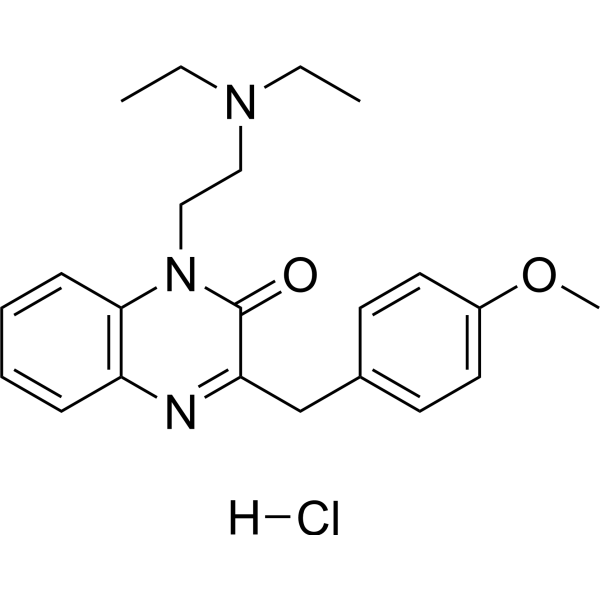
YM-298198 hydrochloride is a high-affinity, selective, orally active, and non-competitive antagonist of metabotropic glutamate receptor type 1 (mGluR1). YM-298198 hydrochloride can be used for the research of neurological disorders .
|
-

-
- HY-14612
-
|
|
mGluR
|
Neurological Disease
|
|
CPPHA is potent and selective positive allosteric modulator (PAM) of the mGluR5 and mGluR1 (metabotropic glutamate receptor). CPPHA can potentiate responses of mGluR5 and mGluR1 to activation of these receptors. CPPHA is developed for the research of central nervous system disorders .
|
-

-
- HY-110278
-
|
|
mGluR
|
Neurological Disease
|
|
ADX71743 is a highly selective, noncompetitive and brain-penetrant metabotropic glutamate receptor 7 negative allosteric modulator (mGlu7 NAM). ADX71743 has anxiolytic-like activity .
|
-

-
- HY-108546
-
|
3-Phosphono-L-alanine
|
mGluR
|
Neurological Disease
|
|
L-AP3, metabotropic glutamate receptor (mGluR) antagonist, inhibits D-phosphoserine and L-phosphoserine with IC50s of 368 μM and 2087 μM, respectively .
|
-

-
- HY-115483
-
|
|
mGluR
|
Neurological Disease
|
|
VU0477573 is a brain-penetrant partial negative allosteric modulator of metabotropic glutamate receptor subtype 5 (mGluR5). VU0477573 exhibits neuroprotective and anxiolytic effects. VU0477573 can be used for the research of neurological disease, such as Parkinson disease .
|
-

-
- HY-W141876R
-
|
|
Bacterial
|
Others
|
|
DL-2-Aminopimelic Acid is a weak agonist of glutamate receptors and also reduces the sensitivity of leech glutamate receptors to glutamate .
|
-

-
- HY-103235
-
|
|
iGluR
|
Neurological Disease
|
|
NPEC- caged-(S)-AMPA, a caged neurotransmitter analog, is a NPEC photoprotecting group caged the (S)-AMPA (HY-100815A) to make caged ligands specific for glutamate receptor sub-types. NPEC- caged-(S)-AMPA selectively activates AMPA receptor .
|
-

-
- HY-110152
-
|
|
mGluR
|
Neurological Disease
|
|
LSN2463359 is positive allosteric modulator of metabotropic glutamate 5 (mGlu5). LSN2463359 attenuates aspects of the behavioral response to administration of the competitive NMDA receptor antagonist. LSN2463359 selectively attenuates reversal learning deficits observed in the neurodevelopmental MAM E17 model . LSN2463359 is a click chemistry reagent, it contains an Alkyne group and can undergo copper-catalyzed azide-alkyne cycloaddition (CuAAc) with molecules containing Azide groups.
|
-

-
- HY-107481
-
|
NS 105
|
mGluR
|
Neurological Disease
|
|
Fasoracetam (NS 105) is the activator of metabotropic glutamate receptor (mGluR). Fasoracetam (NS 105) has the potential for the research of attention-deficit hyperactivity disorder (ADHD) and Alzheimer's disease (AD) .
|
-

-
- HY-103570
-
|
|
mGluR
|
Neurological Disease
|
|
MCPG is a carboxylic phenyl glycine. MCPG can block metabotropic glutamate receptor (mGluR)(HY-15129) and has antagonistic activity of mGluR subtype. MCPG can be used to study the induction and maintenance of long-term potentiation (LTP) .
|
-

-
- HY-12598
-
|
|
mGluR
|
Neurological Disease
|
|
(S)-3,5-DHPG is a weak, but selective group I metabotropic glutamate receptors (mGluRs) agonist with Ki values of 0.9 μM and 3.9 μM for mGluR1a and mGluR5a, respectively . (S)-3,5-DHPG exhibits anxiolytic activity in rats subjected to hypoxia .
|
-

-
- HY-113981
-
|
|
mGluR
|
Neurological Disease
|
|
LY459477 is a potent, selective and orally active metabotropic glutamate 2/3 receptor (mGluR2/3) agonist. LY459477 can effectively suppress Phencyclidine-evoked locomotor activity at doses that do not impair neuromuscular coordination. LY459477 can be used for the research of neurological disease .
|
-

-
- HY-100371
-
|
alpha-MCPG
|
mGluR
|
Neurological Disease
|
|
(RS)-MCPG (alpha-MCPG) is a competitive and selective group I/group II metabotropic glutamate receptor (mGluR) antagonist. (RS)-MCPG blocks theta-burst stimulation (TBS)-induced shifts in both juvenile and neonatal rat hippocampal neurons .
|
-

-
- HY-100840
-
|
(S)-4-Carboxy-3-hydroxyphenylglycine
|
mGluR
|
Neurological Disease
|
|
(S)-4C3HPG ((S)-4-Carboxy-3-hydroxyphenylglycine) is an antagonist of metabotropic glutamate receptor 1a (mGluR 1a) and an agonist of GluR2. (S)-4C3HPG has the anticonvulsant activity and protects against audiogenic seizures in DBA/2 mice .
|
-

-
- HY-100371R
-
|
alpha-MCPG (Standard)
|
Reference Standards
mGluR
|
Neurological Disease
|
|
(RS)-MCPG (Standard) is the analytical standard of (RS)-MCPG. This product is intended for research and analytical applications. (RS)-MCPG (alpha-MCPG) is a competitive and selective group I/group II metabotropic glutamate receptor (mGluR) antagonist. (RS)-MCPG blocks theta-burst stimulation (TBS)-induced shifts in both juvenile and neonatal rat hippocampal neurons .
|
-

-
- HY-11041
-
|
|
mGluR
|
Neurological Disease
|
|
LSP1-2111 is a phosphinic glutamate derivative that agonists metabotropic glutamate (mGlu) receptor .
|
-

-
- HY-100920
-
-

-
- HY-120243
-
|
|
iGluR
|
Neurological Disease
|
|
L-Ibotenic acid is a psychoactive compound found in Amanita muscaria and related mushroom species. L-Ibotenic acid is a conformationally restricted analog of the neurotransmitter glutamate, which may be activated by different conformations of L-glutamate and is a non-selective glutamate receptor agonist .
|
-

-
- HY-17551
-
-

-
- HY-107602
-
-

-
- HY-16974
-
|
|
GABA Receptor
Chloride Channel
Parasite
|
Infection
|
|
Afoxolaner is an orally active isoxazoline insecticide/acaricide against Ixodes scapularis in dogs. Afoxolaner acts on the insect γ-aminobutyric acid receptor (GABA) and glutamate receptors, inhibiting GABA & glutamate-regulated uptake of chloride ions, resulting in excess neuronal stimulation and death of the arthropod .
|
-

-
- HY-123557
-
|
|
iGluR
|
Others
|
Dasolampanel etibutil is an ion-type glutamate receptor 5 (iGluR5) antagonist .
|
-

-
- HY-W014666
-
-

-
- HY-103230
-
-

-
- HY-103573
-
|
|
mGluR
|
Neurological Disease
|
|
VU 0360223 is a potent metabotropic glutamate receptors (mGluR) negative allosteric modulator with an IC50 of 61 nM .
|
-

-
- HY-101311
-
|
AIDA
|
mGluR
|
Inflammation/Immunology
Cancer
|
|
UPF-523 (AIDA), a rigid (carboxyphenyl) glycine derivative, is a relatively potent and selective antagonist of group I metabotropic glutamate receptors (mGlu1a) with an IC50 of 214 μM. But UPF-523 has no effect on group II (mGlu2), group III (mGlu4) receptors or ionotropic glutamate receptors. UPF-523 has the potential for the research of the acute arthritis .
|
-

-
- HY-18162
-
|
|
mGluR
|
Neurological Disease
|
|
JNJ-42153605 is a positive allosteric modulator of the metabotropic glutamate 2 (mGlu2) receptor with an EC50 of 17 nM.
|
-

-
- HY-103561
-
|
|
mGluR
|
Neurological Disease
|
|
DCB (3,3′-dichlorobenzaldazine) is an neutral allosteric modulator of themetabotropic glutamate receptor metabotropic glutamate receptor subtype 5 (mGluR5) . DCB blocks the positive allosteric regulation of mGluRs (mGluR5) with the help of 3,3′-difluorobenzaldazine (DFB). DCB shows the negative modulatory effect of 3,3′-dimethoxybenzaldazine (DMeOB) .
|
-

-
- HY-B0649S1
-
-

-
- HY-162232A
-
|
|
mGluR
|
Neurological Disease
|
|
mGluR2 agonist 1 hydrochloride is a potent selective agonist for metabotropic glutamate receptors mGluR 2 with EC50 of 82 nM .
|
-

-
- HY-131286A
-
|
LY-544344 hydrochloride
|
mGluR
|
Neurological Disease
|
|
Talaglumetad hydrochloride is a precursor of thetype II metabotropic glutamate receptor (mGluR2/3) agonist Eglumegad for the research of anxiety.
|
-

-
- HY-119941
-
|
|
mGluR
|
Neurological Disease
|
|
VU0652835 is a metabotropic glutamate receptor subtype 5 (mGlu5) negative allosteric modulator with an IC50 of 81 nM .
|
-

-
- HY-123602
-
|
|
iGluR
|
Neurological Disease
|
|
CGP 55802A is a novel photoaffinity ligand for in situ labeling of NMDA receptors with high selectivity for the glutamate recognition site .
|
-

-
- HY-16974R
-
|
|
Reference Standards
GABA Receptor
Chloride Channel
Parasite
|
Infection
|
|
Afoxolaner (Standard) is the analytical standard of Afoxolaner. This product is intended for research and analytical applications. Afoxolaner is an orally active isoxazoline insecticide/acaricide against Ixodes scapularis in dogs. Afoxolaner acts on the insect γ-aminobutyric acid receptor (GABA) and glutamate receptors, inhibiting GABA & glutamate-regulated uptake of chloride ions, resulting in excess neuronal stimulation and death of the arthropod .
|
-

-
- HY-14608
-
|
|
Endogenous Metabolite
iGluR
Ferroptosis
Apoptosis
|
Neurological Disease
|
|
L-Glutamic acid is an excitatory amino acid neurotransmitter that acts as an agonist for all subtypes of glutamate receptors (metabolic rhodophylline, NMDA, and AMPA). L-Glutamic acid has an agonist effect on the release of DA from dopaminergic nerve endings. L-Glutamic acid can be used in the study of neurological diseases. L-Glutamic acid acts at ionotropic and metabotropic glutamate receptors .
|
-

-
- HY-122808
-
|
|
mGluR
NF-κB
AP-1
|
Metabolic Disease
|
|
(-)-Camphoric acid is the less active enantiomer of Camphoric acid. Camphoric acid induces glutamate receptor expression. Camphoric acid also significantly induces the activation of NF-κB and AP-1. Camphoric acid significantly stimulates the differentiation of mouse osteoblastic MC3T3-E1 subclone 4 cells. Camphoric acid has weak regulatory function towards glutamate receptors. Camphoric acid can induce mRNA expression of glutamate signaling molecules and activate transcription factors, thereby stimulating osteoblast differentiation .
|
-

-
- HY-19623
-
|
|
mGluR
|
Neurological Disease
|
|
VU0092273 is a potent mGlu5 positive allosteric modulator (PAM) that also binds to the MPEP site, with an EC50 of 0.27 μM .
|
-

-
- HY-N2309
-
Kainic acid
Maximum Cited Publications
31 Publications Verification
|
EAAT
|
Neurological Disease
|
|
Kainic acid is a potent excitotoxic agent. Kainic acid hydrate also is an agonist for a subtype of ionotropic glutamate receptor. Kainic acid induces seizures .
|
-

-
- HY-N2309A
-
|
|
mGluR
|
Neurological Disease
|
|
Kainic acid hydrate is a potent excitotoxic agent. Kainic acid hydrate also is an agonist for a subtype of ionotropic glutamate receptor. Kainic acid hydrate induces seizures .
|
-

-
- HY-101227
-
|
|
EAAT
|
Metabolic Disease
|
|
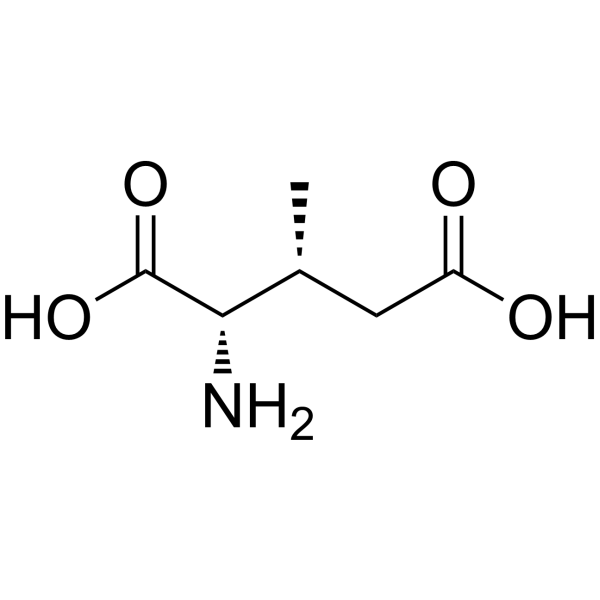
(±)-threo-3-Methylglutamic acid is a potent EAAT2/4 inhibitor. (±)-threo-3-Methylglutamic acid also is an ionotropic glutamate receptor agonist. (±)-threo-3-Methylglutamic acid inhibits glutamate uptake by rod outer segments .
|
-
-
- HY-107667
-
|
|
nAChR
|
Neurological Disease
|
|
TC-2559 fumarate is a potent and selective neuronal acetylcholine receptor agonist. TC-2559 fumarate is potent and efficacious in the activation of CNS receptors and reduces glutamate-induced neurotoxicity in vitro .
|
-

-
- HY-W017500R
-
|
|
iGluR
|
Neurological Disease
|
|
N-Methyl-DL-aspartic acid is a glutamate analogue and a NMDA receptor agonist and can be used for neurological diseases research .
|
-

-
- HY-103555
-
-

-
- HY-135441
-
|
|
mGluR
|
Inflammation/Immunology
|
|
PF-06422913 is an orally active, potent and selective metabotropic glutamate receptor 5 (mGluR5) negative allosteric modulator .
|
-

-
- HY-W017500
-
|
|
iGluR
|
Neurological Disease
|
|
N-Methyl-DL-aspartic acid is a glutamate analogue and a NMDA receptor agonist and can be used for neurological diseases research .
|
-

-
- HY-14608A
-
|
|
iGluR
Apoptosis
Ferroptosis
Endogenous Metabolite
|
Neurological Disease
|
|
L-Glutamic acid monosodium salt is an excitatory amino acid neurotransmitter that acts as an agonist for all subtypes of glutamate receptors (metabolic rhodophylline, NMDA, and AMPA). L-Glutamic acid monosodium salt has an agonist effect on the release of DA from dopaminergic nerve endings. L-Glutamic acid monosodium salt can be used in the study of neurological diseases. L-Glutamic acid monosodium salt acts at ionotropic and metabotropic glutamate receptors .
|
-

-
- HY-B0649S
-
|
|
GABA Receptor
Endogenous Metabolite
|
Neurological Disease
|
|
Propofol-d17 is the deuterium labeled Propofol. Propofol potently and directly activates GABAA receptor and inhibits glutamate receptor mediated excitatory synaptic transmission. Propofol has antinociceptive properties .
|
-

- HY-15072
-
|
YM 872
|
iGluR
|
Metabolic Disease
|
|
Zonampanel (YM 872) is a selective antagonist of the glutamate receptor subtype, α-amino-3-hydroxy-5-methylisoxazole-4-propionic acid (AMPA) receptor.
|
-

- HY-18654
-
|
|
mGluR
|
Neurological Disease
|
|
ADX88178 is a potent metabotropic glutamate receptor 4 positive allosteric modulator (mGluR4 PAM) with an EC50 of 4 nM for human mGluR4.
|
-

- HY-119078
-
|
|
mGluR
|
Neurological Disease
|
|
VU0080241 is a positive allosteric modulator (PAM) of the metabotropic glutamate receptor subtype 4 (mGluR4), with an EC50 of 4.6 μM .
|
-

- HY-16951
-
|
|
mGluR
|
Neurological Disease
|
|
VU-1545 is a metabotropic glutamate receptor 5 positive allosteric modulator (mGluR5 PAM) with a Ki of 156 nM and an EC50 of 9.6 nM .
|
-

- HY-112814
-
|
|
mGluR
|
Neurological Disease
|
|
VU6001376 is a potent and selective positive allosteric modulator of the metabotropic glutamate receptor 4 (mGlu4 PAM) with an EC50 of 50.1 nM .
|
-

- HY-101375
-
|
|
mGluR
|
Neurological Disease
|
|
(RS)-APICA is a selective group II metabotropic glutamate receptor (mGluR II) antagonist. (RS)-APICA shows potential neuroprotective effect .
|
-

- HY-101356
-
|
|
mGluR
|
Neurological Disease
|
|
CPCCOEt is a low affinity, selective, non-competitive and reversible antagonist of metabotropic glutamate receptor 1b (mGluR1b) .
|
-

- HY-19465
-
|
|
iGluR
|
Neurological Disease
|
|
Dasolampanel is a kainate receptor antagonist that helps regulate the excitability of the nervous system by blocking kainate receptors and reducing glutamate-mediated excitatory transmission. Dasolampanel can be used in the study of diseases such as overexcitement and sleep disorders .
|
-

- HY-114403
-
|
|
mGluR
|
Neurological Disease
|
|
VU6012962 is an orally bioavailable and CNS-penetrant metabotropic glutamate receptor 7 negative allosteric modulator (mGlu7 NAM) with an IC50 of 347 nM .
|
-

- HY-101226
-
|
|
mGluR
|
Neurological Disease
|
|
MSOP is a selective group III metabotropic glutamate receptor antagonist with apparent KD of 51 μM for the L-AP4-sensitive presynaptic mGluR.
|
-

- HY-101809A
-
|
|
iGluR
|
Cardiovascular Disease
|
|
CNS-5161 is a novel NMDA ion-channel antagonist that interacts with the NMDA receptor/ion channel site to produce a noncompetitive blockade of the actions of glutamate.
|
-

- HY-101809
-
|
CNS 5161A
|
iGluR
|
Cardiovascular Disease
|
|
CNS-5161 hydrochloride is a novel NMDA ion-channel antagonist that interacts with the NMDA receptor/ion channel site to produce a noncompetitive blockade of the actions of glutamate.
|
-

- HY-W714513
-
|
|
mGluR
|
Neurological Disease
|
|
VU0469650 hydrochloride is a brain-penetrant negative allosteric modulator of metabotropic glutamate receptor 1 (mGluR1). VU0469650 hydrochloride inhibits glutamate-induced calcium flux in cells expressing human mGluR1 (IC50= 99 nM). VU0469650 hydrochloride is promising for research of central nervous system diseases such as anxiety, addiction, and epilepsy .
|
-

- HY-15067
-
|
FG 9041
|
iGluR
|
Cancer
|
|
DNQX (FG 9041), a quinoxaline derivative, is a selective, potent competitive non-NMDA glutamate receptor antagonist (IC50s = 0.5, 2 and 40 μM for AMPA, kainate and NMDA receptors, respectively) .
|
-

- HY-P1056
-
|
|
iGluR
|
Neurological Disease
|
|
pep2-SVKI is a selective peptide inhibitor. pep2-SVKI inhibits the binding of AMPA-type glutamate receptor (GluA2) (C-terminal PDZ site) to glutamate receptor interacting protein (GRIP), AMPA receptor binding protein (ABP), and C-kinase interacting protein (PICK1). pep2-SVKI increases the amplitude of AMPA receptor-mediated currents and blocks long-term depression (LTD). pep2-SVKI can be used to study neurological diseases .
|
-

- HY-131292
-
|
|
mGluR
|
Neurological Disease
|
|
Ro-65-3479 is a selective metabotropic glutamate receptor (mGlu2/3) antagonist. Ro-65-3479 blocks glutamate-induced signaling and modulates calcium channel activity. Ro-65-3479 is promising for research of disorders involving glutamatergic dysregulation, such as anxiety, schizophrenia, and neurodegenerative diseases .
|
-

- HY-123667
-
|
|
mGluR
|
Neurological Disease
|
|
NCFP is a metabotropic glutamate receptor 5 (mGlu5) positive allosteric modulator (PAM). NCFP can be used in the study of central nervous system diseases .
|
-

- HY-103491
-
|
|
iGluR
|
Neurological Disease
|
|
PF-06462894 is an alkyne-lacking metabotropic glutamate receptor 5 (mGluR5) negative allosteric modulator profiled in both rat and nonhuman primates .
|
-

- HY-100714A
-
|
D-APV; D-2-Amino-5-phosphonovaleric acid
|
iGluR
|
Neurological Disease
|
|
D-AP5 (D-APV) is a selective and competitive NMDA receptor antagonist with a Kd of 1.4 μM. D-AP5 (D-APV) inhibits the glutamate binding site of NMDA receptors .
|
-

- HY-103233
-
|
FG 9041 disodium salt
|
iGluR
|
Cancer
|
|
DNQX (FG 9041) disodium salt, a quinoxaline derivative, is a selective, potent competitive non-NMDA glutamate receptor antagonist (IC50s = 0.5, 2 and 40 μM for AMPA, kainate and NMDA receptors, respectively) .
|
-

- HY-120524
-
|
|
iGluR
|
Neurological Disease
|
|
CGP 31358 is an anticonvulsant agent that binds to a site on the NMDA receptor complex that is coupled to both the transmitter recognition site and to the channel domain. CGP 31358 inhibits the binding of L-Glutamate to the NMDA receptor complex with an IC50 of 53 μM .
|
-

- HY-131287
-
|
|
mGluR
|
Neurological Disease
|
|
MGS0028 is a selective metabotropic glutamate 2/3 (mGlu2/3) receptor agonist. MGS0028 can be used for psychiatric disorders research .
|
-

- HY-116855
-
|
|
mGluR
|
Neurological Disease
|
|
TASP0433864 is a selective positive allosteric modulator (PAM) of metabotropic glutamate 2 (mGlu2) receptor with EC50 values of 199 nM and 206 nM against human and rat mGlu2 receptors, respectively. TASP0433864 has antipsychotic activity .
|
-

- HY-100842A
-
|
|
GABA Receptor
|
Neurological Disease
|
|
(S)-3C4HPG is a metabotropic glutamate receptor antagonist, demonstrating significant potential in modulating neuronal excitability and influencing synaptic transmission.
|
-

- HY-W014666R
-
-

- HY-W014666S
-
-

- HY-B0649R
-
|
2,6-Diisopropylphenol (Standard)
|
Reference Standards
GABA Receptor
Endogenous Metabolite
|
Neurological Disease
Cancer
|
|
Propofol (Standard) is the analytical standard of Propofol. This product is intended for research and analytical applications. Propofol potently and directly activates GABAA receptor and inhibits glutamate receptor mediated excitatory synaptic transmission. Propofol has antinociceptive properties and is used for sedation and hypnotic .
|
-

- HY-100815B
-
|
(±)-AMPA
|
iGluR
|
Neurological Disease
|
|
(RS)-AMPA ((±)-AMPA) is a glutamate analogue and a potent and selective excitatory neurotransmitter L-glutamic acid agonist. (RS)-AMPA does not interfere with binding sites for kainic acid or NMDA receptors .
|
-

- HY-100815D
-
|
(±)-AMPA monohydrate
|
iGluR
|
Neurological Disease
|
|
(RS)-AMPA ((±)-AMPA) monohydrate is a glutamate analogue and a potent and selective excitatory neurotransmitter L-glutamic acid agonist. (RS)-AMPA monohydrate does not interfere with binding sites for kainic acid or NMDA receptors .
|
-

- HY-170409
-
|
|
Trk Receptor
Apoptosis
|
Neurological Disease
Inflammation/Immunology
|
|
BNN27 is the agonist for TrkA receptor and p75NTR receptor, that exhibits neurotrophic and anti-apoptotic effects. BNN27 increases the levels of glutamate, GABA, and glutamine in the rat hippocampus and prefrontal cortex, improves glutamate turnover. BNN27 exhibits neuroprotective efficacy in mouse amyotrophic lateral sclerosis (ALS) model, exhibits anti-inflammatory efficacy in experimental autoimmune encephalomyelitis (EAE) model, exhibits retinal protective efficacy in rat diabete models. BNN27 is blood-brain barrier penetrable .
|
-

- HY-102091
-
|
(2R,4R)-4-Aminopyrrolidine-2,4-dicarboxylic acid
|
mGluR
|
Neurological Disease
|
|
(2R,4R)-APDC is a group II metabotropic glutamate receptor (mGluR) agonist. (2R,4R)-APDC affects cell proliferation by inhibiting glutamate release, enhancing motor responses produced by D1 receptor activation, or reducing brain-derived neurotrophic factor (BDNF) levels. (2R,4R)-APDC can be used in the study of epilepsy and other neurological diseases .
|
-

- HY-130630
-
|
|
mGluR
|
Neurological Disease
|
|
mGluR2 modulator 1 (compound 95) is a potent and BBB-penetrated mGluR2 (metabotropic glutamate receptor-2) positive allosteric modulator, with an EC50 of 0.03 μM. mGluR2 modulator 1 can be used for psychosis research .
|
-

- HY-100815E
-
|
(±)-AMPA hydrochloride
|
iGluR
|
Neurological Disease
|
|
(RS)-AMPA ((±)-AMPA) hydrochloride is a glutamate analogue and a potent and selective excitatory neurotransmitter L-glutamic acid agonist. (RS)-AMPA hydrobromide does not interfere with binding sites for kainic acid or NMDA receptors .
|
-

- HY-108703
-
|
PXT002331
|
mGluR
|
Neurological Disease
|
|
Foliglurax (PXT002331) is a highly selective and potent, brain-penetrant metabotropic glutamate receptor 4 positive allosteric modulator (mGluR4 PAM) with an EC50 of 79 nM . Antiparkinsonian effect .
|
-

- HY-100815C
-
|
(±)-AMPA hydrobromide
|
iGluR
|
Neurological Disease
|
|
(RS)-AMPA ((±)-AMPA) hydrobromide is a glutamate analogue and a potent and selective excitatory neurotransmitter L-glutamic acid agonist. (RS)-AMPA hydrobromide does not interfere with binding sites for kainic acid or NMDA receptors .
|
-

- HY-169345
-
|
|
mGluR
|
Neurological Disease
|
|
VU6043653 is a potent, selective and cross the blood-brain barrier metabotropic glutamate receptor subtype 5 (mGlu5) negative allosteric modulator with an IC50 value of 325 nM for h mGlu5 .
|
-

- HY-103549
-
|
|
mGluR
|
Neurological Disease
|
|
Z-Cyclopentyl-AP4 is a kainate-type glutamate receptor agonist (orthosteric agonist). Z-Cyclopentyl-AP4 is more selective for mGlu4 than mGlu8 .
|
-

- HY-N8115
-
|
|
Others
|
Neurological Disease
|
|
S-(4-Hydroxybenzyl)glutathione is a glutathione derivative. S-(4-Hydroxybenzyl)glutathione inhibits the in vitro binding of kainic acid to brain glutamate receptors, with an IC50 of 2 μM .
|
-

- HY-100806
-
-

- HY-108703A
-
|
PXT002331 (monohydrochloride)
|
mGluR
|
Neurological Disease
|
|
Foliglurax monohydrochloride (PXT002331 monohydrochloride) is a highly selective and potent, brain-penetrant metabotropic glutamate receptor 4 positive allosteric modulator (mGluR4 PAM) , with an EC50 of 79 nM . Antiparkinsonian effect .
|
-

- HY-107516
-
|
(S)-3,4-Dicarboxyphenylglycine
|
mGluR
|
Neurological Disease
|
|
(S)-3,4-DCPG is a selective agonist of metabotropic glutamate receptor 8a (mGluR8a) with an EC50 of 31 nM in AV12-664 cells expressing human mGluR8 .
|
-

- HY-120567
-
|
ML182
|
mGluR
|
Neurological Disease
|
|
VU0400195 (ML182) is a oral active and allosteric modulator of the metabotropic glutamate receptor 4 (mGlu4) with the EC50 of 291 nM. VU0400195 can be used for study of antiparkinsonian animal model .
|
-

- HY-111332
-
|
|
mGluR
|
Others
|
|
(E)-PHCCC is a positive allosteric modulator (PAM) for mGluR4, that enhances the activity of the receptor's endogenous ligand (glutamate), and exhibits activity in the calcium mobilization assay in CHO cells with an EC50 of 3.2 μM .
|
-

- HY-107512
-
-

- HY-115782
-
|
|
mGluR
|
Neurological Disease
|
|
VU6001192 is a potent and selective mGlu2 (metabotropic glutamate receptor 2) negative allosteric modulator. VU6001192 has potent inhibitory activity against the mGlu2 receptor (IC50 = 207 nM), but no activity against the mGlu3 receptor and the other 6 mGlu subtypes. VU6001192 can be used for the research of neurological disease, such as depression .
|
-

- HY-19168
-
|
EAA-090
|
iGluR
|
Neurological Disease
|
|
Perzinfotel (EAA-090) is a potent, selective, and competitive NMDA receptor antagonist with neuroprotective effects. Perzinfotel (EAA-090) shows high affinity (IC50=30 nM) for the glutamate site .
|
-

- HY-Y0966S10
-
|
|
Isotope-Labeled Compounds
Endogenous Metabolite
iGluR
|
Cancer
|
|
Glycine-d3 is the deuterium labeled Glycine. Glycine is an inhibitory neurotransmitter in the CNS and also acts as a co-agonist along with glutamate, facilitating an excitatory potential at the glutaminergic N-methyl-D-aspartic acid (NMDA) receptors.
|
-

- HY-Y0966S8
-
|
|
Endogenous Metabolite
iGluR
|
Neurological Disease
|
|
Glycine-d5 is the deuterium labeled Glycine. Glycine is an inhibitory neurotransmitter in the CNS and also acts as a co-agonist along with glutamate, facilitating an excitatory potential at the glutaminergic N-methyl-D-aspartic acid (NMDA) receptors.
|
-

- HY-Y0966S1
-
-

- HY-108710
-
|
|
mGluR
|
Neurological Disease
|
|
VU0650786 is a potent and selective CNS penetrant negative allosteric modulator of metabotropic glutamate receptor subtype 3 (mGlu3 NAM), with an IC50 of 392 nM. VU0650786 has antidepressant and anxiolytic activity in rodents .
|
-

- HY-116723
-
|
|
mGluR
|
Neurological Disease
|
|
CFMMC is a selective allosteric metabotropic glutamate receptor 1 (mGluR1) antagonist. CFMMC inhibits L-glutamate-induced intracellular Ca 2+ mobilization ([Ca 2+]i) in Chinese hamster ovary cells expressing recombinant human mGluR1a with an IC50 value of 50 nM. CFMMC is promising for research of various central nervous system disorders, such as schizophrenia, epilepsy, anxiety, pain, cognitive dysfunction and drug abuse .
|
-

- HY-B1102
-
|
Direct Blue 53; T-1824; C.I. 23860
|
EAAT
iGluR
|
Cardiovascular Disease
Neurological Disease
|
|
Evans Blue (Direct Blue 53) is a potent inhibitor of L-glutamate uptake via the membrane bound excitatory amino acid transporter (EAAT). Evans Blue is a L-glutamate and kainate receptor-mediated currents inhibitor. Evans Blue has a strong affinity towards serum albumin, making it a high molecular weight protein tracer. Evans Blue is also used to study BBB (blood-brain barrier) permeability .
|
-

- HY-100617A
-
|
(RS)-4-Carboxyphenylglycine
|
mGluR
|
Others
|
|
(RS)-4CPG ((RS)-4-Carboxyphenylglycine) is a type I metabotropic glutamate receptor antagonist with activity in blocking LTP induction. In mice lacking IP3R1, (RS)-4CPG (500μM) nearly blocked long-term potentiation (LTP) induced by type I metabotropic glutamate receptor activation, with LTP of 117.6±1.7% (n = 8) in IP3R1(-/-) mice and 116.9±1.8% (n = 5) in IP3R1(+/+) mice.
|
-

- HY-15067R
-
|
|
iGluR
|
Cancer
|
|
DNQX (Standard) is the analytical standard of DNQX. This product is intended for research and analytical applications. DNQX (FG 9041), a quinoxaline derivative, is a selective, potent competitive non-NMDA glutamate receptor antagonist (IC50s = 0.5, 2 and 40 μM for AMPA, kainate and NMDA receptors, respectively) .
|
-

- HY-103562
-
|
3,3'-Dimethoxybenzaldazine
|
mGluR
|
Neurological Disease
|
|
DMeOB (3,3'-Dimethoxybenzaldazine) is a mGluR5 receptor negative allosteric modulator with an IC50 of 3 μM. DMeOB displays reversible non-competitive inhibition of mGlu5-mediated responses .
|
-

- HY-133555
-
|
|
mGluR
|
Neurological Disease
|
|
mGluR2 antagonist 1 is a highly potent, orally bioavailable and selective class of mGluR2 negative allosteric modulator (IC50 of 9 nM) with excellent brain permeability .
|
-

- HY-118022
-
|
|
mGluR
|
Neurological Disease
|
|
VU0361747 is a potent and selective positive allosteric modulator of metabotropic glutamate receptor 4 (mGluR4 PAM). VU0361737 has neuroprotective effect. VU0361737 significantly reverses Amphetamine-induced hyperlocomotion in vivo .
|
-

- HY-131289
-
|
|
mGluR
|
Neurological Disease
|
|
LY3020371 is a potent and selective antagonist of glutamate (mGlu) 2/3 receptor, with Kis of 5.26 and 2.50 nM for hmGluR2 and hmGluR3, respectively. LY3020371 can be used for the research of depression .
|
-

- HY-106467B
-
|
|
iGluR
|
Neurological Disease
|
|
Caroverine hydrochloride is a potent, competitive and reversible antagonist of NMDA and AMPA glutamate receptor. Caroverine hydrochloride is also an antioxidant and calcium-blocking agent that exhibits vasorelaxant action. Caroverine hydrochloride can be used for the research of inner ear tinnitus .
|
-

- HY-106467
-
|
|
iGluR
|
Neurological Disease
|
|
Caroverine is a potent, competitive and reversible antagonist of NMDA and AMPA glutamate receptor. Caroverine is also an antioxidant and calcium-blocking agent that exhibits vasorelaxant action. Caroverine can be used for the research of inner ear tinnitus .
|
-

- HY-12629
-
|
PF-06297470
|
mGluR
|
Others
|
|
PF470 (PF-06297470) is a negative allosteric modulator of metabotropic glutamate receptor 5 (mGluR5) with significant efficacy in Parkinson's disease models, but clinical development was halted due to potential issues found in toxicology studies.
|
-

- HY-100547
-
|
|
iGluR
|
Neurological Disease
|
|
IEM-1754, a dicationic adamantane derivative, is a potent blocker of open channels of native ionotropic glutamate receptors including quisqualate-sensitive receptors in insect muscles, NMDAR in cultured rat cortical neurons, and AMPAR in freshly isolated hippocampal cells. IEM-1754 shows anticonvulsant potency in vivo .
|
-

- HY-W707528
-
|
2,6-Diisopropylphenol-d14
|
Isotope-Labeled Compounds
GABA Receptor
Endogenous Metabolite
|
Neurological Disease
|
|
Propofol-d14 (2,6-Diisopropylphenol-d14) is the deuterium labeled Propofol (HY-B0649). Propofol potently and directly activates GABAA receptor and inhibits glutamate receptor mediated excitatory synaptic transmission. Propofol has antinociceptive properties and is used for sedation and hypnotic .
|
-

- HY-70059
-
|
|
mGluR
|
Neurological Disease
|
|
LY341495 is a metabotropic glutamate receptor (mGluR) antagonist with IC50s of 21 nM, 14 nM, 7.8 μM, 8.2 μM, 170 nM, 990 nM, 22 μM for mGlu2, mGlu3, mGlu1a, mGlu5a, mGlu8, mGlu7, and mGlu4 receptors, respectively .
|
-

- HY-120699
-
|
|
mGluR
|
Neurological Disease
|
|
RO5488608 is a negative allosteric metabotropic modulator of glutamate receptor 2/3. RO5488608 inhibits LY354740 (HY-18941)-induced intracellular Ca 2+ release and can be used for study of antidepressant .
|
-

- HY-P1327
-
|
|
Neuropeptide Y Receptor
|
Neurological Disease
|
|
BVD 10, a neuropeptide Y (NPY) analogue peptide, is a highly selective NPY Y1 receptor antagonist. BVD10 significantly prevents NPY-induced glutamate increase. BVD 10 can be used for seizure research .
|
-

- HY-131336
-
|
|
mGluR
|
Neurological Disease
|
|
MGS0274, an ester-based lipophilic proagent of a metabotropic glutamate (mGlu)2 and mGlu3 receptor agonist MGS0008, shows improved oral bioavailability. MGS0274 has the potential for the research of schizophrenia .
|
-

- HY-111256
-
|
|
mGluR
|
Neurological Disease
|
|
A-850002 is a metabotropic glutamate receptor (mGluR) antagonist (IC50=27 nM) that significantly attenuates spontaneous pain behavior after skin incision in rats. A-850002 can be used for analgesia research .
|
-

- HY-Y0966S3
-
-

- HY-Y0966S
-
|
|
Endogenous Metabolite
iGluR
|
Neurological Disease
|
|
Glycine- 15N is the 15N-labeled Glycine. Glycine is an inhibitory neurotransmitter in the CNS and also acts as a co-agonist along with glutamate, facilitating an excitatory potential at the glutaminergic N-methyl-D-aspartic acid (NMDA) receptors .
|
-

- HY-W011417
-
|
|
Endogenous Metabolite
mGluR
Apoptosis
|
Others
|
|
Cinnabarinic acid is a specific orthosteric agonist of mGlu4 by interacting with residues of the glutamate binding pocket of mGlu4, has no activity at other mGlu receptors. Cinnabarinic acid is an endogenous metabolite of the kynurenine pathway of tryptophan. Cinnabarinic acid induces cell apoptosis .
|
-

- HY-100815
-
|
|
iGluR
|
Neurological Disease
|
|
(R)-AMPA is an inactive AMPA receptor ligand that inhibits the release of excitatory amino acids from neurons. (R)-AMPA is inactive in experiments that enhance the release of [3H]D-aspartate induced by electrical stimulation. (R)-AMPA is inhibited by competitive and noncompetitive AMPA receptor selective antagonists in response to AMPA and glutamate .
|
-

- HY-Y0966S4
-
|
|
Endogenous Metabolite
iGluR
|
Neurological Disease
|
|
Glycine-1- 13C is the 13C-labeled Glycine. Glycine is an inhibitory neurotransmitter in the CNS and also acts as a co-agonist along with glutamate, facilitating an excitatory potential at the glutaminergic N-methyl-D-aspartic acid (NMDA) receptors.
|
-

- HY-Y0966S2
-
|
|
Endogenous Metabolite
iGluR
|
Neurological Disease
|
|
Glycine-2- 13C is the 13C-labeled Glycine. Glycine is an inhibitory neurotransmitter in the CNS and also acts as a co-agonist along with glutamate, facilitating an excitatory potential at the glutaminergic N-methyl-D-aspartic acid (NMDA) receptors.
|
-

- HY-131293
-
|
|
mGluR
|
Neurological Disease
|
|
MGS0008 is an orally active and brain-penetrant metabotropic glutamate receptor 2/3 (mGlu2/3) agonist. MGS0008 is promising for research of central nervous system disorders, including schizophrenia, anxiety, and neurodegenerative diseases .
|
-

- HY-100372
-
|
(RS)-ECPG
|
mGluR
|
Neurological Disease
|
|
E4CPG ((RS)-ECPG) is a Group I/Group II metabotropic glutamate receptor (mGluR) antagonist. E4CPG can inhibit the paired-pulse ratio of monosynaptic inhibitory postsynaptic currents (IPSC) potentiation .
|
-

- HY-162232
-
|
|
mGluR
|
Neurological Disease
|
|
mGluR2 agonist 1 (Compound 5b) is a potent and selective metabotropic glutamate 2 receptor (mGluR) agonist with an EC50 of 82 nM. mGluR2 agonist 1 can be used for the research of central nervous system (CNS) diseases .
|
-

- HY-100406
-
|
(+)-MCPG
|
mGluR
|
Neurological Disease
|
|
(S)-MCPG ((+)-MCPG) is a potent group I/II metabotropic glutamate receptor (mGluRs) antagonist and the active isomer of (RS)-MCPG (HY-100371) . (S)-MCPG can be used for the study of the function of mGluRs in spatial learning .
|
-

- HY-102091A
-
|
(2R,4R)-4-Aminopyrrolidine-2,4-dicarboxylic acid hydrate
|
mGluR
|
Neurological Disease
|
|
(2R,4R)-APDC hydrate ((2R,4R)-4-Aminopyrrolidine-2,4-dicarboxylic acid hydrate) is a group II metabotropic glutamate receptor (mGluR) agonist. (2R,4R)-APDC hydrate affects cell proliferation by inhibiting glutamate release, enhancing motor responses produced by D1 receptor activation, or reducing brain-derived neurotrophic factor (BDNF) levels. (2R,4R)-APDC hydrate can be used in the study of epilepsy and other neurological diseases .
|
-

- HY-14418
-
|
ML-128
|
mGluR
|
Neurological Disease
|
|
VU0361737 (ML-128) is a potent, selective and CNS penetrant positive allosteric modulator of metabotropic glutamate receptor 4 (mGluR4 PAM), with EC50s of 240 nM and 110 nM for human and rat mGluR4 receptors, respectively. VU0361737 has neuroprotective effect. VU0361737 is potential for Parkinson's disease research .
|
-

- HY-114076
-
|
|
GABA Receptor
|
Neurological Disease
|
|
CGP55845 is a potent and selective GABAB receptor antagonist with activity that blocks agonist binding. The IC50 value of CGP55845 is 5 nM, indicating that it exhibits significant activity in inhibiting GABA and glutamate release. The apparent Kd of CGP55845 when forming a complex with the GABAB receptor is 30 nM, indicating its high affinity for this receptor. CGP55845 is as potent as 100 μM CGP 35348 in relieving the inhibitory effect of (R)-(-)-baclofen .
|
-

- HY-102094
-
|
|
mGluR
|
Neurological Disease
|
|
(E/Z)-SIB-1893 is a racemic compound of (E)-SIB-1893 and (Z)-SIB-1893 isomers. (E)-SIB-1893 is a selective non-competitive metabotropic glutamate subtype 5 receptor (mGluR5) antagonist .
|
-

- HY-100405
-
|
|
mGluR
|
Neurological Disease
|
|
FTIDC is an orally active, noncompetitive, selective allosteric metabotropic glutamate receptor (mGluR) 1 antagonist with an IC50 of 5.8 nM for human mGluR1a. FTIDC has no species differences in its antagonistic activity on recombinant human, mouse, and rat mGluR1 .
|
-

- HY-103563
-
|
|
mGluR
|
Neurological Disease
|
|
3-MATIDA is a metabolic glutamate 1 (mGlu1) receptor antagonist. 3-MATIDA alleviates neuronal death in cerebral ischemia models. 3-MATIDA can be used in the study of neuronal injury and epileptiform activity after ischemia .
|
-

- HY-Y0966S9
-
-

- HY-176122
-
|
|
mGluR
|
Neurological Disease
|
|
VU6024945 is an orally active negative allosteric modulator of metabotropic glutamate receptor subtype 5 (mGlu5 NAM) with an IC50 value of 110 nM. VU6024945 can be used in the research of anti-anxiety, anti-depression and Parkinson's disease and other neurological diseases .
|
-

- HY-Y0966S6
-
|
|
Endogenous Metabolite
iGluR
|
Neurological Disease
|
|
Glycine- 13C2, 15N is the 13C- and 15N-labeled Glycine. Glycine is an inhibitory neurotransmitter in the CNS and also acts as a co-agonist along with glutamate, facilitating an excitatory potential at the glutaminergic N-methyl-D-aspartic acid (NMDA) receptors.
|
-

- HY-169808
-
|
|
mGluR
|
Neurological Disease
|
|
BOMA (Compound 7) is a potent and selective metabotropic glutamate receptor 5 (mGluR 5) antagonist with an IC50 value of 3 nM and an Ki value of 3 nM. BOMA is promising for research of various pain states, including acute, persistent and chronic pain, inflammatory pain and neuropathic pain .
|
-

- HY-101165
-
|
|
iGluR
GABA Receptor
|
Neurological Disease
|
|
Cyclothiazide is a positive allosteric modulator of ionotropic AMPA-type glutamate receptors. Cyclothiazide inhibits GABAA receptors. Cyclothiazide is frequently used to produce a fast inhibition of AMPA receptor desensitization and a much slower potentiation of the AMPA current. Cyclothiazide can potentiate responses to kainate in hippocampal neurons. Cyclothiazide has effects on glutamatergic neurotransmission. Cyclothiazide also induces epileptiform EEG activity accompanying behavioral seizures .
|
-

- HY-107703
-
|
|
iGluR
|
Neurological Disease
|
|
CGP 39551 is a potent, orally active, competitive N-methyl-D-aspartate (NMDA) receptor antagonist with potent anticonvulsant activity . CGP 39551 shows measurable inhibitory activity at both L-[ 3H]-glutamate (Ki=8.4 μM) .
|
-

- HY-Y0966S7
-
-

- HY-103551A
-
|
|
mGluR
|
Neurological Disease
|
|
LY 541850 is claimed from human ionotropic and metabotropic glutamate (mGlu) receptors expressed in non-neuronal cells. LY541850 is a selective orthosteric mGlu2 agonist and mGlu3 antagonist with IC50 values of 0.161 μM and 0.038 μM, respectively .
|
-

- HY-Y0966S5
-
-

- HY-123820
-
|
|
mGluR
|
Neurological Disease
|
|
LY3020371 hydrochloride is a potent, selective metabotropic glutamate 2/3 receptor (mGlu2/3) antagonist with Ki of 5.3 and 2.5 nM, potently blocks cAMP formation with IC50 of 16.2 nM . LY3020371 hydrochloride exerts an antidepressant-like signature in vivo .
|
-

- HY-129274
-
|
|
mGluR
|
Neurological Disease
|
|
RO4988546 is a negative allosteric modulator (NAM) that targets metabotropic glutamate receptors 2 and 3 (mGlu2, mGlu3). RO4988546 can reduce the binding of [ 3h]-LY354740 at the positive binding site, while affecting the receptor's G protein coupling and intracellular signaling. RO4988546 can be used in the development of antidepressants and cognitive enhancers .
|
-

- HY-N5159
-
|
|
iGluR
|
Neurological Disease
|
|
Ampullosporin A is a peptaibol-type polypeptide that can be isolated from the fungus Sepedonium ampullosporum HKI-0053, exhibiting neuroleptic-like activity. Ampullosporin A can inhibit hyperactivity induced by NMDA receptor antagonist MK-801 (HY-15084B) and ameliorate social behavior abnormalities caused by subchronic drug treatment. Ampullosporin A alters the activity of glutamate receptors without affecting dopamine D1 and D2 receptors .
|
-

- HY-14608S8
-
|
|
Endogenous Metabolite
iGluR
Ferroptosis
Apoptosis
|
Neurological Disease
|
|
L-Glutamic acid-d3 is the deuterium labeled L-Glutamic acid. L-Glutamic acid acts as an excitatory transmitter and an agonist at all subtypes of glutamate receptors (metabotropic, kainate, NMDA, and AMPA). L-Glutamic acid shows a direct activating effect on the release of DA from dopaminergic terminals.
|
-

- HY-14608S
-
|
|
Endogenous Metabolite
iGluR
Ferroptosis
Apoptosis
|
Neurological Disease
|
|
L-Glutamic acid- 13C is the 13C-labeled L-Glutamic acid. L-Glutamic acid acts as an excitatory transmitter and an agonist at all subtypes of glutamate receptors (metabotropic, kainate, NMDA, and AMPA). L-Glutamic acid shows a direct activating effect on the release of DA from dopaminergic terminals.
|
-

- HY-14608S7
-
|
|
Endogenous Metabolite
iGluR
Ferroptosis
Apoptosis
|
Neurological Disease
|
|
L-Glutamic acid-d5 is the deuterium labeled L-Glutamic acid. L-Glutamic acid acts as an excitatory transmitter and an agonist at all subtypes of glutamate receptors (metabotropic, kainate, NMDA, and AMPA). L-Glutamic acid shows a direct activating effect on the release of DA from dopaminergic terminals.
|
-

- HY-100815BR
-
|
(±)-AMPA (Standard)
|
Reference Standards
iGluR
|
Neurological Disease
|
|
(RS)-AMPA (Standard) is the analytical standard of (RS)-AMPA. This product is intended for research and analytical applications. (RS)-AMPA ((±)-AMPA) is a glutamate analogue and a potent and selective excitatory neurotransmitter L-glutamic acid agonist. (RS)-AMPA does not interfere with binding sites for kainic acid or NMDA receptors .
|
-

- HY-169871
-
|
|
iGluR
|
Neurological Disease
|
|
Argiotoxin 636 is a toxin and the non-specific, non-competitive, and potent ionotropic glutamate receptor (iGluR) antagonist. Argiotoxin 636 blocks excitatory synaptic transmission in neurons and has paralysis and muscle relaxation effects. Argiotoxin 636 can be used in the study of nervous system diseases .
|
-

- HY-110175
-
CX614
1 Publications Verification
|
iGluR
|
Neurological Disease
|
|
CX614 is a positive variant modulator of AMPA receptors that enhances excitatory postsynaptic potentials (amplitude and duration) by blocking and slowing the inactivation of responses to glutamate and automatically evokes excitatory postsynaptic currents in neuronal cultures. CX614 can be used in the study of psychiatric disorders such as depression .
|
-

- HY-P1058
-
|
|
iGluR
|
Neurological Disease
|
|
Pep2m is a peptide receptor inhibitor. Pep2m inhibits the interaction between the C-terminus of the AMPA-type glutamate receptor (GluA2) subunit and N-ethylmaleimide-sensitive fusion protein (NSF). Pep2m prevents synaptic long-term depression (LTD). Pep2m can reduce postsynaptic currents in neurons, AMPA-mediated currents in cultured hippocampal neurons, and AMPA receptor surface expression [1] [2] [3] [4] [5].
|
-

- HY-114589
-
|
|
mGluR
|
Others
|
|
VU0240382 is a metabotropic glutamate receptor subtype 5 modulator whose activity differs depending on whether it has allosteric agonist activity. VU0240382 with allosteric agonist activity can activate mGlu(5) receptors in cell lines, but has no agonist activity in natural systems and has similar efficacy to mGlu(5) modulators without allosteric agonist activity in animal models.
|
-

- HY-100806S
-
-

- HY-14608S2
-
|
|
Endogenous Metabolite
iGluR
Ferroptosis
Apoptosis
|
Neurological Disease
|
|
L-Glutamic acid- 15N is the 15N-labeled L-Glutamic acid. L-Glutamic acid acts as an excitatory transmitter and an agonist at all subtypes of glutamate receptors (metabotropic, kainate, NMDA, and AMPA). L-Glutamic acid shows a direct activating effect on the release of DA from dopaminergic terminals .
|
-

- HY-14608S5
-
|
|
Endogenous Metabolite
iGluR
Ferroptosis
Apoptosis
|
Neurological Disease
|
|
L-Glutamic acid- 13C5 is the 13C-labeled L-Glutamic acid. L-Glutamic acid acts as an excitatory transmitter and an agonist at all subtypes of glutamate receptors (metabotropic, kainate, NMDA, and AMPA). L-Glutamic acid shows a direct activating effect on the release of DA from dopaminergic terminals.
|
-

- HY-107512R
-
-

- HY-100806R
-
-

- HY-115796
-
|
|
mGluR
|
Others
|
|
VU0477886 is a metabotropic glutamate receptor subtype 4 (mGlu4) positive allosteric modulator with potent activating activity on mGlu4 (EC50 = 95nM, 89% Glu Max), good pharmacokinetic characteristics (brain: plasma Kp = 1.3), and significant therapeutic efficacy in Parkinson's disease models.
|
-

- HY-177873
-
|
|
iGluR
|
Neurological Disease
|
|
AMPA receptor modulator-10 (Compound 9a) is an orally active AMPA receptor positive allosteric modulator. AMPA receptor modulator-10 exhibits potent activity (pEC50 = 5.0) on the GluA2 subtype of AMPAR, significantly enhancing glutamate-induced calcium influx and current responses. AMPA receptor modulator-10 can reverse the memory impairment induced by Scopolamine (HY-N0296) and enhance cognitive function. AMPA receptor modulator-10 can be used for the research of neurological disease, such as schizophrenia .
|
-

- HY-W585874
-
|
|
EAAT
|
Neurological Disease
|
|
Nε-(Carboxyethyl)lysine is an advanced glycation end product (AGE). Nε-(Carboxyethyl)lysine causes cross-linking between proteins, affects the structure and function of proteins, and leads to protein denaturation. Nε-(Carboxyethyl)lysine binds to RAGE receptors, affects cell signaling, regulates processes such as inflammatory response, cell proliferation and apoptosis. Nε-(Carboxyethyl)lysine affects glutamate transporter, reduces glutamate uptake and S100B protein secretion, affects neurotransmission in the nervous system, and exhibits diabetic-related neurotoxicity .
|
-

- HY-118285
-
|
|
mGluR
|
Neurological Disease
|
|
Ro4491533 is a selective, negative allosteric mGluR2/3 receptor modulator that is equally effective on both subtypes. Ro4491533 can completely block glutamate-induced calcium mobilization and glutamate-induced [35S]GTPγS binding accumulation. Ro4491533 has good pharmacokinetic properties in mice and rats, high oral bioavailability, and can pass through the blood-brain barrier. Ro4491533 can also reverse the motor inhibition effect of LY379268 in mice and show antidepressant activity in the forced swim test and tail suspension test.
|
-

- HY-103111
-
|
|
mGluR
|
Neurological Disease
|
|
MMPIP hydrochloride is an allosteric metabotropic glutamate receptor 7 (mGluR7) selective antagonist (KB values 24 -30 nM). MMPIP hydrochloride acts as a pharmacological tool for elucidating the roles of mGluR7 on central nervous system functions. MMPIP hydrochloride alleviates pain and normalizes affective and cognitive behavior in neuropathic mice .
|
-

- HY-107503
-
|
|
mGluR
|
Neurological Disease
|
|
MMPIP is an allosteric metabotropic glutamate receptor 7 (mGluR7) selective antagonist (KB values 24 -30 nM). MMPIP acts as a pharmacological tool for elucidating the roles of mGluR7 on central nervous system functions. MMPIP alleviates pain and normalizes affective and cognitive behavior in neuropathic mice .
|
-

- HY-14608S10
-
|
|
Apoptosis
iGluR
Ferroptosis
Endogenous Metabolite
|
Neurological Disease
|
|
L-Glutamic acid- 13C2 is the 13C labeled L-Glutamic acid . L-Glutamic acid acts as an excitatory transmitter and an agonist at all subtypes of glutamate receptors (metabotropic, kainate, NMDA, and AMPA). L-Glutamic acid shows a direct activating effect on the release of DA from dopaminergic terminals .
|
-

- HY-136980
-
|
Asp-Glu
|
Endogenous Metabolite
|
Neurological Disease
|
|
Aspartylglutamate (Asp-Glu) is a dipeptide that exhibits excitatory activity, as it has been shown to depolarize CA1 pyramidal neurons and increase conductance in response to stimulation. Aspartylglutamate selectively binds to certain glutamate receptors and demonstrates potent effects in specific regions of the hippocampus, particularly in the stratum radiatum where it enhances excitatory neurotransmission.
|
-

- HY-14608S1
-
|
|
Endogenous Metabolite
iGluR
Ferroptosis
Apoptosis
|
Neurological Disease
|
|
L-Glutamic acid-1- 13C is the 13C-labeled L-Glutamic acid. L-Glutamic acid acts as an excitatory transmitter and an agonist at all subtypes of glutamate receptors (metabotropic, kainate, NMDA, and AMPA). L-Glutamic acid shows a direct activating effect on the release of DA from dopaminergic terminals.
|
-

- HY-110146
-
|
|
mGluR
|
Neurological Disease
|
|
XAP044 is a potent and selective antagonist of mGlu7. The metabotropic glutamate receptor subtype 7 (mGlu7) is an important presynaptic regulator of neurotransmission in the mammalian CNS. XAP044 demonstrates good brain exposure and wide spectrum anti-stress and antidepressant- and anxiolytic-like efficacy in rodent behavioral paradigms .
|
-

- HY-106467BR
-
|
|
Reference Standards
iGluR
|
Neurological Disease
|
|
Caroverine (hydrochloride) (Standard) is the analytical standard of Caroverine (hydrochloride). This product is intended for research and analytical applications. Caroverine hydrochloride is a potent, competitive and reversible antagonist of NMDA and AMPA glutamate receptor. Caroverine hydrochloride is also an antioxidant and calcium-blocking agent that exhibits vasorelaxant action. Caroverine hydrochloride can be used for the research of inner ear tinnitus .
|
-
- HY-14608S6
-
-

- HY-101165R
-
|
|
Reference Standards
iGluR
GABA Receptor
|
Neurological Disease
|
|
Cyclothiazide (Standard) is the analytical standard of Cyclothiazide. This product is intended for research and analytical applications. Cyclothiazide is a positive allosteric modulator of ionotropic AMPA-type glutamate receptors. Cyclothiazide inhibits GABAA receptors. Cyclothiazide is frequently used to produce a fast inhibition of AMPA receptor desensitization and a much slower potentiation of the AMPA current. Cyclothiazide can potentiate responses to kainate in hippocampal neurons. Cyclothiazide has effects on glutamatergic neurotransmission. Cyclothiazide also induces epileptiform EEG activity accompanying behavioral seizures .
|
-

- HY-Y0966S11
-
|
|
iGluR
Endogenous Metabolite
|
Neurological Disease
|
|
Glycine- 13C2, 15N,d2 is the deuterium, 13C and 15N labeled Glycine . Glycine is an inhibitory neurotransmitter in the CNS and also acts as a co-agonist along with glutamate, facilitating an excitatory potential at the glutaminergic N-methyl-D-aspartic acid (NMDA) receptors .
|
-

- HY-100804
-
|
|
mGluR
Endogenous Metabolite
|
Neurological Disease
|
|
L-Cysteinesulfinic acid is a potent agonist at several rat metabotropic glutamate receptors (mGluRs) with pEC50s of 3.92, 4.6, 3.9, 2.7, 4.0, and 3.94 for mGluR1, mGluR5, mGluR2, mGluR4, mGluR6, and mGluR8, respectively .
|
-

- HY-W017230
-
|
|
mGluR
Endogenous Metabolite
|
Neurological Disease
|
|
L-Cysteinesulfinic acid monohydrate is a potent agonist at several rat metabotropic glutamate receptors (mGluRs) with pEC50s of 3.92, 4.6, 3.9, 2.7, 4.0, and 3.94 for mGluR1, mGluR5, mGluR2, mGluR4, mGluR6, and mGluR8, respectively .
|
-

- HY-Y0966
-
|
|
Endogenous Metabolite
iGluR
VEGFR
|
Neurological Disease
|
|
Glycine is an inhibitory neurotransmitter in the CNS and also acts as a co-agonist along with glutamate, facilitating an excitatory potential at the glutaminergic N-methyl-D-aspartic acid (NMDA) receptors. Glycine is orally active. Glycine can be used to study cell protection, cancer, neurological diseases, and angiogenesis .
|
-

- HY-W017230R
-
|
|
mGluR
Endogenous Metabolite
|
Neurological Disease
|
|
L-Cysteinesulfinic acid monohydrate is a potent agonist at several rat metabotropic glutamate receptors (mGluRs) with pEC50s of 3.92, 4.6, 3.9, 2.7, 4.0, and 3.94 for mGluR1, mGluR5, mGluR2, mGluR4, mGluR6, and mGluR8, respectively .
|
-

- HY-W011417R
-
|
|
Endogenous Metabolite
Reference Standards
mGluR
Apoptosis
|
Others
|
|
Cinnabarinic acid (Standard) is the analytical standard of Cinnabarinic acid. This product is intended for research and analytical applications. Cinnabarinic acid is a specific orthosteric agonist of mGlu4 by interacting with residues of the glutamate binding pocket of mGlu4, has no activity at other mGlu receptors. Cinnabarinic acid is an endogenous metabolite of the kynurenine pathway of tryptophan. Cinnabarinic acid induces cell apoptosis .
|
-

- HY-120717
-
|
|
mGluR
|
Others
|
|
VU6001966 (compound 15m) is a potent and cross the blood-brain barrier mGlu2 (metabotropic glutamate receptor 2) negative allosteric modulator with IC50s of 78 nM and >30 µM for mGlu2 and mGlu3, respectively. VU6001966 can serve as an mGlu2 PET tracer .
|
-

- HY-118482
-
|
Saurolactam
|
Others
|
Neurological Disease
|
|
Sauristolactam, a natural aristolactam isolated from aerial portions of Saururus chinensis, has significant neuroprotective activity against glutamate-induced toxicity in primary cultured rat cortical cells . Sauristolactam also inhibits the receptor activator of nuclear factor-κB ligand (RANKL)-induced osteoclastogenesis and has the potential to inhibit osteoclast differentiation .
|
-

- HY-15748
-
|
ADX-71149
|
mGluR
|
Neurological Disease
|
|
JNJ-40411813 (ADX-71149) is a novel positive allosteric modulator of the metabotropic Glutamate 2 receptor (mGlu2R) with EC50 of 147 nM. JNJ-40411813 has orally bioactivity and penetrate the blood-brain barriers. JNJ-40411813 has the potential property of anti-depression .
|
-

- HY-111973
-
|
|
Phytohormone
iGluR
|
Neurological Disease
|
|
Phaseic acid is a Abscisic acid terpenoid catabolite that can able to activate a subset of Abscisic acid repectors. Phaseic acid is a plant hormone associated with photosynthesis arrest and abscission. Phaseic acid is the antagonist for NMDA-type glutamate receptor (NMDAR) that inhibits NMDAR currents with an IC50 of 34.37 μM. Phaseic acid reduces intracellular calcium influx, and exhibits neuroprotective effect .
|
-

- HY-100808
-
|
(R)-Serine
|
iGluR
Endogenous Metabolite
|
Neurological Disease
|
|
D-Serine ((R)-Serine), an endogenous amino acid involved in glia-synapse interactions that has unique neurotransmitter characteristics, is a potent co-agonist at the NMDA glutamate receptor. D-Serinee has a cardinal modulatory role in major NMDAR-dependent processes including NMDAR-mediated neurotransmission, neurotoxicity, synaptic plasticity, and cell migration .
|
-

- HY-119097
-
|
|
mGluR
|
Neurological Disease
|
|
LY456066 is a selective non-competitive metabotropic glutamate receptors (mGluR1) antagonist with an IC50 value of 52.0 nM. LY456066 is effective in rodent models of anxiolysis and nociception. LY456066 reduces hyperalgesia and the amount of licking and flinching following formalin injection, which is promising for research of analgesics for chronic pain .
|
-

- HY-14608S3
-
-

- HY-14608S9
-
-

- HY-15121
-
|
L-Glutamic Acid γ-ethyl amide; Nγ-Ethyl-L-glutamine
|
Apoptosis
Endogenous Metabolite
Reactive Oxygen Species (ROS)
|
Neurological Disease
Cancer
|
|
L-Theanine (L-Glutamic Acid γ-ethyl amide) is a non-protein amino acid contained in green tea leaves, which blocks the binding of L-glutamic acid to glutamate receptors in the brain, and with neuroprotective, anticancer and anti-oxidative activities. L-Theanine can pass through the blood–brain barrier and is orally active .
|
-

- HY-103565
-
AMN082
1 Publications Verification
|
mGluR
|
Neurological Disease
|
|
AMN082, a selective, orally active, and brain penetrant mGluR7 agonist, directly activates receptor signaling via an allosteric site in the transmembrane domain. AMN082 potently inhibits cAMP accumulation and stimulates GTPγS binding (EC50 values, 64-290 nM) at transfected mammalian cells expressing mGluR7. AMN082 shows selectivity over other mGluR subtypes and selected ionotropic glutamate receptors. Antidepressant effects .
|
-

- HY-70059A
-
|
|
mGluR
|
Neurological Disease
|
|
(Rac)-LY341495 is the isomers of LY341495 (HY-70059) can be used as control compounds in experiments. LY341495 is a metabotropic glutamate receptor (mGluR) antagonist with IC50s of 21 nM, 14 nM, 7.8 μM, 8.2 μM, 170 nM, 990 nM, 22 μM for mGlu2, mGlu3, mGlu1a, mGlu5a, mGlu8, mGlu7, and mGlu4 receptors, respectively .
|
-

- HY-106969A
-
|
|
Glycine Receptor (GlyR)
iGluR
|
Cardiovascular Disease
Neurological Disease
|
|
ZD 9379 sodium is a competitive glycine/NMDA receptor antagonist, with an IC50 value of 75 nM (glutamate site). ZD 9379 sodium selectively antagonizes the glycine binding site (GlyB site) on the NMDA receptor, inhibiting the binding of glycine to the NMDA receptor and alleviating excitotoxicity. ZD 9379 sodium reduces the frequency of cortical spreading depression (SDs), alleviates energy depletion in the ischemic penumbra, and delays the expansion of infarction. ZD 9379 sodium reduces the infarct volume and improves neurological function in mouse models. ZD 9379 sodium can be used in studies of acute ischemic stroke, etc .
|
-

- HY-15076
-
|
NS-1209 sodium
|
iGluR
|
Neurological Disease
|
|
SPD-502 sodium is a novel glutamate antagonist with potential neuroprotective properties, particularly in brain ischemia. It selectively targets the AMPA receptor, showing high affinity (IC50 = 0.043 μM) and competitive inhibition of AMPA-induced effects in rat cortical membranes and cultured mouse cortical neurons. In vivo, SPD-502 sodium effectively blocks AMPA-evoked spike activity in the hippocampus after intravenous administration, significantly increasing the seizure threshold in mice and demonstrating robust protection against ischemia-induced damage to hippocampal neurons in gerbils. These findings suggest SPD-502 sodium may be promising for treating neurodegenerative conditions associated with glutamate excitotoxicity .
|
-

- HY-15074
-
|
NS-1209
|
iGluR
|
Neurological Disease
|
|
SPD-502 is a novel glutamate antagonist with potential neuroprotective properties, particularly in brain ischemia. It selectively targets the AMPA receptor, showing high affinity (IC50 = 0.043 μM) and competitive inhibition of AMPA-induced effects in rat cortical membranes and cultured mouse cortical neurons. In vivo, SPD-502 effectively blocks AMPA-evoked spike activity in the hippocampus after intravenous administration, significantly increasing the seizure threshold in mice and demonstrating robust protection against ischemia-induced damage to hippocampal neurons in gerbils. These findings suggest SPD-502 may be promising for treating neurodegenerative conditions associated with glutamate excitotoxicity .
|
-

- HY-P10405
-
|
|
Dopamine Receptor
|
Neurological Disease
|
|
TAT-D1 peptide is a selective D1-D2 heterogeneous antagonist. TAT-D1 peptide destroys the heterodimer of the D1-D2 receptor by interacting with the specific domain of the D2 receptor through its unique amino acid sequence, in particular the two glutamate residues at the C terminal of the D1 receptor. TAT-D1 peptide can be used to study the role of D1-D2 receptor heterodimers in the regulation of depressive and anxiety-like behaviors .
|
-

- HY-112171
-
|
γ-Glu-Ala
|
Endogenous Metabolite
CaSR
|
Others
|
|
γ-L-Glutamyl-L-alanine (γ-Glu-Ala), composed of gamma-glutamate and alanine, is a proteolytic breakdown product of larger proteins. γ-L-Glutamyl-L-alanine is a natural substrate of the γ-Glutamylcyclotransferase. γ-L-Glutamyl-L-alanine is a positive modulator of calcium-sensing receptor (CaR) function .
|
-

- HY-135131
-
|
|
iGluR
|
Neurological Disease
|
|
Synthalin hydrochloride is a K+ channel blocker with neuronal excitability modulating activity. Synthalin hydrochloride has an effect on NMDA-mediated depolarization, possibly through receptor-mediated modulation of L-glutamate and serotonin (5-HT). The use of Synthalin hydrochloride can enhance the understanding of changes in membrane potential of different neurons and help study the role of polyamines in neuronal excitability .
|
-

- HY-100781
-
|
D-APB; D-2-Amino-4-phosphonobutyric acid
|
iGluR
|
Neurological Disease
|
|
D-AP4 (D-APB; D-2-Amino-4-phosphonobutyric acid), a phosphono analogue of glutamate, is an NMDA broad spectrum excitatory amino acid receptor antagonist. D-AP4 also is an agonist for a quisqualate-sensitized AP6 site in hippocampus. D-AP4 inhibits AMPA receptor-stimulated 57Co 2+ influx in cultured cerebellar granule cells (IC50 ≥ 100 μM) .
|
-

- HY-30004
-
|
|
Endogenous Metabolite
|
Cardiovascular Disease
Metabolic Disease
|
|
1-Aminocyclopropane-1-carboxylic acid is an endogenous metabolite. In the presence of low concentrations (1 μM) of glutamate, 1-Aminocyclopropane-1-carboxylic acid acts as a small molecule agonist of NMDA receptors with an EC50 of 0.7-0.9 μM. At high concentrations (10 μM) of glutamate, 1-Aminocyclopropane-1-carboxylic acid acts as a competitive antagonist of NMDA receptors with an EC50 of 81.6 nM. 1-Aminocyclopropane-1-carboxylic acid exerts neuroprotective activity by moderately activating NMDA receptors to prevent neuronal cell death in ischemic animal models. Additionally, 1-Aminocyclopropane-1-carboxylic acid is an antagonist of NMDA receptors, inducing blood pressure reduction and antioxidant effects in stroke-prone hypertensive rats. 1-Aminocyclopropane-1-carboxylic acid enhances object recognition memory and cognitive flexibility dependent on the prefrontal cortex, but does not affect impulsivity nor exhibit an antipsychotic-like profile. 1-Aminocyclopropane-1-carboxylic acid shows promise for research in the field of neurotoxicity. .
|
-

- HY-115864
-
|
TAK-653; NBI-1065845
|
iGluR
Lipoxygenase
|
Neurological Disease
|
|
Osavampator (TAK-653) is a AMPA receptor positive allosteric modulator. Osavampator selectively binds to AMPA-R in a glutamate-dependent manner and induces Ca 2+ influx in hGluA1i CHO cells (EC50 = 3.3 μM). Osavampator improves learning and memory in many models. Osavampator is can be used for the research of depressive disorders .
|
-

- HY-14608S4
-
-

- HY-120970
-
|
|
Cholinesterase (ChE)
GABA Receptor
iGluR
|
Neurological Disease
|
|
Bis(7)-tacrine dihydrochloride is a dimeric AChE inhibitor derived from tacrine. Bis(7)-tacrine dihydrochloride prevents glutamate-induced neuronal apoptosis by blocking NMDA receptors. Bis(7)-tacrine dihydrochloride is a potent GABAAreceptor antagonist. Bis(7)-tacrine dihydrochloride has the potential for the research of Alzheimer's disease .
|
-

- HY-165527
-
|
|
Dopamine Receptor
5-HT Receptor
|
Neurological Disease
|
|
S18327 is a multi-target antipsychotic agent. S18327 exerts its efficacy by acting on multiple neurotransmitter systems in the brain, and it has antagonistic effects on dopamine receptors (particularly the D2 receptor) and 5-hydroxytryptamine 2A receptors (5-HT2A receptor). S18327 can counteract excessive dopamine activity and hypo-function of glutamate. S18327 exhibits a multi-parameter pharmacological profile that is highly similar to that of Clozapine (HY-14539). S18327 can produce the same discriminative stimulus as Clozapine, improve cognitive filtering deficits associated with schizophrenia, and display anxiolytic properties. S18327 has relatively weak affinity for histaminergic receptors and muscarinic receptors, which avoids the side effects of Clozapine .
|
-

- HY-14569
-
CDPPB
1 Publications Verification
|
mGluR
Akt
ERK
Caspase
Mitochondrial Metabolism
|
Neurological Disease
|
|
CDPPB is a selective, orally active mGluR5 allosteric modulator. CDPPB increases AKT and ERK1/2 activation and augments the BDNF mRNA. CDPPB inhibits caspase-3 activation and mitochondrial dysfunction. CDPPB improves cognitive impairment, depression, and Huntington's disease .
|
-

- HY-120155
-
|
|
Sigma Receptor
|
Neurological Disease
|
|
MS-377 is a selective and orally active sigma-1 receptor ligand (Ki=73 nM) with weak affinity for sigma-1 receptor (Ki=6900 nM) and no affinity for any other receptors including dopamine, serotonin, PCP site, glutamate, γ-aminobutylic acid, adenosine, adrenergic receptors, etc. (Ki: >10 μM). MS-377 indirectly modulates the NMDA receptor ion-channel complex. MS-377 is a antipsychotic agent. MS-377 inhibits PCP-induced behaviors by inhibition of the increase in dopamine and serotonin release in the rat medial prefrontal cortex. MS-377 can be used for research of schizophrenia .
|
-

- HY-103565A
-
|
|
mGluR
|
Neurological Disease
|
|
AMN082 free base, a selective, orally active, and brain penetrant mGluR7 agonist, directly activates receptor signaling via an allosteric site in the transmembrane domain. AMN082 free base potently inhibits cAMP accumulation and stimulates GTPγS binding (EC50 values, 64-290 nM) at transfected mammalian cells expressing mGluR7. AMN082 free base shows selectivity over other mGluR subtypes and selected ionotropic glutamate receptors. Antidepressant effects .
|
-

- HY-P1059
-
|
|
iGluR
|
Neurological Disease
|
|
Pep2-AVKI is a selective peptide inhibitor of the binding of the AMPA receptor subunit (GluR2) at the C-terminal PDZ site to C-kinase (PICK1). Pep2-AVKI does not affect the binding of (AMPA-type glutamate receptor) GluA2 to GRIP or ABP. Pep2-AVKI does not increase the amplitude of AMPA currents. pep2-AVKI can be used to study neurological diseases .
|
-

- HY-B0822
-
|
|
GABA Receptor
Cytochrome P450
Apoptosis
|
Neurological Disease
|
|
Fipronil is a broad-spectrum insecticide effective against Lepidoptera species as well as thrips, locusts, ants, cockroaches, fleas and ticks. Fipronil selectively inhibits GABA receptor with IC50s of 30 nM and 1600 nM for cockroach and rat GABA receptors, respectively. Glutamate-gated chloride channels (GluCls), which are present in cockroaches but not in mammals, are sensitive to the blocking effect of Fipronil. Fipronil also induces apoptosis in HepG2 cells and promotes the expression of CYP1A1 and CYP3A4 mRNA in human hepatocytes .
|
-

- HY-117483
-
|
|
iGluR
|
Neurological Disease
|
|
Gly-Pro-Glu is a neuroactive peptide with a potent action on acetylcholine release. Gly-Pro-Glu is the N-terminal tripeptide of insulin-like growth factor-I. Gly-Pro-Glu inhibits glutamate binds to N-methyl-D-aspartate (NMDA) receptor with an IC50 value of 14.7 μM. Gly-Pro-Glu can be used for the research of neuroprotection .
|
-

- HY-14608S12
-
|
L-Glutamic acid-14C
|
iGluR
Ferroptosis
Apoptosis
|
Neurological Disease
|
|
L-Glutamic acid-14C is L-Glutamic acid (HY-14608) labeled with the radioactive isotope carbon-14. L-Glutamic acid is an excitatory amino acid neurotransmitter and an agonist for all subtypes of glutamate receptors (metabotropic, NMDA, and AMPA). L-Glutamic acid acts as an agonist in the release of DA from dopaminergic nerve terminals and can be used in the study of neurological diseases .
|
-

- HY-19742A
-
|
SRA-333 hydrochloride
|
5-HT Receptor
|
Neurological Disease
|
|
Lecozotan (SRA-333) hydrochloride is an orally active and selective antagonist of 5-HT1A with a Ki of 4.5 nM for cloned human 5-HT1A receptor. Lecozotan hydrochloride enhances the stimulated release of glutamate and acetylcholine in the hippocampus and possesses cognitive-enhancing properties. Lecozotan hydrochloride has the potential for mild-to-moderate Alzheimer's disease (AD) research .
|
-

- HY-117734
-
|
|
iGluR
|
Neurological Disease
|
|
PYD-106 is a stereoselective pyrrolidinone (PYD) positive allosteric modulator for GluN2C-containing NMDA receptors. PYD-106 increases opening frequency and open time of single channel currents activated by maximally effective concentrations of agonist but only has modest effects on glutamate and glycine EC50. PYD-106 selectively enhances the responses of diheteromeric GluN1/GluN2C receptors but not triheteromeric GluN1/GluN2A/GluN2C receptors .
|
-

- HY-144224S
-
|
|
Isotope-Labeled Compounds
Opioid Receptor
iGluR
MMP
PI3K
Akt
NF-κB
|
Neurological Disease
Inflammation/Immunology
Cancer
|
|
Tianeptine-d6 hydrochloride is the deuterium labeled Tianeptine hydrochloride. Tianeptine hydrochloride is an atypical antidepressant. Tianeptine hydrochloride is a moderate-intensity agonist of the μ-opioid receptor (MOR), and to a lesser extent, is an agonist of the δ-opioid receptor (DOR). Tianeptine hydrochloride is a glutamate modulator that can enhance AMPA receptor and antagonize NMDA receptor. Tianeptine hydrochloride increases sensitivity of the α1 adrenergic receptor, which only manifests in chronic treatment. Tianeptine hydrochloride exerts neuroprotective effects under stress/inflammation-induced conditions, exhibiting anti-inflammatory and antioxidant properties. Tianeptine hydrochloride inhibits MMP-9 by suppressing the PI3K/Akt-mediated NF-κB pathway. Tianeptine hydrochloride can be used to alleviate symptoms of depression and anxiety, but does not cause sedative effects.
|
-

- HY-90003A
-
|
|
Opioid Receptor
iGluR
MMP
PI3K
Akt
NF-κB
|
Neurological Disease
Inflammation/Immunology
Cancer
|
|
Tianeptine sodium salt is an atypical antidepressant. Tianeptine sodium salt is a moderate-intensity agonist of the μ-opioid receptor (MOR), and to a lesser extent, is an agonist of the δ-opioid receptor (DOR). Tianeptine sodium salt is a glutamate modulator that can enhance AMPA receptor and antagonize NMDA receptor. Tianeptine sodium salt increases sensitivity of the α1 adrenergic receptor, which only manifests in chronic treatment. Tianeptine sodium salt exerts neuroprotective effects under stress/inflammation-induced conditions, exhibiting anti-inflammatory and antioxidant properties. Tianeptine sodium salt inhibits MMP-9 by suppressing the PI3K/Akt-mediated NF-κB pathway. Tianeptine sodium salt can be used to alleviate symptoms of depression and anxiety, but does not cause sedative effects .
|
-

- HY-90003
-
|
|
Opioid Receptor
iGluR
MMP
PI3K
Akt
NF-κB
|
Neurological Disease
Inflammation/Immunology
Cancer
|
|
Tianeptine is an atypical antidepressant. Tianeptine is a moderate-intensity agonist of the μ-opioid receptor (MOR), and to a lesser extent, is an agonist of the δ-opioid receptor (DOR). Tianeptine is a glutamate modulator that can enhance AMPA receptor and antagonize NMDA receptor. tianeptine increases sensitivity of the α1 adrenergic receptor, which only manifests in chronic treatment. Tianeptine exerts neuroprotective effects under stress/inflammation-induced conditions, exhibiting anti-inflammatory and antioxidant properties. Tianeptine inhibits MMP-9 by suppressing the PI3K/Akt-mediated NF-κB pathway. Tianeptine can be used to alleviate symptoms of depression and anxiety, but does not cause sedative effects .
|
-

- HY-17387
-
|
Huperzine A
|
Cholinesterase (ChE)
Apoptosis
iGluR
|
Neurological Disease
|
|
(-)-Huperzine A (Huperzine A) is an alkaloid isolated from Huperzia serrata, with neuroprotective activity. (-)-Huperzine A is a potent, highly specific, reversible and blood-brain barrier penetrant inhibitor of acetylcholinesterase (AChE), with an IC50 of 82 nM. (-)-Huperzine A also is non-competitive antagonist of N-methyl-D-aspartate glutamate (NMDA) receptor. (-)-Huperzine A is developed for the research of neurodegenerative diseases, including Alzheimer’s disease .
|
-

- HY-111973S3
-
|
|
Isotope-Labeled Compounds
Phytohormone
iGluR
|
Others
|
|
Phaseic acid-d4 is the deuterium labeled Phaseic acid. Phaseic acid is a Abscisic acid terpenoid catabolite that can able to activate a subset of Abscisic acid repectors. Phaseic acid is a plant hormone associated with photosynthesis arrest and abscission. Phaseic acid is the antagonist for NMDA-type glutamate receptor (NMDAR) that inhibits NMDAR currents with an IC50 of 34.37 μM. Phaseic acid reduces intracellular calcium influx, and exhibits neuroprotective effect .
|
-

- HY-Y0966R
-
|
|
Reference Standards
Endogenous Metabolite
iGluR
VEGFR
|
Neurological Disease
|
|
Glycine (Standard) is the analytical standard of Glycine. This product is intended for research and analytical applications. Glycine is an inhibitory neurotransmitter in the CNS and also acts as a co-agonist along with glutamate, facilitating an excitatory potential at the glutaminergic N-methyl-D-aspartic acid (NMDA) receptors. Glycine is orally active. Glycine can be used to study cell protection, cancer, neurological diseases, and angiogenesis .
|
-

- HY-103565R
-
|
|
Reference Standards
mGluR
|
Neurological Disease
|
|
AMN082 (Standard) is the analytical standard of AMN082. This product is intended for research and analytical applications. AMN082, a selective, orally active, and brain penetrant mGluR7 agonist, directly activates receptor signaling via an allosteric site in the transmembrane domain. AMN082 potently inhibits cAMP accumulation and stimulates GTPγS binding (EC50 values, 64-290 nM) at transfected mammalian cells expressing mGluR7. AMN082 shows selectivity over other mGluR subtypes and selected ionotropic glutamate receptors. Antidepressant effects .
|
-

- HY-100804R
-
|
|
Reference Standards
mGluR
Endogenous Metabolite
|
Neurological Disease
|
|
L-Cysteinesulfinic acid (Standard) is the analytical standard of L-Cysteinesulfinic acid. This product is intended for research and analytical applications. L-Cysteinesulfinic acid is a potent agonist at several rat metabotropic glutamate receptors (mGluRs) with pEC50s of 3.92, 4.6, 3.9, 2.7, 4.0, and 3.94 for mGluR1, mGluR5, mGluR2, mGluR4, mGluR6, and mGluR8, respectively .
|
-

- HY-100811
-
|
7-CKA
|
iGluR
|
Neurological Disease
|
|
7-Chlorokynurenic acid (7-CKA) is a potent and selective antagonist of the glycine B coagonist site of the N-methyl-D-aspartate (NMDA) receptor (IC50=0.56 μM). 7-Chlorokynurenic acid is also a potent inhibitor of the reuptake of glutamate into synaptic vesicles with a Ki of 0.59 μM. 7-Chlorokynurenic acid has potent antinociceptive actions after neuraxial delivery .
|
-

- HY-103552
-
|
|
mGluR
|
Neurological Disease
|
|
LY487379 hydrochloride is a selective human mGluR2 positive allosteric modulator (PAM). LY487379 hydrochloride potentiates glutamate-stimulated [ 35S]GTPγS binding with EC50 values of 1.7 μM and >10 μM for mGlu2 and mGlu3 receptors respectively. LY487379 hydrochloride promotes cognitive flexibility and facilitates behavioral inhibition in a rat model. LY487379 hydrochloride can be used for schizophrenia research .
|
-

- HY-12363
-
|
|
Opioid Receptor
|
Neurological Disease
|
|
U-69593 is a potent and selective κ1-opioid receptor agonist . U-69593 attenuates addictive agent-induced behavioral sensitization in the rat . U-69593 reduces anxiety and enhances spontaneous alternation memory in mice . U-69593 reduces calcium-dependent dialysate levels of dopamine and glutamate in the ventral striatum .
|
-

- HY-122255
-
|
|
mGluR
|
Neurological Disease
|
|
LY487379 is a selective human mGluR2 positive allosteric modulator (PAM). LY487379 potentiates glutamate-stimulated [ 35S]GTPγS binding with EC50 values of 1.7 μM and >10 μM for mGlu2 and mGlu3 receptors respectively. LY487379 promotes cognitive flexibility and facilitates behavioral inhibition in a rat model. LY487379 can be used for schizophrenia research .
|
-

- HY-107508
-
|
|
mGluR
|
Neurological Disease
|
|
VU-29 is a positive allosteric modulator of metabotropic glutamate 5 (mGlu5) receptor (EC50=9 nM and Ki=244 nM for rmGluR5). VU-29 is selective for mGluR5 relative to other mGluR subtypes (EC50: rmGluR1/rmGluR2=557 nM/1.5 μM; hmGluR4=154 nM) .
|
-

- HY-100811A
-
|
7-CKA sodium salt
|
iGluR
|
Neurological Disease
|
|
7-Chlorokynurenic acid sodium salt (7-CKA sodium salt) is a potent and selective antagonist of the glycine B coagonist site of the N-methyl-D-aspartate (NMDA) receptor (IC50=0.56 μM). 7-Chlorokynurenic acid sodium salt is also a potent inhibitor of the reuptake of glutamate into synaptic vesicles with a Ki of 0.59 μM. 7-Chlorokynurenic acid sodium salt has potent antinociceptive actions after neuraxial delivery .
|
-

- HY-P1399
-
|
Myr-Pep2m
|
PKC
|
Neurological Disease
|
|
Pep2m, myristoylated (Myr-Pep2m) is a cell-permeable peptide. Pep2m, myristoylated can disrupt the protein kinase ζ (PKMζ) downstream targets, N-ethylmaleimide-sensitive factor/glutamate receptor subunit 2 (NSF/GluR2) interactions. PKMζ is an autonomously active isozyme of protein kinase C (PKC) .
|
-

- HY-108041
-
|
BCI 838
|
mGluR
|
Neurological Disease
|
|
MGS 0210 (BCI 838) is an orally active metabolite of glutamate receptor 2/3 (mGluR2/3) agonists. MGS 0210 improves amnesia and reduces anxiety in APP mice. MGS 0210 improves PTSD-related behaviors in a mouse model of post-traumatic stress disorder (PTSD). MGS 0210 can be used in research on neurological disorders such as Alzheimer's disease and major depressive disorder .
|
-

- HY-100714D
-
|
2-APV lithium; DL-2-Amino-5-phosphonovaleric acid lithium
|
iGluR
|
Neurological Disease
Inflammation/Immunology
|
|
DL-AP5 (2-APV) lithium is a competitive NMDA (N-methyl-D-aspartate) receptor antagonist. DL-AP5 lithium shows significantly antinociceptive activity. DL-AP5 lithium specifically blocks on channels in the rabbit retina .
|
-

- HY-100714C
-
|
2-APV sodium; DL-2-Amino-5-phosphonovaleric acid sodium
|
iGluR
|
Neurological Disease
Inflammation/Immunology
|
|
DL-AP5 (2-APV) sodium is a competitive NMDA (N-methyl-D-aspartate) receptor antagonist. DL-AP5 sodium shows significantly antinociceptive activity. DL-AP5 sodium specifically blocks on channels in the rabbit retina .
|
-

- HY-100714R
-
|
2-APV (Standard); DL-2-Amino-5-phosphonovaleric acid (Standard)
|
Reference Standards
iGluR
|
Neurological Disease
Inflammation/Immunology
|
|
DL-AP5 (Standard) is the analytical standard of DL-AP5. This product is intended for research and analytical applications. DL-AP5 (2-APV) is a competitive NMDA (N-methyl-D-aspartate) receptor antagonist. DL-AP5 shows significantly antinociceptive activity. DL-AP5 specifically blocks on channels in the rabbit retina .
|
-
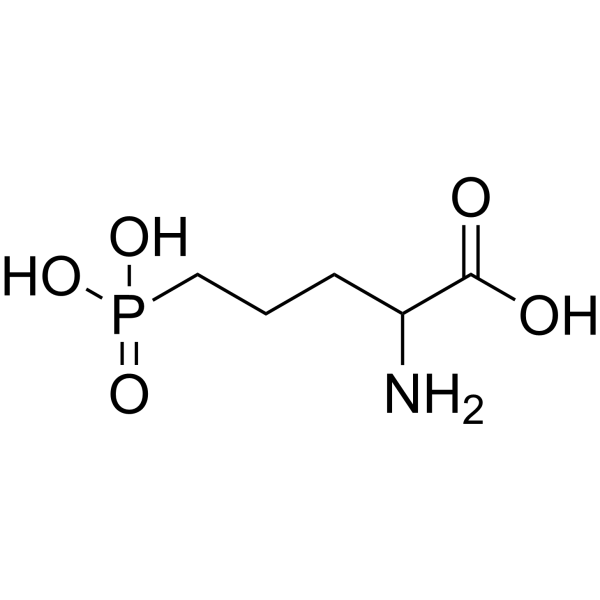
- HY-100714
-
DL-AP5
2 Publications Verification
2-APV; DL-2-Amino-5-phosphonovaleric acid
|
iGluR
|
Neurological Disease
Inflammation/Immunology
|
|
DL-AP5 (2-APV) is a competitive NMDA (N-methyl-D-aspartate) receptor antagonist. DL-AP5 shows significantly antinociceptive activity. DL-AP5 specifically blocks on channels in the rabbit retina .
|
-

- HY-100714CR
-
|
2-APV sodium (Standard); DL-2-Amino-5-phosphonovaleric acid sodium (Standard)
|
Reference Standards
iGluR
|
Neurological Disease
Inflammation/Immunology
|
|
DL-AP5 (sodium) (Standard) is the analytical standard of DL-AP5 (sodium). This product is intended for research and analytical applications. DL-AP5 (2-APV) sodium is a competitive NMDA (N-methyl-D-aspartate) receptor antagonist. DL-AP5 sodium shows significantly antinociceptive activity. DL-AP5 sodium specifically blocks on channels in the rabbit retina .
|
-

- HY-90003S
-
|
|
Isotope-Labeled Compounds
Opioid Receptor
iGluR
MMP
PI3K
Akt
NF-κB
|
Neurological Disease
Inflammation/Immunology
Cancer
|
|
Tianeptine-d12 is a deuterated analog of Tianeptine (HY-90003).Tianeptine is an atypical antidepressant. Tianeptine is a moderate-intensity agonist of the μ-opioid receptor (MOR), and to a lesser extent, is an agonist of the δ-opioid receptor (DOR). Tianeptine is a glutamate modulator that can enhance AMPA receptor and antagonize NMDA receptor. Tianeptine increases sensitivity of the α1 adrenergic receptor, which only manifests in chronic treatment. Tianeptine exerts neuroprotective effects under stress/inflammation-induced conditions, exhibiting anti-inflammatory and antioxidant properties. Tianeptine inhibits MMP-9 by suppressing the PI3K/Akt-mediated NF-κB pathway. Tianeptine can be used to alleviate symptoms of depression and anxiety, but does not cause sedative effects.
|
-

- HY-90003AR
-
|
|
Reference Standards
Opioid Receptor
iGluR
MMP
PI3K
Akt
NF-κB
|
Neurological Disease
Inflammation/Immunology
Cancer
|
|
Tianeptine sodium salt (Standard) is the analytical standard of Tianeptine sodium salt (HY-90003A). This product is intended for research and analytical applications. Tianeptine sodium salt is an atypical antidepressant. Tianeptine sodium salt is a moderate-intensity agonist of the μ-opioid receptor (MOR), and to a lesser extent, is an agonist of the δ-opioid receptor (DOR). Tianeptine sodium salt is a glutamate modulator that can enhance AMPA receptor and antagonize NMDA receptor. Tianeptine sodium salt increases sensitivity of the α1 adrenergic receptor, which only manifests in chronic treatment. Tianeptine sodium salt exerts neuroprotective effects under stress/inflammation-induced conditions, exhibiting anti-inflammatory and antioxidant properties. Tianeptine sodium salt inhibits MMP-9 by suppressing the PI3K/Akt-mediated NF-κB pathway. Tianeptine sodium salt can be used to alleviate symptoms of depression and anxiety, but does not cause sedative effects.
|
-

- HY-178121
-
|
|
iGluR
|
Neurological Disease
Inflammation/Immunology
|
|
JNJ-78911118 is a potent, brain-penetrant, selective GluN2A antagonist (IC50 = 44 nM). JNJ-78911118 shows >200-fold selectivity against GluN1/2B, 2C and 2D receptors. JNJ-78911118 functions as a negative allosteric modulator (NAM) by insurmountably suppressing glutamate efficacy and reducing glycine potency at GluN1/2A receptors. JNJ-78911118 produces profound pharmacodynamic effects in vivo. JNJ-78911118 can be used for depression research .
|
-

- HY-15121R
-
|
L-Glutamic Acid γ-ethyl amide (Standard); Nγ-Ethyl-L-glutamine (Standard)
|
Reference Standards
Apoptosis
Endogenous Metabolite
Reactive Oxygen Species (ROS)
|
Neurological Disease
Cancer
|
|
L-Theanine (Standard) is the analytical standard of L-Theanine. This product is intended for research and analytical applications. L-Theanine (L-Glutamic Acid γ-ethyl amide) is a non-protein amino acid contained in green tea leaves, which blocks the binding of L-glutamic acid to glutamate receptors in the brain, and with neuroprotective, anticancer and anti-oxidative activities. L-Theanine can pass through the blood–brain barrier and is orally active .
|
-

- HY-15121S
-
|
L-Glutamic Acid γ-ethyl amide-d5; Nγ-Ethyl-L-glutamine-d5
|
Apoptosis
Endogenous Metabolite
|
Neurological Disease
|
|
L-Theanine-d5 is the deuterium labeled L-Theanine. L-Theanine (L-Glutamic Acid γ-ethyl amide)is a non-protein amino acid contained in green tea leaves, which blocks the binding of L-glutamic acid to glutamate receptors in the brain, and with neuroprotective and anti-oxidative activities. L-Theanine causes anti-stress effects via the inhibition of cortical neuron excitation by oral intake .
|
-

- HY-110070
-
|
2-Amino-4-phosphonobutyric acid sodium
|
mGluR
|
Others
Neurological Disease
|
|
DL-AP4 sodium (2-Amino-4-phosphonobutyric acid sodium) is an agonist for metabotropic glutamate receptors (mGluR). DL-AP4 sodium binds to mGluR4, activates the signaling pathway that is negatively correlated with adenylate cyclase, and inhibits the Forskolin (HY-15371)-induced production of cAMP. DL-AP4 sodium is also an inhibitor for ON channel, that reduces the sensitivity of photoreceptors to brightness changes .
|
-

- HY-P1399A
-
|
Myr-Pep2m TFA
|
PKC
|
Neurological Disease
|
|
Pep2m, myristoylated TFA (Myr-Pep2m TFA) is a cell-permeable peptide. Pep2m, myristoylated TFA can disrupt the protein kinase ζ (PKMζ) downstream targets, N-ethylmaleimide-sensitive factor/glutamate receptor subunit 2 (NSF/GluR2) interactions. PKMζ is an autonomously active isozyme of protein kinase C (PKC) .
|
-

- HY-N5134
-
|
5'-GMP; 5'-guanosine monophosphate
|
Endogenous Metabolite
iGluR
|
Neurological Disease
Metabolic Disease
|
|
5'-Guanylic acid is a purine nucleotide that participates in physiological processes such as energy metabolism, signal transduction, and gene expression regulation. 5'-Guanylic acid regulates the expression of genes related to fatty acid metabolism. 5'-Guanylic acid is the weak agonist for ionotropic glutamate receptors (iGluR), reduces the activity of the glutamatergic system and exhibits neuroprotective effect. 5'-Guanylic acid also causes neuronal cell death at high concentrations .
|
-

- HY-171844
-
|
|
iGluR
|
Neurological Disease
|
|
CX1739 is a low impact enhancer of AMPA-glutamate receptors (AMPARs). CX1739 enhances long-term potentiation dose-dependently in mouse model. CX1739 also abrogates amphetamine-induced locomotor activity. CX1739 rapidly reverses opioid-induced respiratory depression. CX1739 can be studied in research for dementia, neuropsychiatric disorders, and severe complication of opiate-induced suppression of endogenous inspiratory breathing rhythms .
|
-

- HY-N5134R
-
|
5'-GMP (Standard); 5'-guanosine monophosphate (Standard)
|
Reference Standards
Endogenous Metabolite
|
|
|
5'-Guanylic acid is a purine nucleotide that participates in physiological processes such as energy metabolism, signal transduction, and gene expression regulation. 5'-Guanylic acid regulates the expression of genes related to fatty acid metabolism. 5'-Guanylic acid is the weak agonist for ionotropic glutamate receptors (iGluR), reduces the activity of the glutamatergic system and exhibits neuroprotective effect. 5'-Guanylic acid also causes neuronal cell death at high concentrations .
|
-

- HY-100840A
-
|
4-Carboxy-3-hydroxyphenylglycine
|
mGluR
|
Neurological Disease
|
|
(RS)-4C3HPG (4-Carboxy-3-hydroxyphenylglycine) is an effective competitive antagonist at the metabotropic glutamate receptor 1 (mGluR1) in the central nervous system, and it is also an agonist at mGluR2/3. (RS)-4C3HPG exhibits neuroprotective effects in an acute global ischemia rat model .
|
-

- HY-30004R
-
|
|
Reference Standards
Endogenous Metabolite
|
Cardiovascular Disease
Metabolic Disease
|
|
1-Aminocyclopropane-1-carboxylic acid (Standard) is the analytical standard of 1-Aminocyclopropane-1-carboxylic acid. This product is intended for research and analytical applications. 1-Aminocyclopropane-1-carboxylic acid is an endogenous metabolite. In the presence of low concentrations (1 μM) of glutamate, 1-Aminocyclopropane-1-carboxylic acid acts as a small molecule agonist of NMDA receptors with an EC50 of 0.7-0.9 μM. At high concentrations (10 μM) of glutamate, 1-Aminocyclopropane-1-carboxylic acid acts as a competitive antagonist of NMDA receptors with an EC50 of 81.6 nM. 1-Aminocyclopropane-1-carboxylic acid exerts neuroprotective activity by moderately activating NMDA receptors to prevent neuronal cell death in ischemic animal models. Additionally, 1-Aminocyclopropane-1-carboxylic acid is an antagonist of NMDA receptors, inducing blood pressure reduction and antioxidant effects in stroke-prone hypertensive rats. 1-Aminocyclopropane-1-carboxylic acid enhances object recognition memory and cognitive flexibility dependent on the prefrontal cortex, but does not affect impulsivity nor exhibit an antipsychotic-like profile. 1-Aminocyclopropane-1-carboxylic acid shows promise for research in the field of neurotoxicity. .
|
-

- HY-14608AR
-
|
|
Reference Standards
iGluR
Apoptosis
Ferroptosis
Endogenous Metabolite
|
Neurological Disease
|
|
L-Glutamic acid (monosodium salt) (Standard) is the analytical standard of L-Glutamic acid (monosodium salt). This product is intended for research and analytical applications. L-Glutamic acid monosodium salt is an excitatory amino acid neurotransmitter that acts as an agonist for all subtypes of glutamate receptors (metabolic rhodophylline, NMDA, and AMPA). L-Glutamic acid monosodium salt has an agonist effect on the release of DA from dopaminergic nerve endings. L-Glutamic acid monosodium salt can be used in the study of neurological diseases .
|
-

- HY-112171R
-
|
γ-Glu-Ala (Standard)
|
Endogenous Metabolite
CaSR
|
Others
|
|
γ-L-Glutamyl-L-alanine (Standard) is the analytical standard of γ-L-Glutamyl-L-alanine. This product is intended for research and analytical applications. γ-L-Glutamyl-L-alanine, composed of gamma-glutamate and alanine, is a proteolytic breakdown product of larger proteins. γ-L-Glutamyl-L-alanine is a natural substrate of the γ-Glutamylcyclotransferase. γ-L-Glutamyl-L-alanine is a positive modulator of calcium-sensing receptor (CaR) function .
|
-

- HY-100808R
-
|
(R)-Serine (Standard)
|
Reference Standards
iGluR
Endogenous Metabolite
|
Neurological Disease
|
|
D-Serine (Standard) is the analytical standard of D-Serine. This product is intended for research and analytical applications. D-Serine ((R)-Serine), an endogenous amino acid involved in glia-synapse interactions that has unique neurotransmitter characteristics, is a potent co-agonist at the NMDA glutamate receptor. D-Serinee has a cardinal modulatory role in major NMDAR-dependent processes including NMDAR-mediated neurotransmission, neurotoxicity, synaptic plasticity, and cell migration[1][2].
|
-

- HY-P1077
-
CALP1
3 Publications Verification
|
mGluR
Phosphodiesterase (PDE)
Apoptosis
Calmodulin
|
Inflammation/Immunology
|
|
CALP1 is a calmodulin (CaM) agonist (Kd of 88 µM) with binding to the CaM EF-hand/Ca 2+-binding site. CALP1 blocks calcium influx and apoptosis (IC50 of 44.78 µM) through inhibition of calcium channel opening. CALP1 blocks glutamate receptor channels and blocks a store-operated nonselective cation channel. CALP1 activates CaM-dependent phosphodiesterase activity .
|
-

- HY-120511
-
KNT-127
1 Publications Verification
|
Opioid Receptor
|
Neurological Disease
|
|
KNT-127 is a selective and BBB-penetrant δ-opioid receptor (DOR) agonist (Ki = 0.16 nM). KNT-127 is highly selective to the δ receptor, with Ki values of 0.16, 21.3 and 153 nM for δ, μ and κ receptors, respectively. KNT-127 acts as a biased ligand that mainly activates cyclic adenosine monophosphate (cAMP) signaling with lower beta-arrestin signaling activation. KNT-127 increases the release of dopamine and L-glutamate in the striatum, nucleus accumbens, and prefrontal cortex. KNT-127 exhibits antidepressant- and anxiolytic-like effects. KNT-127 can be studied in research on neurological diseases .
|
-

- HY-B0822R
-
|
|
Reference Standards
GABA Receptor
Cytochrome P450
Apoptosis
|
Neurological Disease
|
|
Fipronil (Standard) is the analytical standard of Fipronil. This product is intended for research and analytical applications. Fipronil is a broad-spectrum insecticide effective against Lepidoptera species as well as thrips, locusts, ants, cockroaches, fleas and ticks. Fipronil selectively inhibits GABA receptor with IC50s of 30 nM and 1600 nM for cockroach and rat GABA receptors, respectively. Glutamate-gated chloride channels (GluCls), which are present in cockroaches but not in mammals, are sensitive to the blocking effect of Fipronil. Fipronil also induces apoptosis in HepG2 cells and promotes the expression of CYP1A1 and CYP3A4 mRNA in human hepatocytes .
|
-

- HY-119886
-
|
|
iGluR
|
Neurological Disease
|
BMS-986169 is an inhibitor of the glutamate N-methyl-D-aspartate 2B receptor (GluN2B). BMS-986169 has a high binding affinity for the allosteric regulatory site of the GluN2B subunit, with a Ki value of 4.03-6.3 nM. BMS-986169 can inhibit the function of GluN2B receptors in Xenopus oocytes, with an IC50 value of 24.1 nM. BMS-986169 can also inhibit the activity of the hERG channel, with an IC50 value of 28.4 μM. BMS-986169 can be used in research on treatment-resistant depression .
|
-

- HY-148611
-
|
|
iGluR
|
Neurological Disease
|
|
NSC339614 potassium is a selective GluN1/GluN2C and GluN1/GluN2D receptor enhancer with the activity of enhancing neuronal responses to specific NMDA receptors. NSC339614 potassium can selectively enhance the signaling of GluN1/GluN2C and GluN1/GluN2D receptors without affecting other NMDA receptors. The mechanism of action of NSC339614 potassium does not compete with agonists of L-glutamate or glycine, nor does it depend on membrane potential. The activity of NSC339614 potassium depends on the specific structure of the agonist ligand binding domain, showing its potential as a novel pharmacological agent for studying the function of NMDA receptor subtypes and providing new lead compounds for a variety of neurological diseases .
|
-

- HY-117132
-
|
|
mGluR
|
Neurological Disease
|
|
YM-202074 is a selective, allosteric metabotropic glutamate receptor type 1 (mGluR1) antagonist with high affinity. YM-202074 binds to the allosteric site of rat mGluR1 with a Ki of 4.8 nM. YM-202074 fumarate also inhibits mGluR1-mediated inositol phosphate production in rat cerebellar granule cells with an IC50 of 8.6 nM. YM-202074 has potent neuroprotective effects in transient MCA (tMCA) occlusion rat models .
|
-

- HY-P1077A
-
|
|
mGluR
Phosphodiesterase (PDE)
Apoptosis
Calmodulin
|
Inflammation/Immunology
|
|
CALP1 TFA is a calmodulin (CaM) agonist (Kd of 88 µM) with binding to the CaM EF-hand/Ca 2+-binding site. CALP1 TFA blocks calcium influx and apoptosis (IC50 of 44.78 µM) through inhibition of calcium channel opening. CALP1 TFA blocks glutamate receptor channels and blocks a store-operated nonselective cation channel. CALP1 TFA activates CaM-dependent phosphodiesterase activity .
|
-

- HY-100808S
-
|
(R)-Serine-d3
|
Isotope-Labeled Compounds
Endogenous Metabolite
iGluR
|
Neurological Disease
|
|
D-Serine-d3 ((R)-Serine-d3) is a deuterium labeled D-Serine (HY-100808). D-Serine ((R)-Serine), an endogenous amino acid involved in glia-synapse interactions that has unique neurotransmitter characteristics, is a potent co-agonist at the NMDA glutamate receptor. D-Serinee has a cardinal modulatory role in major NMDAR-dependent processes including NMDAR-mediated neurotransmission, neurotoxicity, synaptic plasticity, and cell migration .
|
-

- HY-120553
-
|
|
Apoptosis
|
Neurological Disease
|
|
B355252, a phenoxy thiophene sulfonamide small molecule, is a potent NGF receptor agonist. B355252 potentiates NGF-induced neurite outgrowth. B355252 protects ischemic neurons from neuronal loss by attenuating DNA damage, reducing ROS production and the LDH level, and preventing neuronal apoptosis. B355252 has anti-apoptotic effects in glutamate-induced excitotoxicity, as well as in a murine hippocampal cell line (HT22) model of Parkinson disease (PD) .
|
-

- HY-170499
-
|
BI02982816
|
mGluR
|
Neurological Disease
|
|
VU6024578 (BI02982816) is a selective, orally active positive allosteric modulator (PAM) for metabotropic glutamate receptor (mGluR1), that activates human mGluR1 and rat mGluR1 with EC50 of 54 nM and 46 nM. VU6024578 exhibits antipsychotic activity in rats amphetamine-induced hyperactivity models and MK-801 (HY-15084B)-induced novel object recognition (NOR) models. VU6024578 is blood brain barrier penetrable .
|
-

- HY-103556
-
|
|
mGluR
|
Neurological Disease
|
|
YM-202074 fumarate is a selective, allosteric metabotropic glutamate receptor type 1 (mGluR1) antagonist with high affinity. YM-202074 fumarate binds to the allosteric site of rat mGluR1 with a Ki of 4.8 nM. YM-202074 fumarate also inhibits mGluR1-mediated inositol phosphate production in rat cerebellar granule cells with an IC50 of 8.6 nM. YM-202074 fumarate has potent neuroprotective effects in transient MCA (tMCA) occlusion rat models .
|
-

- HY-103574
-
|
ADX-10059 hydrochloride
|
mGluR
|
Neurological Disease
|
|
Raseglurant hydrochloride is a negative allosteric modulator of mGluR5. Raseglurant hydrochloride can be used in study migraine .
|
-

- HY-168177
-
-

- HY-103565AR
-
|
|
Reference Standards
mGluR
|
Neurological Disease
|
|
AMN082 (free base) (Standard) is the analytical standard of AMN082 (free base). This product is intended for research and analytical applications. AMN082 free base, a selective, orally active, and brain penetrant mGluR7 agonist, directly activates receptor signaling via an allosteric site in the transmembrane domain. AMN082 free base potently inhibits cAMP accumulation and stimulates GTPγS binding (EC50 values, 64-290 nM) at transfected mammalian cells expressing mGluR7. AMN082 free base shows selectivity over other mGluR subtypes and selected ionotropic glutamate receptors. Antidepressant effects .
|
-

- HY-B0822S1
-
|
|
GABA Receptor
Cytochrome P450
|
Inflammation/Immunology
|
|
Fipronil- 13C6 is the 13C-labeled Fipronil. Fipronil is an insecticide that acts as a selective antagonist of insect GABA receptors (IC50s = 30 nM and 1,600 nM for cockroach and rat receptors, respectively). Fipronil also inhibits desensitizing and non-desensitizing glutamate-induced chloride currents in cockroach neurons (IC50s = 800 nM and 10 nM, respectively). Fipronil induces activity of the cytochrome P450 (CYP) isoforms CYP1A1/2, CYP2B1/2, and CYP3A1/2 in isolated rat liver microsomes.
|
-

- HY-121833
-
|
|
Trk Receptor
Akt
ERK
|
Neurological Disease
Cancer
|
|
Gambogic amide is a potent and selective agonist of TrkA and also induces its tyrosine phosphorylation and activation of downstream signaling, including Akt and MAPK. Gambogic amide specifically interacts with the cytoplasmic juxtamembrane domain of the TrkA receptor and triggers its dimerization, leading to activation. Gambogic amide has neuroprotective activity preventing glutamate-induced neuronal cell death. Gambogic amide has improved efficacy in a transient middle cerebral artery occlusion model of stroke and could be used to study neurodegenerative diseases and stroke .
|
-

- HY-N0215
-
|
(S)-2-Amino-3-phenylpropionic acid
|
Calcium Channel
iGluR
Endogenous Metabolite
|
Metabolic Disease
Cancer
|
|
L-Phenylalanine ((S)-2-Amino-3-phenylpropionic acid) is an essential amino acid isolated from Escherichia coli. L-Phenylalanine is a α2δ subunit of voltage-dependent Ca + channels antagonist with a Ki of 980 nM. L-phenylalanine is a competitive antagonist for the glycine- and glutamate-binding sites of N-methyl-D-aspartate receptors (NMDARs) (KB of 573 μM ) and non-NMDARs, respectively. L-Phenylalanine is widely used in the production of food flavors and pharmaceuticals .
|
-

- HY-17387S1
-
|
Huperzine A-d4
|
iGluR
Cholinesterase (ChE)
Apoptosis
Isotope-Labeled Compounds
|
Neurological Disease
|
|
(-)-Huperzine A-d4 hydrochloride is deuterated labeled (-)-Huperzine A (HY-17387). (-)-Huperzine A (Huperzine A) is an alkaloid isolated from Huperzia serrata, with neuroprotective activity. (-)-Huperzine A is a potent, highly specific, reversible and blood-brain barrier penetrant inhibitor of acetylcholinesterase (AChE), with an IC50 of 82 nM. (-)-Huperzine A also is non-competitive antagonist of N-methyl-D-aspartate glutamate (NMDA) receptor. (-)-Huperzine A is developed for the research of neurodegenerative diseases, including Alzheimer’s disease .
|
-

- HY-N0215S6
-
|
2-Amino-3-phenylpropionic acid-d5 hydrochloride
|
Isotope-Labeled Compounds
Calcium Channel
iGluR
Endogenous Metabolite
|
Metabolic Disease
|
|
DL-Phenylalanine-d5 (hydrochloride) is the deuterium labeled DL-Phenylalanine hydrochloride. L-Phenylalanine hydrochloride is an essential amino acid isolated from Escherichia coli. L-Phenylalanine hydrochloride is a α2δ subunit of voltage-dependent Ca+ channels antagonist with a Ki of 980 nM. L-phenylalanine hydrochloride is a competitive antagonist for the glycine- and glutamate-binding sites of N-methyl-D-aspartate receptors (NMDARs) (KB of 573 μM ) and non-NMDARs, respectively. L-Phenylalanine hydrochloride is widely used in the production of food flavors and pharmaceuticals .
|
-

- HY-100811AR
-
|
7-CKA sodium salt (Standard)
|
Reference Standards
iGluR
|
Neurological Disease
|
|
7-Chlorokynurenic acid (sodium salt) (Standard) is the analytical standard of 7-Chlorokynurenic acid (sodium salt). This product is intended for research and analytical applications. 7-Chlorokynurenic acid sodium salt (7-CKA sodium salt) is a potent and selective antagonist of the glycine B coagonist site of the N-methyl-D-aspartate (NMDA) receptor (IC50=0.56 μM). 7-Chlorokynurenic acid sodium salt is also a potent inhibitor of the reuptake of glutamate into synaptic vesicles with a Ki of 0.59 μM. 7-Chlorokynurenic acid sodium salt has potent antinociceptive actions after neuraxial delivery .
|
-

- HY-100811R
-
|
7-CKA (Standard)
|
Reference Standards
iGluR
|
Neurological Disease
|
|
7-Chlorokynurenic acid (Standard) is the analytical standard of 7-Chlorokynurenic acid. This product is intended for research and analytical applications. 7-Chlorokynurenic acid (7-CKA) is a potent and selective antagonist of the glycine B coagonist site of the N-methyl-D-aspartate (NMDA) receptor (IC50=0.56 μM). 7-Chlorokynurenic acid is also a potent inhibitor of the reuptake of glutamate into synaptic vesicles with a Ki of 0.59 μM. 7-Chlorokynurenic acid has potent antinociceptive actions after neuraxial delivery .
|
-

- HY-101310
-
|
|
iGluR
EAAT
Bcl-2 Family
Caspase
|
Cardiovascular Disease
Neurological Disease
Inflammation/Immunology
|
|
SYM 2081 is a kainate receptor agonist. SYM 2081 is a substrate of EAAT1 (Km of 54 μM). SYM 2081 inhibits EAAT2-mediated glutamate transport (Kb is 3.4 μM in Xenopus oocytes), modulates Apoptotic signaling pathways (increases Bcl-2 and decreases Bax/caspase-3 expression). SYM 2081 exhibits neuroprotective activity. SYM 2081 can be used in the study of hypoxic-ischemic brain damage and inflammatory or neuropathic pain .
|
-

- HY-P5395
-
|
|
HIV
|
Others
|
|
TAT-GluR23A Fusion Peptide is a biological active peptide. (This is the GluR23A sequence, a control inactive peptide used as a mutant counterpart to glutamate receptor endocytosis inhibitor (GluR23Y), connected to an 11 amino acid cell permeable HIV Trans-Activator of Transcription (TAT) protein transduction domain (PTD). GluR23A is derived from GluR23Y amino acids 869 to 877, with Ala substituted for Tyr, and thus lacking essential phosphorylation sites.Control peptide of HY-P2259)
|
-

- HY-114978
-
|
|
mGluR
PERK
|
Neurological Disease
|
|
VU0424465 is a potent and partial PAM (positive allosteric modulator)-agonist for mGlu5 mediated iCa 2+ mobilization. VU0424465 exhibits high affinity at MPEP allosteric binding site, with a Ki value of 11.8 nM. VU0424465 is also a agonist for pERK1/2 in cortical neurons .
|
-

- HY-N0215S13
-
|
(S)-2-Amino-3-phenylpropionic acid-d1
|
Isotope-Labeled Compounds
Calcium Channel
iGluR
Endogenous Metabolite
|
Metabolic Disease
|
|
L-Phenylalanine-d is the deuterium labeled L-Phenylalanine. L-Phenylalanine ((S)-2-Amino-3-phenylpropionic acid) is an essential amino acid isolated from Escherichia coli. L-Phenylalanine is a α2δ subunit of voltage-dependent Ca+ channels antagonist with a Ki of 980 nM. L-phenylalanine is a competitive antagonist for the glycine- and glutamate-binding sites of N-methyl-D-aspartate receptors (NMDARs) (KB of 573 μM ) and non-NMDARs, respectively. L-Phenylalanine is widely used in the production of food flavors and pharmaceuticals .
|
-

- HY-N0215S3
-
|
(S)-2-Amino-3-phenylpropionic acid-d2
|
Calcium Channel
iGluR
Endogenous Metabolite
|
Metabolic Disease
|
|
L-Phenylalanine-d2 is the deuterium labeled L-Phenylalanine. L-Phenylalanine ((S)-2-Amino-3-phenylpropionic acid) is an essential amino acid isolated from Escherichia coli. L-Phenylalanine is a α2δ subunit of voltage-dependent Ca+ channels antagonist with a Ki of 980 nM. L-phenylalanine is a competitive antagonist for the glycine- and glutamate-binding sites of N-methyl-D-aspartate receptors (NMDARs) (KB of 573 μM ) and non-NMDARs, respectively. L-Phenylalanine is widely used in the production of food flavors and pharmaceuticals .
|
-

- HY-W010970
-
|
5'-GMP disodium salt; 5'-guanosine monophosphate disodium salt
|
Endogenous Metabolite
iGluR
|
Neurological Disease
Metabolic Disease
|
|
5'-Guanylic acid disodium salt is the disodium salt form of 5'-Guanylic acid (HY-N5134). 5'-Guanylic acid disodium salt is a purine nucleotide that participates in physiological processes such as energy metabolism, signal transduction, and gene expression regulation. 5'-Guanylic acid disodium salt regulates the expression of genes related to fatty acid metabolism. 5'-Guanylic acid disodium salt is the weak agonist for ionotropic glutamate receptors (iGluR), reduces the activity of the glutamatergic system and exhibits neuroprotective effect. 5'-Guanylic acid disodium salt also causes neuronal cell death at high concentrations .
|
-

- HY-N0215S
-
|
(S)-2-Amino-3-phenylpropionic acid-d7
|
Isotope-Labeled Compounds
Calcium Channel
iGluR
Endogenous Metabolite
|
Metabolic Disease
|
|
L-Phenylalanine-d7 is the deuterium labeled L-Phenylalanine. L-Phenylalanine ((S)-2-Amino-3-phenylpropionic acid) is an essential amino acid isolated from Escherichia coli. L-Phenylalanine is a α2δ subunit of voltage-dependent Ca+ channels antagonist with a Ki of 980 nM. L-phenylalanine is a competitive antagonist for the glycine- and glutamate-binding sites of N-methyl-D-aspartate receptors (NMDARs) (KB of 573 μM ) and non-NMDARs, respectively. L-Phenylalanine is widely used in the production of food flavors and pharmaceuticals .
|
-

- HY-N0215S1
-
|
(S)-2-Amino-3-phenylpropionic acid-d8
|
Calcium Channel
iGluR
Endogenous Metabolite
|
Metabolic Disease
|
|
L-Phenylalanine-d8 is the deuterium labeled L-Phenylalanine. L-Phenylalanine ((S)-2-Amino-3-phenylpropionic acid) is an essential amino acid isolated from Escherichia coli. L-Phenylalanine is a α2δ subunit of voltage-dependent Ca+ channels antagonist with a Ki of 980 nM. L-phenylalanine is a competitive antagonist for the glycine- and glutamate-binding sites of N-methyl-D-aspartate receptors (NMDARs) (KB of 573 μM ) and non-NMDARs, respectively. L-Phenylalanine is widely used in the production of food flavors and pharmaceuticals .
|
-

- HY-N0215S12
-
|
(S)-2-Amino-3-phenylpropionic acid-d5
|
Calcium Channel
iGluR
Endogenous Metabolite
|
Metabolic Disease
|
|
L-Phenylalanine-d5 is the deuterium labeled L-Phenylalanine. L-Phenylalanine ((S)-2-Amino-3-phenylpropionic acid) is an essential amino acid isolated from Escherichia coli. L-Phenylalanine is a α2δ subunit of voltage-dependent Ca+ channels antagonist with a Ki of 980 nM. L-phenylalanine is a competitive antagonist for the glycine- and glutamate-binding sites of N-methyl-D-aspartate receptors (NMDARs) (KB of 573 μM ) and non-NMDARs, respectively. L-Phenylalanine is widely used in the production of food flavors and pharmaceuticals .
|
-

- HY-15121S1
-
|
L-Glutamic Acid γ-ethyl amide-13C2,15N2; Nγ-Ethyl-L-glutamine-13C2,15N2
|
DNA/RNA Synthesis
|
Others
|
|
L-Theanine- 13C2, 15N2 (L-Glutamic Acid γ-ethyl amide- 13C2, 15N2) is the 13C- and 15N-labeled L-Theanine (HY-15121). L-Theanine (L-Glutamic Acid γ-ethyl amide) is a non-protein amino acid contained in green tea leaves, which blocks the binding of L-glutamic acid to glutamate receptors in the brain, and with neuroprotective, anticancer and anti-oxidative activities. L-Theanine can pass through the blood–brain barrier and is orally active.
|
-

- HY-N0215S7
-
|
(S)-2-Amino-3-phenylpropionic acid-3-13C
|
Calcium Channel
iGluR
Endogenous Metabolite
|
Metabolic Disease
|
|
L-Phenylalanine-3- 13C is the 13C-labeled L-Phenylalanine. L-Phenylalanine ((S)-2-Amino-3-phenylpropionic acid) is an essential amino acid isolated from Escherichia coli. L-Phenylalanine is a α2δ subunit of voltage-dependent Ca+ channels antagonist with a Ki of 980 nM. L-phenylalanine is a competitive antagonist for the glycine- and glutamate-binding sites of N-methyl-D-aspartate receptors (NMDARs) (KB of 573 μM ) and non-NMDARs, respectively. L-Phenylalanine is widely used in the production of food flavors and pharmaceuticals .
|
-

- HY-157998
-
|
|
mGluR
Src
|
Others
|
|
mG2N001 is a negative allosteric modulator (NAM) (IC50: 93 nM) of the metabotropic glutamate receptor mGluR2 and binds to mGluR2 as an antagonist (Ki: 63 nM). mG2N001 is microparticle- and plasma-stable, and its radioisotope [11C]mG2N001 can be used in PET imaging. [11C]mG2N001 has good brain heterogeneity and brain penetration, and can selectively accumulate in mGluR2-rich regions, producing high-contrast brain images .
|
-

- HY-N0215S2
-
|
(S)-2-Amino-3-phenylpropionic acid-13C
|
Isotope-Labeled Compounds
Calcium Channel
iGluR
Endogenous Metabolite
|
Metabolic Disease
|
|
L-Phenylalanine- 13C is the 13C-labeled L-Phenylalanine. L-Phenylalanine ((S)-2-Amino-3-phenylpropionic acid) is an essential amino acid isolated from Escherichia coli. L-Phenylalanine is a α2δ subunit of voltage-dependent Ca+ channels antagonist with a Ki of 980 nM. L-phenylalanine is a competitive antagonist for the glycine- and glutamate-binding sites of N-methyl-D-aspartate receptors (NMDARs) (KB of 573 μM ) and non-NMDARs, respectively. L-Phenylalanine is widely used in the production of food flavors and pharmaceuticals .
|
-

- HY-178251S
-
|
|
Isotope-Labeled Compounds
Calcium Channel
iGluR
Endogenous Metabolite
|
Metabolic Disease
Cancer
|
|
L-Phenylalanine-d is the deuterium labeled L-Phenylalanine (HY-N0215). L-Phenylalanine ((S)-2-Amino-3-phenylpropionic acid) is an essential amino acid isolated from Escherichia coli. L-Phenylalanine is a α2δ subunit of voltage-dependent Ca 2+ channels antagonist with a Ki of 980 nM. L-phenylalanine is a competitive antagonist for the glycine- and glutamate-binding sites of N-methyl-D-aspartate receptors (NMDARs) (KB of 573 μM ) and non-NMDARs, respectively. L-Phenylalanine is widely used in the production of food flavors and pharmaceuticals .
|
-

- HY-N0215R
-
|
(S)-2-Amino-3-phenylpropionic acid (Standard)
|
Reference Standards
Calcium Channel
iGluR
Endogenous Metabolite
|
Metabolic Disease
|
|
L-Phenylalanine (Standard) is the analytical standard of L-Phenylalanine. This product is intended for research and analytical applications. L-Phenylalanine ((S)-2-Amino-3-phenylpropionic acid) is an essential amino acid isolated from Escherichia coli. L-Phenylalanine is a α2δ subunit of voltage-dependent Ca+ channels antagonist with a Ki of 980 nM. L-phenylalanine is a competitive antagonist for the glycine- and glutamate-binding sites of N-methyl-D-aspartate receptors (NMDARs) (KB of 573 μM ) and non-NMDARs, respectively. L-Phenylalanine is widely used in the production of food flavors and pharmaceuticals .
|
-

- HY-N0215S5
-
|
(S)-2-Amino-3-phenylpropionic acid-15N
|
Isotope-Labeled Compounds
Calcium Channel
iGluR
Endogenous Metabolite
|
Metabolic Disease
|
|
L-Phenylalanine- 15N is the 15N-labeled L-Phenylalanine. L-Phenylalanine ((S)-2-Amino-3-phenylpropionic acid) is an essential amino acid isolated from Escherichia coli. L-Phenylalanine is a α2δ subunit of voltage-dependent Ca+ channels antagonist with a Ki of 980 nM. L-phenylalanine is a competitive antagonist for the glycine- and glutamate-binding sites of N-methyl-D-aspartate receptors (NMDARs) (KB of 573 μM ) and non-NMDARs, respectively. L-Phenylalanine is widely used in the production of food flavors and pharmaceuticals .
|
-

- HY-N6746
-
|
NSC 186
|
Bacterial
Fungal
Endogenous Metabolite
Apoptosis
|
Infection
Neurological Disease
Cancer
|
|
Citrinin (NSC 186) is a mycotoxin that causes food contamination and has different toxic effects. Citrinin is an effective oral anticancer agent. Citrinin has various regulatory effects on mouse immune system, including regulating the number of immune cells, inducing apoptosis and autophagy of immune cells, altering toll-like receptor expression and cytokine production. Citrinin can induce oxidative stress and lead to early apoptosis of oocytes. Low doses of Citrinin have neuroprotective effects against glutamate-induced excitotoxicity in rat cortical neurons. In addition, Citrinin also has antibacterial activity .
|
-

- HY-N0215S8
-
|
(S)-2-Amino-3-phenylpropionic acid-13C6
|
Isotope-Labeled Compounds
Calcium Channel
iGluR
Endogenous Metabolite
|
Metabolic Disease
|
|
L-Phenylalanine- 13C6 is the 13C-labeled L-Phenylalanine. L-Phenylalanine ((S)-2-Amino-3-phenylpropionic acid) is an essential amino acid isolated from Escherichia coli. L-Phenylalanine is a α2δ subunit of voltage-dependent Ca+ channels antagonist with a Ki of 980 nM. L-phenylalanine is a competitive antagonist for the glycine- and glutamate-binding sites of N-methyl-D-aspartate receptors (NMDARs) (KB of 573 μM ) and non-NMDARs, respectively. L-Phenylalanine is widely used in the production of food flavors and pharmaceuticals .
|
-

- HY-N0215S10
-
|
(S)-2-Amino-3-phenylpropionic acid-13C9
|
Isotope-Labeled Compounds
Calcium Channel
iGluR
Endogenous Metabolite
|
Metabolic Disease
|
|
L-Phenylalanine- 13C9 is the 13C-labeled L-Phenylalanine. L-Phenylalanine ((S)-2-Amino-3-phenylpropionic acid) is an essential amino acid isolated from Escherichia coli. L-Phenylalanine is a α2δ subunit of voltage-dependent Ca+ channels antagonist with a Ki of 980 nM. L-phenylalanine is a competitive antagonist for the glycine- and glutamate-binding sites of N-methyl-D-aspartate receptors (NMDARs) (KB of 573 μM ) and non-NMDARs, respectively. L-Phenylalanine is widely used in the production of food flavors and pharmaceuticals .
|
-

- HY-N0215S11
-
|
(S)-2-Amino-3-phenylpropionic acid-13C9,15N
|
Calcium Channel
iGluR
Endogenous Metabolite
|
Metabolic Disease
|
|
L-Phenylalanine- 13C9, 15N is the 13C- and 15N-labeled L-Phenylalanine. L-Phenylalanine ((S)-2-Amino-3-phenylpropionic acid) is an essential amino acid isolated from Escherichia coli. L-Phenylalanine is a α2δ subunit of voltage-dependent Ca+ channels antagonist with a Ki of 980 nM. L-phenylalanine is a competitive antagonist for the glycine- and glutamate-binding sites of N-methyl-D-aspartate receptors (NMDARs) (KB of 573 μM ) and non-NMDARs, respectively. L-Phenylalanine is widely used in the production of food flavors and pharmaceuticals .
|
-

- HY-15703
-
QNZ46
1 Publications Verification
|
iGluR
|
Neurological Disease
|
|
QNZ46 is a highly selective noncompetitive NMDA receptor antagonist targeting GluN2C/D (IC50=3.9 μM), GluN1/GluN2C (IC50=7.1 μM), and GluN1/GluN2D (IC50=182 μM) subunits. QNZ46 inhibits glutamate-mediated calcium influx, thereby blocking excitotoxicity. QNZ46 is membrane permeable and can cross the blood-brain barrier, where it inhibits myelin damage and axonal degeneration .
|
-

- HY-N0215S14
-
|
(S)-2-Amino-3-phenylpropionic acid-15N,d8
|
Isotope-Labeled Compounds
Calcium Channel
iGluR
Endogenous Metabolite
|
Metabolic Disease
|
|
L-Phenylalanine- 15N,d8 is the deuterium and 15N-labeled L-Phenylalanine. L-Phenylalanine ((S)-2-Amino-3-phenylpropionic acid) is an essential amino acid isolated from Escherichia coli. L-Phenylalanine is a α2δ subunit of voltage-dependent Ca2+ channels antagonist with a Ki of 980 nM. L-phenylalanine is a competitive antagonist for the glycine- and glutamate-binding sites of N-methyl-D-aspartate receptors (NMDARs) (KB of 573 μM ) and non-NMDARs, respectively. L-Phenylalanine is widely used in the production of food flavors and pharmaceuticals .
|
-

- HY-N0215S9
-
|
(S)-2-Amino-3-phenylpropionic acid-13C9,15N,d8
|
Isotope-Labeled Compounds
Calcium Channel
iGluR
Endogenous Metabolite
|
Metabolic Disease
|
|
L-Phenylalanine- 13C9, 15N,d8 is the deuterium, 13C-, and 15-labeled L-Phenylalanine. L-Phenylalanine ((S)-2-Amino-3-phenylpropionic acid) is an essential amino acid isolated from Escherichia coli. L-Phenylalanine is a α2δ subunit of voltage-dependent Ca+ channels antagonist with a Ki of 980 nM. L-phenylalanine is a competitive antagonist for the glycine- and glutamate-binding sites of N-methyl-D-aspartate receptors (NMDARs) (KB of 573 μM ) and non-NMDARs, respectively. L-Phenylalanine is widely used in the production of food flavors and pharmaceuticals .
|
-

- HY-101261
-
|
|
iGluR
|
Neurological Disease
|
|
ATPA is a selective glutamate receptor GluR5 activator with EC50s of 0.66, 9.5, 1.4, 23, 32, 18, and 14 μM for GluR5wt, GluR5(S741M), GluR5(S721T), GluR5(S721T, S741M), GluR5(S741A), GluR5(S741L), and GluR5(S741V), respectively .
|
-

- HY-W005255R
-
|
|
Reference Standards
Endogenous Metabolite
|
Cardiovascular Disease
|
|
Citrinin (Standard) is the analytical standard of Citrinin. This product is intended for research and analytical applications. Citrinin (NSC 186) is a mycotoxin that causes food contamination and has different toxic effects. Citrinin is an effective oral anticancer agent. Citrinin has various regulatory effects on mouse immune system, including regulating the number of immune cells, inducing apoptosis and autophagy of immune cells, altering toll-like receptor expression and cytokine production. Citrinin can induce oxidative stress and lead to early apoptosis of oocytes. Low doses of Citrinin have neuroprotective effects against glutamate-induced excitotoxicity in rat cortical neurons. In addition, Citrinin also has antibacterial activity .
|
-

- HY-N6746R
-
|
NSC 186 (Standard)
|
Reference Standards
Bacterial
Fungal
Endogenous Metabolite
Apoptosis
|
Infection
Neurological Disease
Cancer
|
|
Citrinin (Standard) is the analytical standard of Citrinin. This product is intended for research and analytical applications. Citrinin (NSC 186) is a mycotoxin that causes food contamination and has different toxic effects. Citrinin is an effective oral anticancer agent. Citrinin has various regulatory effects on mouse immune system, including regulating the number of immune cells, inducing apoptosis and autophagy of immune cells, altering toll-like receptor expression and cytokine production. Citrinin can induce oxidative stress and lead to early apoptosis of oocytes. Low doses of Citrinin have neuroprotective effects against glutamate-induced excitotoxicity in rat cortical neurons. In addition, Citrinin also has antibacterial activity .
|
-

- HY-155811
-
|
|
iGluR
|
Neurological Disease
|
|
DQP-997-74 (compound 2i) is a selective negative allosteric modulator of N-methyl-d-aspartate receptor (NMDAR), specifically targeting GluN2C/D (IC50: 0.069 μM and 0.035 μM), with blood-brain barrier penetrability. Where DQP refers to dihydroquinoline-pyrazoline. DQP-997-74 acts synergistically with the agonist glutamate to exhibit time-dependent enhanced potency in inhibiting hypersynchronous activity driven by high-frequency excitatory synaptic transmission. DQP-997-74 reduces the number of epileptogenesis in a murine model of tuberous sclerosis complex (TSC)-induced epilepsy. DQP-997-74 can be used for research on NMDAR-related neurological diseases .
|
-

- HY-N6746S1
-
|
NSC 186-13C13
|
Isotope-Labeled Compounds
Apoptosis
Bacterial
Autophagy
|
Infection
Neurological Disease
Cancer
|
|
Citrinin- 13C13 (NSC 186- 13C13) is the 13C labeled Citrinin (HY-N6746). Citrinin (NSC 186) is a mycotoxin that causes food contamination and has different toxic effects. Citrinin is an effective oral anticancer agent. Citrinin has various regulatory effects on mouse immune system, including regulating the number of immune cells, inducing apoptosis and autophagy of immune cells, altering toll-like receptor expression and cytokine production. Citrinin can induce oxidative stress and lead to early apoptosis of oocytes. Low doses of Citrinin have neuroprotective effects against glutamate-induced excitotoxicity in rat cortical neurons. In addition, Citrinin also has antibacterial activity .
|
-

- HY-14608R
-
|
|
Reference Standards
Endogenous Metabolite
iGluR
Ferroptosis
Apoptosis
|
Neurological Disease
|
L-Glutamic acid (Standard) is the analytical standard of L-Glutamic acid. This product is intended for research and analytical applications. L-Glutamic acid is an excitatory amino acid neurotransmitter that acts as an agonist for all subtypes of glutamate receptors (metabolic rhodophylline, NMDA, and AMPA). L-Glutamic acid has an agonist effect on the release of DA from dopaminergic nerve endings. L-Glutamic acid can be used in the study of neurological diseases .
IC50 & Target:DA .
In Vitro: L-Glutamic acid (120, 500, 750, 1000 mg/dL) can reduce the harmful effect of lithium on the embryonic development of Xenopus Xenopus .
L-Glutamic acid (2, 5, 10, 20 mM, 24-48 h) can induce neuroexcitotoxicity in neuroblastoma .
In Vivo: L-Glutamic acid (3 g/kg, subcutaneous injection) can promote excitotoxic degeneration of retinal ganglion cells in mice .
L-Glutamic acid (750 mg/kg, intraperitoneal injection) can reduce and inhibit oxidative stress induced by chlorpyrifos (CPF) in rats .
|
-

| Cat. No. |
Product Name |
Type |
-
- HY-B1102
-
|
Direct Blue 53; T-1824; C.I. 23860
|
Biochemical Assay Reagents
|
|
Evans Blue (Direct Blue 53) is a potent inhibitor of L-glutamate uptake via the membrane bound excitatory amino acid transporter (EAAT). Evans Blue is a L-glutamate and kainate receptor-mediated currents inhibitor. Evans Blue has a strong affinity towards serum albumin, making it a high molecular weight protein tracer. Evans Blue is also used to study BBB (blood-brain barrier) permeability .
|
| Cat. No. |
Product Name |
Target |
Research Area |
-
- HY-117483
-
|
|
iGluR
|
Neurological Disease
|
|
Gly-Pro-Glu is a neuroactive peptide with a potent action on acetylcholine release. Gly-Pro-Glu is the N-terminal tripeptide of insulin-like growth factor-I. Gly-Pro-Glu inhibits glutamate binds to N-methyl-D-aspartate (NMDA) receptor with an IC50 value of 14.7 μM. Gly-Pro-Glu can be used for the research of neuroprotection .
|
-
- HY-P1399A
-
|
Myr-Pep2m TFA
|
PKC
|
Neurological Disease
|
|
Pep2m, myristoylated TFA (Myr-Pep2m TFA) is a cell-permeable peptide. Pep2m, myristoylated TFA can disrupt the protein kinase ζ (PKMζ) downstream targets, N-ethylmaleimide-sensitive factor/glutamate receptor subunit 2 (NSF/GluR2) interactions. PKMζ is an autonomously active isozyme of protein kinase C (PKC) .
|
-
- HY-P1077
-
CALP1
3 Publications Verification
|
mGluR
Phosphodiesterase (PDE)
Apoptosis
Calmodulin
|
Inflammation/Immunology
|
|
CALP1 is a calmodulin (CaM) agonist (Kd of 88 µM) with binding to the CaM EF-hand/Ca 2+-binding site. CALP1 blocks calcium influx and apoptosis (IC50 of 44.78 µM) through inhibition of calcium channel opening. CALP1 blocks glutamate receptor channels and blocks a store-operated nonselective cation channel. CALP1 activates CaM-dependent phosphodiesterase activity .
|
-
- HY-P1077A
-
|
|
mGluR
Phosphodiesterase (PDE)
Apoptosis
Calmodulin
|
Inflammation/Immunology
|
|
CALP1 TFA is a calmodulin (CaM) agonist (Kd of 88 µM) with binding to the CaM EF-hand/Ca 2+-binding site. CALP1 TFA blocks calcium influx and apoptosis (IC50 of 44.78 µM) through inhibition of calcium channel opening. CALP1 TFA blocks glutamate receptor channels and blocks a store-operated nonselective cation channel. CALP1 TFA activates CaM-dependent phosphodiesterase activity .
|
-
- HY-P1056
-
|
|
iGluR
|
Neurological Disease
|
|
pep2-SVKI is a selective peptide inhibitor. pep2-SVKI inhibits the binding of AMPA-type glutamate receptor (GluA2) (C-terminal PDZ site) to glutamate receptor interacting protein (GRIP), AMPA receptor binding protein (ABP), and C-kinase interacting protein (PICK1). pep2-SVKI increases the amplitude of AMPA receptor-mediated currents and blocks long-term depression (LTD). pep2-SVKI can be used to study neurological diseases .
|
-
- HY-P1327
-
|
|
Neuropeptide Y Receptor
|
Neurological Disease
|
|
BVD 10, a neuropeptide Y (NPY) analogue peptide, is a highly selective NPY Y1 receptor antagonist. BVD10 significantly prevents NPY-induced glutamate increase. BVD 10 can be used for seizure research .
|
-
- HY-P1058
-
|
|
iGluR
|
Neurological Disease
|
|
Pep2m is a peptide receptor inhibitor. Pep2m inhibits the interaction between the C-terminus of the AMPA-type glutamate receptor (GluA2) subunit and N-ethylmaleimide-sensitive fusion protein (NSF). Pep2m prevents synaptic long-term depression (LTD). Pep2m can reduce postsynaptic currents in neurons, AMPA-mediated currents in cultured hippocampal neurons, and AMPA receptor surface expression [1] [2] [3] [4] [5].
|
-
- HY-P10405
-
|
|
Dopamine Receptor
|
Neurological Disease
|
|
TAT-D1 peptide is a selective D1-D2 heterogeneous antagonist. TAT-D1 peptide destroys the heterodimer of the D1-D2 receptor by interacting with the specific domain of the D2 receptor through its unique amino acid sequence, in particular the two glutamate residues at the C terminal of the D1 receptor. TAT-D1 peptide can be used to study the role of D1-D2 receptor heterodimers in the regulation of depressive and anxiety-like behaviors .
|
-
- HY-P1059
-
|
|
iGluR
|
Neurological Disease
|
|
Pep2-AVKI is a selective peptide inhibitor of the binding of the AMPA receptor subunit (GluR2) at the C-terminal PDZ site to C-kinase (PICK1). Pep2-AVKI does not affect the binding of (AMPA-type glutamate receptor) GluA2 to GRIP or ABP. Pep2-AVKI does not increase the amplitude of AMPA currents. pep2-AVKI can be used to study neurological diseases .
|
-
- HY-P1399
-
|
Myr-Pep2m
|
PKC
|
Neurological Disease
|
|
Pep2m, myristoylated (Myr-Pep2m) is a cell-permeable peptide. Pep2m, myristoylated can disrupt the protein kinase ζ (PKMζ) downstream targets, N-ethylmaleimide-sensitive factor/glutamate receptor subunit 2 (NSF/GluR2) interactions. PKMζ is an autonomously active isozyme of protein kinase C (PKC) .
|
-
- HY-P5395
-
|
|
HIV
|
Others
|
|
TAT-GluR23A Fusion Peptide is a biological active peptide. (This is the GluR23A sequence, a control inactive peptide used as a mutant counterpart to glutamate receptor endocytosis inhibitor (GluR23Y), connected to an 11 amino acid cell permeable HIV Trans-Activator of Transcription (TAT) protein transduction domain (PTD). GluR23A is derived from GluR23Y amino acids 869 to 877, with Ala substituted for Tyr, and thus lacking essential phosphorylation sites.Control peptide of HY-P2259)
|
-
- HY-P11023
-
|
|
Peptides
|
Metabolic Disease
Inflammation/Immunology
Cancer
|
|
E16-uPA24 is a chimeric peptide targeting urokinase-type plasminogen activator receptor (uPAR). E16-uPA24 modifies senescent cells surface with polyglutamic acid, promoting immune cell-mediated responses through glutamate recognition. E16-uPA24 induces immune clearance of senescent cells and restores tissue homeostasis by enhancing immune cells recruitment and directly coupling senescent cells and immune cells. E16-uPA24 can be used for tissue degeneration, chronic inflammatory disease and age-related tumorigenesis research .
|
| Cat. No. |
Product Name |
Category |
Target |
Chemical Structure |
-
- HY-B0649
-
-
-
- HY-17551
-
-
-
- HY-W014666
-
-
-
- HY-14608
-
-
-
- HY-122808
-
-
-
- HY-N2309
-
-
-
- HY-14608A
-
-
-
- HY-W014666R
-
-
-
- HY-N8115
-
-
-
- HY-B0649R
-
-
-
- HY-100806
-
-
-
- HY-107512
-
-
-
- HY-N5159
-
|
|
Microorganisms
Antibiotics
Source classification
Other Antibiotics
|
iGluR
|
|
Ampullosporin A is a peptaibol-type polypeptide that can be isolated from the fungus Sepedonium ampullosporum HKI-0053, exhibiting neuroleptic-like activity. Ampullosporin A can inhibit hyperactivity induced by NMDA receptor antagonist MK-801 (HY-15084B) and ameliorate social behavior abnormalities caused by subchronic drug treatment. Ampullosporin A alters the activity of glutamate receptors without affecting dopamine D1 and D2 receptors .
|
-
-
- HY-169871
-
|
|
Animals
Source classification
Phenols
Polyphenols
Animal Venoms
|
iGluR
|
|
Argiotoxin 636 is a toxin and the non-specific, non-competitive, and potent ionotropic glutamate receptor (iGluR) antagonist. Argiotoxin 636 blocks excitatory synaptic transmission in neurons and has paralysis and muscle relaxation effects. Argiotoxin 636 can be used in the study of nervous system diseases .
|
-
-
- HY-107512R
-
-
-
- HY-100806R
-
-
-
- HY-100804
-
|
|
Ketones, Aldehydes, Acids
Source classification
Endogenous metabolite
|
mGluR
Endogenous Metabolite
|
|
L-Cysteinesulfinic acid is a potent agonist at several rat metabotropic glutamate receptors (mGluRs) with pEC50s of 3.92, 4.6, 3.9, 2.7, 4.0, and 3.94 for mGluR1, mGluR5, mGluR2, mGluR4, mGluR6, and mGluR8, respectively .
|
-
-
- HY-W017230
-
|
|
Natural Products
Neurological Disease
Classification of Application Fields
Source classification
Endogenous metabolite
Disease Research Fields
|
mGluR
Endogenous Metabolite
|
|
L-Cysteinesulfinic acid monohydrate is a potent agonist at several rat metabotropic glutamate receptors (mGluRs) with pEC50s of 3.92, 4.6, 3.9, 2.7, 4.0, and 3.94 for mGluR1, mGluR5, mGluR2, mGluR4, mGluR6, and mGluR8, respectively .
|
-
-
- HY-Y0966
-
-
-
- HY-W017230R
-
|
|
Natural Products
Source classification
Endogenous metabolite
|
mGluR
Endogenous Metabolite
|
|
L-Cysteinesulfinic acid monohydrate is a potent agonist at several rat metabotropic glutamate receptors (mGluRs) with pEC50s of 3.92, 4.6, 3.9, 2.7, 4.0, and 3.94 for mGluR1, mGluR5, mGluR2, mGluR4, mGluR6, and mGluR8, respectively .
|
-
-
- HY-118482
-
-
-
- HY-100808
-
-
-
- HY-15121
-
-
-
- HY-112171
-
-
-
- HY-30004
-
|
|
Microorganisms
Classification of Application Fields
Ketones, Aldehydes, Acids
Source classification
Metabolic Disease
Endogenous metabolite
Disease Research Fields
|
Endogenous Metabolite
|
|
1-Aminocyclopropane-1-carboxylic acid is an endogenous metabolite. In the presence of low concentrations (1 μM) of glutamate, 1-Aminocyclopropane-1-carboxylic acid acts as a small molecule agonist of NMDA receptors with an EC50 of 0.7-0.9 μM. At high concentrations (10 μM) of glutamate, 1-Aminocyclopropane-1-carboxylic acid acts as a competitive antagonist of NMDA receptors with an EC50 of 81.6 nM. 1-Aminocyclopropane-1-carboxylic acid exerts neuroprotective activity by moderately activating NMDA receptors to prevent neuronal cell death in ischemic animal models. Additionally, 1-Aminocyclopropane-1-carboxylic acid is an antagonist of NMDA receptors, inducing blood pressure reduction and antioxidant effects in stroke-prone hypertensive rats. 1-Aminocyclopropane-1-carboxylic acid enhances object recognition memory and cognitive flexibility dependent on the prefrontal cortex, but does not affect impulsivity nor exhibit an antipsychotic-like profile. 1-Aminocyclopropane-1-carboxylic acid shows promise for research in the field of neurotoxicity. .
|
-
-
- HY-17387
-
-
-
- HY-Y0966R
-
-
-
- HY-100804R
-
|
|
Ketones, Aldehydes, Acids
Source classification
Endogenous metabolite
|
Reference Standards
mGluR
Endogenous Metabolite
|
|
L-Cysteinesulfinic acid (Standard) is the analytical standard of L-Cysteinesulfinic acid. This product is intended for research and analytical applications. L-Cysteinesulfinic acid is a potent agonist at several rat metabotropic glutamate receptors (mGluRs) with pEC50s of 3.92, 4.6, 3.9, 2.7, 4.0, and 3.94 for mGluR1, mGluR5, mGluR2, mGluR4, mGluR6, and mGluR8, respectively .
|
-
-
- HY-15121R
-
-
-
- HY-N5134
-
-
-
- HY-30004R
-
|
|
Microorganisms
Ketones, Aldehydes, Acids
Source classification
Endogenous metabolite
|
Reference Standards
Endogenous Metabolite
|
|
1-Aminocyclopropane-1-carboxylic acid (Standard) is the analytical standard of 1-Aminocyclopropane-1-carboxylic acid. This product is intended for research and analytical applications. 1-Aminocyclopropane-1-carboxylic acid is an endogenous metabolite. In the presence of low concentrations (1 μM) of glutamate, 1-Aminocyclopropane-1-carboxylic acid acts as a small molecule agonist of NMDA receptors with an EC50 of 0.7-0.9 μM. At high concentrations (10 μM) of glutamate, 1-Aminocyclopropane-1-carboxylic acid acts as a competitive antagonist of NMDA receptors with an EC50 of 81.6 nM. 1-Aminocyclopropane-1-carboxylic acid exerts neuroprotective activity by moderately activating NMDA receptors to prevent neuronal cell death in ischemic animal models. Additionally, 1-Aminocyclopropane-1-carboxylic acid is an antagonist of NMDA receptors, inducing blood pressure reduction and antioxidant effects in stroke-prone hypertensive rats. 1-Aminocyclopropane-1-carboxylic acid enhances object recognition memory and cognitive flexibility dependent on the prefrontal cortex, but does not affect impulsivity nor exhibit an antipsychotic-like profile. 1-Aminocyclopropane-1-carboxylic acid shows promise for research in the field of neurotoxicity. .
|
-
-
- HY-14608AR
-
|
|
Microorganisms
other families
Animals
Source classification
Amino acids
Plants
|
Reference Standards
iGluR
Apoptosis
Ferroptosis
Endogenous Metabolite
|
|
L-Glutamic acid (monosodium salt) (Standard) is the analytical standard of L-Glutamic acid (monosodium salt). This product is intended for research and analytical applications. L-Glutamic acid monosodium salt is an excitatory amino acid neurotransmitter that acts as an agonist for all subtypes of glutamate receptors (metabolic rhodophylline, NMDA, and AMPA). L-Glutamic acid monosodium salt has an agonist effect on the release of DA from dopaminergic nerve endings. L-Glutamic acid monosodium salt can be used in the study of neurological diseases .
|
-
-
- HY-112171R
-
|
γ-Glu-Ala (Standard)
|
Natural Products
Human Gut Microbiota Metabolites
Source classification
Endogenous metabolite
|
Endogenous Metabolite
CaSR
|
|
γ-L-Glutamyl-L-alanine (Standard) is the analytical standard of γ-L-Glutamyl-L-alanine. This product is intended for research and analytical applications. γ-L-Glutamyl-L-alanine, composed of gamma-glutamate and alanine, is a proteolytic breakdown product of larger proteins. γ-L-Glutamyl-L-alanine is a natural substrate of the γ-Glutamylcyclotransferase. γ-L-Glutamyl-L-alanine is a positive modulator of calcium-sensing receptor (CaR) function .
|
-
-
- HY-100808R
-
-
-
- HY-N0215
-
-
-
- HY-W010970
-
|
5'-GMP disodium salt; 5'-guanosine monophosphate disodium salt
|
Classification of Application Fields
Ketones, Aldehydes, Acids
Source classification
Other Diseases
Endogenous metabolite
Disease Research Fields
|
Endogenous Metabolite
iGluR
|
|
5'-Guanylic acid disodium salt is the disodium salt form of 5'-Guanylic acid (HY-N5134). 5'-Guanylic acid disodium salt is a purine nucleotide that participates in physiological processes such as energy metabolism, signal transduction, and gene expression regulation. 5'-Guanylic acid disodium salt regulates the expression of genes related to fatty acid metabolism. 5'-Guanylic acid disodium salt is the weak agonist for ionotropic glutamate receptors (iGluR), reduces the activity of the glutamatergic system and exhibits neuroprotective effect. 5'-Guanylic acid disodium salt also causes neuronal cell death at high concentrations .
|
-
-
- HY-N0215R
-
|
(S)-2-Amino-3-phenylpropionic acid (Standard)
|
Structural Classification
Microorganisms
Animals
Source classification
Amino acids
Endogenous metabolite
|
Reference Standards
Calcium Channel
iGluR
Endogenous Metabolite
|
|
L-Phenylalanine (Standard) is the analytical standard of L-Phenylalanine. This product is intended for research and analytical applications. L-Phenylalanine ((S)-2-Amino-3-phenylpropionic acid) is an essential amino acid isolated from Escherichia coli. L-Phenylalanine is a α2δ subunit of voltage-dependent Ca+ channels antagonist with a Ki of 980 nM. L-phenylalanine is a competitive antagonist for the glycine- and glutamate-binding sites of N-methyl-D-aspartate receptors (NMDARs) (KB of 573 μM ) and non-NMDARs, respectively. L-Phenylalanine is widely used in the production of food flavors and pharmaceuticals .
|
-
-
- HY-N6746
-
-
-
- HY-W005255R
-
|
|
Monophenols
Microorganisms
Ketones, Aldehydes, Acids
Source classification
Phenols
Endogenous metabolite
|
Reference Standards
Endogenous Metabolite
|
|
Citrinin (Standard) is the analytical standard of Citrinin. This product is intended for research and analytical applications. Citrinin (NSC 186) is a mycotoxin that causes food contamination and has different toxic effects. Citrinin is an effective oral anticancer agent. Citrinin has various regulatory effects on mouse immune system, including regulating the number of immune cells, inducing apoptosis and autophagy of immune cells, altering toll-like receptor expression and cytokine production. Citrinin can induce oxidative stress and lead to early apoptosis of oocytes. Low doses of Citrinin have neuroprotective effects against glutamate-induced excitotoxicity in rat cortical neurons. In addition, Citrinin also has antibacterial activity .
|
-
-
- HY-N6746R
-
|
NSC 186 (Standard)
|
Microorganisms
Ketones, Aldehydes, Acids
Source classification
|
Reference Standards
Bacterial
Fungal
Endogenous Metabolite
Apoptosis
|
|
Citrinin (Standard) is the analytical standard of Citrinin. This product is intended for research and analytical applications. Citrinin (NSC 186) is a mycotoxin that causes food contamination and has different toxic effects. Citrinin is an effective oral anticancer agent. Citrinin has various regulatory effects on mouse immune system, including regulating the number of immune cells, inducing apoptosis and autophagy of immune cells, altering toll-like receptor expression and cytokine production. Citrinin can induce oxidative stress and lead to early apoptosis of oocytes. Low doses of Citrinin have neuroprotective effects against glutamate-induced excitotoxicity in rat cortical neurons. In addition, Citrinin also has antibacterial activity .
|
-
-
- HY-14608R
-
|
|
Microorganisms
Source classification
Disease markers
Endocrine diseases
Amino acids
Nervous System Disorder
Endogenous metabolite
Cardiovascular System Disorder
Cancer
|
Reference Standards
Endogenous Metabolite
iGluR
Ferroptosis
Apoptosis
|
L-Glutamic acid (Standard) is the analytical standard of L-Glutamic acid. This product is intended for research and analytical applications. L-Glutamic acid is an excitatory amino acid neurotransmitter that acts as an agonist for all subtypes of glutamate receptors (metabolic rhodophylline, NMDA, and AMPA). L-Glutamic acid has an agonist effect on the release of DA from dopaminergic nerve endings. L-Glutamic acid can be used in the study of neurological diseases .
IC50 & Target:DA .
In Vitro: L-Glutamic acid (120, 500, 750, 1000 mg/dL) can reduce the harmful effect of lithium on the embryonic development of Xenopus Xenopus .
L-Glutamic acid (2, 5, 10, 20 mM, 24-48 h) can induce neuroexcitotoxicity in neuroblastoma .
In Vivo: L-Glutamic acid (3 g/kg, subcutaneous injection) can promote excitotoxic degeneration of retinal ganglion cells in mice .
L-Glutamic acid (750 mg/kg, intraperitoneal injection) can reduce and inhibit oxidative stress induced by chlorpyrifos (CPF) in rats .
|
-
| Cat. No. |
Product Name |
Chemical Structure |
-
- HY-B0649S1
-
|
|
|
Propofol-d18 is the deuterium labeled Propofol. Propofol potently and directly activates GABAA receptor and inhibits glutamate receptor mediated excitatory synaptic transmission .
|
-
-
- HY-B0649S
-
|
|
|
Propofol-d17 is the deuterium labeled Propofol. Propofol potently and directly activates GABAA receptor and inhibits glutamate receptor mediated excitatory synaptic transmission. Propofol has antinociceptive properties .
|
-
-
- HY-W014666S
-
|
|
|
Xanthurenic acid-d4 is the deuterium labeled Xanthurenic acid . Xanthurenic acid is a putative endogenous Group II metabotropic glutamate receptor agonist, on sensory transmission in the thalamus .
|
-
-
- HY-Y0966S10
-
|
|
|
Glycine-d3 is the deuterium labeled Glycine. Glycine is an inhibitory neurotransmitter in the CNS and also acts as a co-agonist along with glutamate, facilitating an excitatory potential at the glutaminergic N-methyl-D-aspartic acid (NMDA) receptors.
|
-
-
- HY-Y0966S8
-
|
|
|
Glycine-d5 is the deuterium labeled Glycine. Glycine is an inhibitory neurotransmitter in the CNS and also acts as a co-agonist along with glutamate, facilitating an excitatory potential at the glutaminergic N-methyl-D-aspartic acid (NMDA) receptors.
|
-
-
- HY-Y0966S1
-
|
|
|
Glycine-d2 is the deuterium labeled Glycine. Glycine is an inhibitory neurotransmitter in the CNS and also acts as a co-agonist along with glutamate, facilitating an excitatory potential at the glutaminergic N-methyl-D-aspartic acid (NMDA) receptors.
|
-
-
- HY-Y0966S3
-
|
|
|
Glycine- 13C2 is the 13C-labeled Glycine. Glycine is an inhibitory neurotransmitter in the CNS and also acts as a co-agonist along with glutamate, facilitating an excitatory potential at the glutaminergic N-methyl-D-aspartic acid (NMDA) receptors.
|
-
-
- HY-Y0966S
-
|
|
|
Glycine- 15N is the 15N-labeled Glycine. Glycine is an inhibitory neurotransmitter in the CNS and also acts as a co-agonist along with glutamate, facilitating an excitatory potential at the glutaminergic N-methyl-D-aspartic acid (NMDA) receptors .
|
-
-
- HY-Y0966S4
-
|
|
|
Glycine-1- 13C is the 13C-labeled Glycine. Glycine is an inhibitory neurotransmitter in the CNS and also acts as a co-agonist along with glutamate, facilitating an excitatory potential at the glutaminergic N-methyl-D-aspartic acid (NMDA) receptors.
|
-
-
- HY-W707528
-
|
|
|
Propofol-d14 (2,6-Diisopropylphenol-d14) is the deuterium labeled Propofol (HY-B0649). Propofol potently and directly activates GABAA receptor and inhibits glutamate receptor mediated excitatory synaptic transmission. Propofol has antinociceptive properties and is used for sedation and hypnotic .
|
-
-
- HY-Y0966S2
-
|
|
|
Glycine-2- 13C is the 13C-labeled Glycine. Glycine is an inhibitory neurotransmitter in the CNS and also acts as a co-agonist along with glutamate, facilitating an excitatory potential at the glutaminergic N-methyl-D-aspartic acid (NMDA) receptors.
|
-
-
- HY-Y0966S9
-
|
|
|
Glycine- 15N,d2 is the deuterium and 15N-labeled Glycine. Glycine is an inhibitory neurotransmitter in the CNS and also acts as a co-agonist along with glutamate, facilitating an excitatory potential at the glutaminergic N-methyl-D-aspartic acid (NMDA) receptors.
|
-
-
- HY-Y0966S6
-
|
|
|
Glycine- 13C2, 15N is the 13C- and 15N-labeled Glycine. Glycine is an inhibitory neurotransmitter in the CNS and also acts as a co-agonist along with glutamate, facilitating an excitatory potential at the glutaminergic N-methyl-D-aspartic acid (NMDA) receptors.
|
-
-
- HY-Y0966S7
-
|
|
|
Glycine-2- 13C, 15N is the 13C- and 15N-labeled Glycine. Glycine is an inhibitory neurotransmitter in the CNS and also acts as a co-agonist along with glutamate, facilitating an excitatory potential at the glutaminergic N-methyl-D-aspartic acid (NMDA) receptors.
|
-
-
- HY-Y0966S5
-
|
|
|
Glycine-1- 13C, 15N is the 13C- and 15N-labeled Glycine. Glycine is an inhibitory neurotransmitter in the CNS and also acts as a co-agonist along with glutamate, facilitating an excitatory potential at the glutaminergic N-methyl-D-aspartic acid (NMDA) receptors.
|
-
-
- HY-14608S8
-
|
|
|
L-Glutamic acid-d3 is the deuterium labeled L-Glutamic acid. L-Glutamic acid acts as an excitatory transmitter and an agonist at all subtypes of glutamate receptors (metabotropic, kainate, NMDA, and AMPA). L-Glutamic acid shows a direct activating effect on the release of DA from dopaminergic terminals.
|
-
-
- HY-14608S
-
|
|
|
L-Glutamic acid- 13C is the 13C-labeled L-Glutamic acid. L-Glutamic acid acts as an excitatory transmitter and an agonist at all subtypes of glutamate receptors (metabotropic, kainate, NMDA, and AMPA). L-Glutamic acid shows a direct activating effect on the release of DA from dopaminergic terminals.
|
-
-
- HY-14608S7
-
|
|
|
L-Glutamic acid-d5 is the deuterium labeled L-Glutamic acid. L-Glutamic acid acts as an excitatory transmitter and an agonist at all subtypes of glutamate receptors (metabotropic, kainate, NMDA, and AMPA). L-Glutamic acid shows a direct activating effect on the release of DA from dopaminergic terminals.
|
-
-
- HY-100806S
-
|
|
|
Kynurenic acid-d5 is the deuterium labeled Kynurenic acid. Kynurenic acid, an endogenous tryptophan metabolite, is a broad-spectrum antagonist targeting NMDA, glutamate, α7 nicotinic acetylcholine receptor. Kynurenic acid is also an agonist of GPR35/CXCR8 .
|
-
-
- HY-14608S2
-
|
|
|
L-Glutamic acid- 15N is the 15N-labeled L-Glutamic acid. L-Glutamic acid acts as an excitatory transmitter and an agonist at all subtypes of glutamate receptors (metabotropic, kainate, NMDA, and AMPA). L-Glutamic acid shows a direct activating effect on the release of DA from dopaminergic terminals .
|
-
-
- HY-14608S5
-
1 Publications Verification
|
|
L-Glutamic acid- 13C5 is the 13C-labeled L-Glutamic acid. L-Glutamic acid acts as an excitatory transmitter and an agonist at all subtypes of glutamate receptors (metabotropic, kainate, NMDA, and AMPA). L-Glutamic acid shows a direct activating effect on the release of DA from dopaminergic terminals.
|
-
-
- HY-14608S10
-
|
|
|
L-Glutamic acid- 13C2 is the 13C labeled L-Glutamic acid . L-Glutamic acid acts as an excitatory transmitter and an agonist at all subtypes of glutamate receptors (metabotropic, kainate, NMDA, and AMPA). L-Glutamic acid shows a direct activating effect on the release of DA from dopaminergic terminals .
|
-
-
- HY-14608S1
-
|
|
|
L-Glutamic acid-1- 13C is the 13C-labeled L-Glutamic acid. L-Glutamic acid acts as an excitatory transmitter and an agonist at all subtypes of glutamate receptors (metabotropic, kainate, NMDA, and AMPA). L-Glutamic acid shows a direct activating effect on the release of DA from dopaminergic terminals.
|
-
-
- HY-14608S6
-
|
|
|
L-Glutamic acid-5- 13C is the 13C-labeled L-Glutamic acid. L-Glutamic acid acts as an excitatory transmitter and an agonist at all subtypes of glutamate receptors (metabotropic, kainate, NMDA, and AMPA). L-Glutamic acid shows a direct activating effect on the release of DA from dopaminergic terminals.
|
-
-
- HY-Y0966S11
-
|
|
|
Glycine- 13C2, 15N,d2 is the deuterium, 13C and 15N labeled Glycine . Glycine is an inhibitory neurotransmitter in the CNS and also acts as a co-agonist along with glutamate, facilitating an excitatory potential at the glutaminergic N-methyl-D-aspartic acid (NMDA) receptors .
|
-
-
- HY-14608S3
-
|
|
|
L-Glutamic acid- 13C5, 15N is the 13C- and 15N-labeled L-Glutamic acid. L-Glutamic acid acts as an excitatory transmitter and an agonist at all subtypes of glutamate receptors (metabotropic, kainate, NMDA, and AMPA). L-Glutamic acid shows a direct activating effect on the release of DA from dopaminergic terminals.
|
-
-
- HY-14608S9
-
|
|
|
L-Glutamic acid- 15N,d5 is the deuterium and 15N-labeled L-Glutamic acid. L-Glutamic acid acts as an excitatory transmitter and an agonist at all subtypes of glutamate receptors (metabotropic, kainate, NMDA, and AMPA). L-Glutamic acid shows a direct activating effect on the release of DA from dopaminergic terminals.
|
-
-
- HY-14608S4
-
|
|
|
L-Glutamic acid- 13C5, 15N,d5 is the deuterium, 13C-, and 15-labeled L-Glutamic acid. L-Glutamic acid acts as an excitatory transmitter and an agonist at all subtypes of glutamate receptors (metabotropic, kainate, NMDA, and AMPA). L-Glutamic acid shows a direct activating effect on the release of DA from dopaminergic terminals.
|
-
-
- HY-144224S
-
|
|
|
Tianeptine-d6 hydrochloride is the deuterium labeled Tianeptine hydrochloride. Tianeptine hydrochloride is an atypical antidepressant. Tianeptine hydrochloride is a moderate-intensity agonist of the μ-opioid receptor (MOR), and to a lesser extent, is an agonist of the δ-opioid receptor (DOR). Tianeptine hydrochloride is a glutamate modulator that can enhance AMPA receptor and antagonize NMDA receptor. Tianeptine hydrochloride increases sensitivity of the α1 adrenergic receptor, which only manifests in chronic treatment. Tianeptine hydrochloride exerts neuroprotective effects under stress/inflammation-induced conditions, exhibiting anti-inflammatory and antioxidant properties. Tianeptine hydrochloride inhibits MMP-9 by suppressing the PI3K/Akt-mediated NF-κB pathway. Tianeptine hydrochloride can be used to alleviate symptoms of depression and anxiety, but does not cause sedative effects.
|
-
-
- HY-111973S3
-
|
|
|
Phaseic acid-d4 is the deuterium labeled Phaseic acid. Phaseic acid is a Abscisic acid terpenoid catabolite that can able to activate a subset of Abscisic acid repectors. Phaseic acid is a plant hormone associated with photosynthesis arrest and abscission. Phaseic acid is the antagonist for NMDA-type glutamate receptor (NMDAR) that inhibits NMDAR currents with an IC50 of 34.37 μM. Phaseic acid reduces intracellular calcium influx, and exhibits neuroprotective effect .
|
-
-
- HY-90003S
-
|
|
|
Tianeptine-d12 is a deuterated analog of Tianeptine (HY-90003).Tianeptine is an atypical antidepressant. Tianeptine is a moderate-intensity agonist of the μ-opioid receptor (MOR), and to a lesser extent, is an agonist of the δ-opioid receptor (DOR). Tianeptine is a glutamate modulator that can enhance AMPA receptor and antagonize NMDA receptor. Tianeptine increases sensitivity of the α1 adrenergic receptor, which only manifests in chronic treatment. Tianeptine exerts neuroprotective effects under stress/inflammation-induced conditions, exhibiting anti-inflammatory and antioxidant properties. Tianeptine inhibits MMP-9 by suppressing the PI3K/Akt-mediated NF-κB pathway. Tianeptine can be used to alleviate symptoms of depression and anxiety, but does not cause sedative effects.
|
-
-
- HY-15121S
-
|
|
|
L-Theanine-d5 is the deuterium labeled L-Theanine. L-Theanine (L-Glutamic Acid γ-ethyl amide)is a non-protein amino acid contained in green tea leaves, which blocks the binding of L-glutamic acid to glutamate receptors in the brain, and with neuroprotective and anti-oxidative activities. L-Theanine causes anti-stress effects via the inhibition of cortical neuron excitation by oral intake .
|
-
-
- HY-100808S
-
|
|
|
D-Serine-d3 ((R)-Serine-d3) is a deuterium labeled D-Serine (HY-100808). D-Serine ((R)-Serine), an endogenous amino acid involved in glia-synapse interactions that has unique neurotransmitter characteristics, is a potent co-agonist at the NMDA glutamate receptor. D-Serinee has a cardinal modulatory role in major NMDAR-dependent processes including NMDAR-mediated neurotransmission, neurotoxicity, synaptic plasticity, and cell migration .
|
-
-
- HY-B0822S1
-
|
|
|
Fipronil- 13C6 is the 13C-labeled Fipronil. Fipronil is an insecticide that acts as a selective antagonist of insect GABA receptors (IC50s = 30 nM and 1,600 nM for cockroach and rat receptors, respectively). Fipronil also inhibits desensitizing and non-desensitizing glutamate-induced chloride currents in cockroach neurons (IC50s = 800 nM and 10 nM, respectively). Fipronil induces activity of the cytochrome P450 (CYP) isoforms CYP1A1/2, CYP2B1/2, and CYP3A1/2 in isolated rat liver microsomes.
|
-
-
- HY-17387S1
-
|
|
|
(-)-Huperzine A-d4 hydrochloride is deuterated labeled (-)-Huperzine A (HY-17387). (-)-Huperzine A (Huperzine A) is an alkaloid isolated from Huperzia serrata, with neuroprotective activity. (-)-Huperzine A is a potent, highly specific, reversible and blood-brain barrier penetrant inhibitor of acetylcholinesterase (AChE), with an IC50 of 82 nM. (-)-Huperzine A also is non-competitive antagonist of N-methyl-D-aspartate glutamate (NMDA) receptor. (-)-Huperzine A is developed for the research of neurodegenerative diseases, including Alzheimer’s disease .
|
-
-
- HY-N0215S6
-
|
|
|
DL-Phenylalanine-d5 (hydrochloride) is the deuterium labeled DL-Phenylalanine hydrochloride. L-Phenylalanine hydrochloride is an essential amino acid isolated from Escherichia coli. L-Phenylalanine hydrochloride is a α2δ subunit of voltage-dependent Ca+ channels antagonist with a Ki of 980 nM. L-phenylalanine hydrochloride is a competitive antagonist for the glycine- and glutamate-binding sites of N-methyl-D-aspartate receptors (NMDARs) (KB of 573 μM ) and non-NMDARs, respectively. L-Phenylalanine hydrochloride is widely used in the production of food flavors and pharmaceuticals .
|
-
-
- HY-N0215S13
-
|
|
|
L-Phenylalanine-d is the deuterium labeled L-Phenylalanine. L-Phenylalanine ((S)-2-Amino-3-phenylpropionic acid) is an essential amino acid isolated from Escherichia coli. L-Phenylalanine is a α2δ subunit of voltage-dependent Ca+ channels antagonist with a Ki of 980 nM. L-phenylalanine is a competitive antagonist for the glycine- and glutamate-binding sites of N-methyl-D-aspartate receptors (NMDARs) (KB of 573 μM ) and non-NMDARs, respectively. L-Phenylalanine is widely used in the production of food flavors and pharmaceuticals .
|
-
-
- HY-N0215S3
-
|
|
|
L-Phenylalanine-d2 is the deuterium labeled L-Phenylalanine. L-Phenylalanine ((S)-2-Amino-3-phenylpropionic acid) is an essential amino acid isolated from Escherichia coli. L-Phenylalanine is a α2δ subunit of voltage-dependent Ca+ channels antagonist with a Ki of 980 nM. L-phenylalanine is a competitive antagonist for the glycine- and glutamate-binding sites of N-methyl-D-aspartate receptors (NMDARs) (KB of 573 μM ) and non-NMDARs, respectively. L-Phenylalanine is widely used in the production of food flavors and pharmaceuticals .
|
-
-
- HY-N0215S
-
|
|
|
L-Phenylalanine-d7 is the deuterium labeled L-Phenylalanine. L-Phenylalanine ((S)-2-Amino-3-phenylpropionic acid) is an essential amino acid isolated from Escherichia coli. L-Phenylalanine is a α2δ subunit of voltage-dependent Ca+ channels antagonist with a Ki of 980 nM. L-phenylalanine is a competitive antagonist for the glycine- and glutamate-binding sites of N-methyl-D-aspartate receptors (NMDARs) (KB of 573 μM ) and non-NMDARs, respectively. L-Phenylalanine is widely used in the production of food flavors and pharmaceuticals .
|
-
-
- HY-N0215S1
-
1 Publications Verification
|
|
L-Phenylalanine-d8 is the deuterium labeled L-Phenylalanine. L-Phenylalanine ((S)-2-Amino-3-phenylpropionic acid) is an essential amino acid isolated from Escherichia coli. L-Phenylalanine is a α2δ subunit of voltage-dependent Ca+ channels antagonist with a Ki of 980 nM. L-phenylalanine is a competitive antagonist for the glycine- and glutamate-binding sites of N-methyl-D-aspartate receptors (NMDARs) (KB of 573 μM ) and non-NMDARs, respectively. L-Phenylalanine is widely used in the production of food flavors and pharmaceuticals .
|
-
-
- HY-N0215S12
-
1 Publications Verification
|
|
L-Phenylalanine-d5 is the deuterium labeled L-Phenylalanine. L-Phenylalanine ((S)-2-Amino-3-phenylpropionic acid) is an essential amino acid isolated from Escherichia coli. L-Phenylalanine is a α2δ subunit of voltage-dependent Ca+ channels antagonist with a Ki of 980 nM. L-phenylalanine is a competitive antagonist for the glycine- and glutamate-binding sites of N-methyl-D-aspartate receptors (NMDARs) (KB of 573 μM ) and non-NMDARs, respectively. L-Phenylalanine is widely used in the production of food flavors and pharmaceuticals .
|
-
-
- HY-15121S1
-
|
|
|
L-Theanine- 13C2, 15N2 (L-Glutamic Acid γ-ethyl amide- 13C2, 15N2) is the 13C- and 15N-labeled L-Theanine (HY-15121). L-Theanine (L-Glutamic Acid γ-ethyl amide) is a non-protein amino acid contained in green tea leaves, which blocks the binding of L-glutamic acid to glutamate receptors in the brain, and with neuroprotective, anticancer and anti-oxidative activities. L-Theanine can pass through the blood–brain barrier and is orally active.
|
-
-
- HY-N0215S7
-
1 Publications Verification
|
|
L-Phenylalanine-3- 13C is the 13C-labeled L-Phenylalanine. L-Phenylalanine ((S)-2-Amino-3-phenylpropionic acid) is an essential amino acid isolated from Escherichia coli. L-Phenylalanine is a α2δ subunit of voltage-dependent Ca+ channels antagonist with a Ki of 980 nM. L-phenylalanine is a competitive antagonist for the glycine- and glutamate-binding sites of N-methyl-D-aspartate receptors (NMDARs) (KB of 573 μM ) and non-NMDARs, respectively. L-Phenylalanine is widely used in the production of food flavors and pharmaceuticals .
|
-
-
- HY-N0215S2
-
1 Publications Verification
|
|
L-Phenylalanine- 13C is the 13C-labeled L-Phenylalanine. L-Phenylalanine ((S)-2-Amino-3-phenylpropionic acid) is an essential amino acid isolated from Escherichia coli. L-Phenylalanine is a α2δ subunit of voltage-dependent Ca+ channels antagonist with a Ki of 980 nM. L-phenylalanine is a competitive antagonist for the glycine- and glutamate-binding sites of N-methyl-D-aspartate receptors (NMDARs) (KB of 573 μM ) and non-NMDARs, respectively. L-Phenylalanine is widely used in the production of food flavors and pharmaceuticals .
|
-
-
- HY-178251S
-
|
|
|
L-Phenylalanine-d is the deuterium labeled L-Phenylalanine (HY-N0215). L-Phenylalanine ((S)-2-Amino-3-phenylpropionic acid) is an essential amino acid isolated from Escherichia coli. L-Phenylalanine is a α2δ subunit of voltage-dependent Ca 2+ channels antagonist with a Ki of 980 nM. L-phenylalanine is a competitive antagonist for the glycine- and glutamate-binding sites of N-methyl-D-aspartate receptors (NMDARs) (KB of 573 μM ) and non-NMDARs, respectively. L-Phenylalanine is widely used in the production of food flavors and pharmaceuticals .
|
-
-
- HY-N0215S5
-
|
|
|
L-Phenylalanine- 15N is the 15N-labeled L-Phenylalanine. L-Phenylalanine ((S)-2-Amino-3-phenylpropionic acid) is an essential amino acid isolated from Escherichia coli. L-Phenylalanine is a α2δ subunit of voltage-dependent Ca+ channels antagonist with a Ki of 980 nM. L-phenylalanine is a competitive antagonist for the glycine- and glutamate-binding sites of N-methyl-D-aspartate receptors (NMDARs) (KB of 573 μM ) and non-NMDARs, respectively. L-Phenylalanine is widely used in the production of food flavors and pharmaceuticals .
|
-
-
- HY-N0215S8
-
1 Publications Verification
|
|
L-Phenylalanine- 13C6 is the 13C-labeled L-Phenylalanine. L-Phenylalanine ((S)-2-Amino-3-phenylpropionic acid) is an essential amino acid isolated from Escherichia coli. L-Phenylalanine is a α2δ subunit of voltage-dependent Ca+ channels antagonist with a Ki of 980 nM. L-phenylalanine is a competitive antagonist for the glycine- and glutamate-binding sites of N-methyl-D-aspartate receptors (NMDARs) (KB of 573 μM ) and non-NMDARs, respectively. L-Phenylalanine is widely used in the production of food flavors and pharmaceuticals .
|
-
-
- HY-N0215S10
-
|
|
|
L-Phenylalanine- 13C9 is the 13C-labeled L-Phenylalanine. L-Phenylalanine ((S)-2-Amino-3-phenylpropionic acid) is an essential amino acid isolated from Escherichia coli. L-Phenylalanine is a α2δ subunit of voltage-dependent Ca+ channels antagonist with a Ki of 980 nM. L-phenylalanine is a competitive antagonist for the glycine- and glutamate-binding sites of N-methyl-D-aspartate receptors (NMDARs) (KB of 573 μM ) and non-NMDARs, respectively. L-Phenylalanine is widely used in the production of food flavors and pharmaceuticals .
|
-
-
- HY-N0215S11
-
|
|
|
L-Phenylalanine- 13C9, 15N is the 13C- and 15N-labeled L-Phenylalanine. L-Phenylalanine ((S)-2-Amino-3-phenylpropionic acid) is an essential amino acid isolated from Escherichia coli. L-Phenylalanine is a α2δ subunit of voltage-dependent Ca+ channels antagonist with a Ki of 980 nM. L-phenylalanine is a competitive antagonist for the glycine- and glutamate-binding sites of N-methyl-D-aspartate receptors (NMDARs) (KB of 573 μM ) and non-NMDARs, respectively. L-Phenylalanine is widely used in the production of food flavors and pharmaceuticals .
|
-
-
- HY-N0215S14
-
|
|
|
L-Phenylalanine- 15N,d8 is the deuterium and 15N-labeled L-Phenylalanine. L-Phenylalanine ((S)-2-Amino-3-phenylpropionic acid) is an essential amino acid isolated from Escherichia coli. L-Phenylalanine is a α2δ subunit of voltage-dependent Ca2+ channels antagonist with a Ki of 980 nM. L-phenylalanine is a competitive antagonist for the glycine- and glutamate-binding sites of N-methyl-D-aspartate receptors (NMDARs) (KB of 573 μM ) and non-NMDARs, respectively. L-Phenylalanine is widely used in the production of food flavors and pharmaceuticals .
|
-
- HY-N0215S9
-
|
|
|
L-Phenylalanine- 13C9, 15N,d8 is the deuterium, 13C-, and 15-labeled L-Phenylalanine. L-Phenylalanine ((S)-2-Amino-3-phenylpropionic acid) is an essential amino acid isolated from Escherichia coli. L-Phenylalanine is a α2δ subunit of voltage-dependent Ca+ channels antagonist with a Ki of 980 nM. L-phenylalanine is a competitive antagonist for the glycine- and glutamate-binding sites of N-methyl-D-aspartate receptors (NMDARs) (KB of 573 μM ) and non-NMDARs, respectively. L-Phenylalanine is widely used in the production of food flavors and pharmaceuticals .
|
-
- HY-N6746S1
-
|
|
|
Citrinin- 13C13 (NSC 186- 13C13) is the 13C labeled Citrinin (HY-N6746). Citrinin (NSC 186) is a mycotoxin that causes food contamination and has different toxic effects. Citrinin is an effective oral anticancer agent. Citrinin has various regulatory effects on mouse immune system, including regulating the number of immune cells, inducing apoptosis and autophagy of immune cells, altering toll-like receptor expression and cytokine production. Citrinin can induce oxidative stress and lead to early apoptosis of oocytes. Low doses of Citrinin have neuroprotective effects against glutamate-induced excitotoxicity in rat cortical neurons. In addition, Citrinin also has antibacterial activity .
|
-
| Cat. No. |
Product Name |
|
Classification |
-
- HY-118022
-
|
|
|
Alkynes
|
|
VU0361747 is a potent and selective positive allosteric modulator of metabotropic glutamate receptor 4 (mGluR4 PAM). VU0361737 has neuroprotective effect. VU0361737 significantly reverses Amphetamine-induced hyperlocomotion in vivo .
|
| Cat. No. |
Product Name |
|
Classification |
-
- HY-Y0966
-
|
|
|
Fillers
|
|
Glycine is an inhibitory neurotransmitter in the CNS and also acts as a co-agonist along with glutamate, facilitating an excitatory potential at the glutaminergic N-methyl-D-aspartic acid (NMDA) receptors. Glycine is orally active. Glycine can be used to study cell protection, cancer, neurological diseases, and angiogenesis .
|
-
- HY-W010970
-
|
5'-GMP disodium salt; 5'-guanosine monophosphate disodium salt
|
|
Nucleotide Analogs
|
|
5'-Guanylic acid disodium salt is the disodium salt form of 5'-Guanylic acid (HY-N5134). 5'-Guanylic acid disodium salt is a purine nucleotide that participates in physiological processes such as energy metabolism, signal transduction, and gene expression regulation. 5'-Guanylic acid disodium salt regulates the expression of genes related to fatty acid metabolism. 5'-Guanylic acid disodium salt is the weak agonist for ionotropic glutamate receptors (iGluR), reduces the activity of the glutamatergic system and exhibits neuroprotective effect. 5'-Guanylic acid disodium salt also causes neuronal cell death at high concentrations .
|
Your information is safe with us. * Required Fields.
Inquiry Information
- Product Name:
- Cat. No.:
- Quantity:
- MCE Japan Authorized Agent: