Search Result
Results for "
breast carcinomas
" in MedChemExpress (MCE) Product Catalog:
2
Biochemical Assay Reagents
5
Isotope-Labeled Compounds
| Cat. No. |
Product Name |
Target |
Research Areas |
Chemical Structure |
-
- HY-Y0519
-
|
|
Endogenous Metabolite
|
Neurological Disease
Cancer
|
|
Pyrimidine is a nitrogen-containing heterocyclic compound and endogenous metabolite. Pyrimidine derivatives can be used in pancreatic cancer, triple-negative breast cancer, colon carcinoma and neuron research .
|
-

-
- HY-123901
-
|
|
Apoptosis
|
Cancer
|
|
Garcinone E is a natural xanthone found in the rind of the mangosteen fruit. Garcinone E induces apoptosis and inhibits cancer cell migration. Garcinone E has anticancer effects on different human cancer cell lines, including colorectal, breast, and hepatocellular carcinomas .
|
-

-
- HY-50767C
-
|
PD-0332991 hydrochloride
|
CDK
|
Cancer
|
|
Palbociclib (PD 0332991) hydrochloride is an orally active selective CDK4 and CDK6 inhibitor with IC50 values of 11 and 16 nM, respectively. Palbociclib hydrochloride has potent anti-proliferative activity and induces cell cycle arrest in cancer cells. Palbociclib hydrochloride can be used in the research of HR-positive and HER2-negative breast cancer and hepatocellular carcinoma .
|
-

-
- HY-50767
-
Palbociclib
Maximum Cited Publications
202 Publications Verification
PD 0332991
|
CDK
|
Cancer
|
|
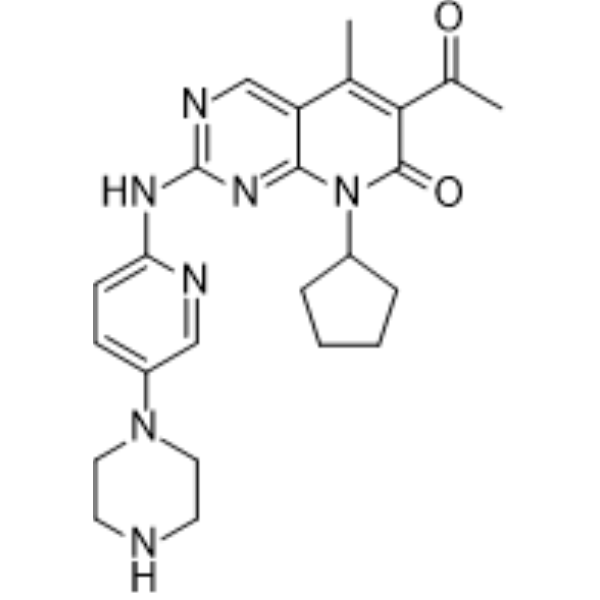
Palbociclib (PD 0332991) is an orally active selective CDK4 and CDK6 inhibitor with IC50 values of 11 and 16 nM, respectively. Palbociclib has potent anti-proliferative activity and induces cell cycle arrest in cancer cells, which can be used in the research of HR-positive and HER2-negative breast cancer and hepatocellular carcinoma .
|
-
-
- HY-137931
-
|
|
Cytochrome P450
|
Cancer
|
|
Testololactone is an aromatase inhibitor. Testololactone can be used for research of breast carcinoma .
|
-

-
- HY-169730
-
|
|
Wnt
|
Cancer
|
|
Wnt pathway inhibitor 5 (Compound 28) is wnt pathway inhibitor, with an IC50 value of < 0.003 μΜ. Wnt pathway inhibitor 5 inhibits many cancers, including ovarian teratocarcinoma cancer, breast cancer, osteosarcoma, head and neck squamous carcinoma .
|
-

-
- HY-13787
-
|
|
Akt
Ribosomal S6 Kinase (RSK)
GSK-3
|
Cancer
|
|
XL-418 is an orally active dual Akt and p70S6K inhibitor with IC50s of 1 nM for Akt1 and 2 nM for p70S6K. XL-418 inhibits the phosphorylation of ribosomal protein S6 and GSK3β. XL-418 can be used for the study of prostate carcinoma and breast cancer .
|
-

-
- HY-N6885
-
|
|
Others
|
Cancer
|
|
Puerarin-4'-O-β-D-glucopyranoside (compound 8) is a isoflavone from Pueraria lobata root (PLR). Puerarin-4'-O-β-D-glucopyranoside has estrogenic activity and anti-proliferation of MCF-7 human breast carcinoma cells .
|
-

-
- HY-50767B
-
|
PD-0332991 dihydrochloride
|
CDK
|
Cancer
|
|
Palbociclib (PD 0332991) dihydrochloride is an orally active selective CDK4 and CDK6 inhibitor with IC50 values of 11 and 16 nM, respectively. Palbociclib dihydrochloride has potent anti-proliferative activity and induces cell cycle arrest in cancer cells, which can be used in the research of HR-positive and HER2-negative breast cancer and hepatocellular carcinoma .
|
-

-
- HY-P11182
-
|
|
Bacterial
|
Infection
Cancer
|
|
ChMAP-28 is an antimicrobial peptide. ChMAP-28 can be derived from goat Capra hircus. ChMAP-28 can initiate necrotic death. ChMAP-28 is effective in killing many bacteria, including strains resistant to Polymyxin and Meropenem (HY-13678). ChMAP-28 shows antitumor activity against acute promyelocytic leukemia, epidermoid carcinoma, melanoma, breast adenocarcinoma .
|
-

-
- HY-50767D
-
|
PD 0332991 orotate
|
CDK
|
Cancer
|
|
Palbociclib (PD 0332991) orotate is an orally active selective CDK4 and CDK6 inhibitor with IC50 values of 11 and 16 nM, respectively. Palbociclib orotate has potent anti-proliferative activity and induces cell cycle arrest in cancer cells. Palbociclib orotate can be used in the research of HR-positive and HER2-negative breast cancer and hepatocellular carcinoma .
|
-

-
- HY-50767A
-
|
PD 0332991 monohydrochloride
|
CDK
|
Cancer
|
|
Palbociclib (PD 0332991) monohydrochloride is an orally active selective CDK4 and CDK6 inhibitor with IC50 values of 11 and 16 nM, respectively. Palbociclib monohydrochloride has potent anti-proliferative activity and induces cell cycle arrest in cancer cells, which can be used in the research of HR-positive and HER2-negative breast cancer and hepatocellular carcinoma .
|
-

-
- HY-A0065
-
|
PD 0332991 isethionate
|
CDK
|
Cancer
|
|
Palbociclib (PD 0332991) isethionate is an orally active selective CDK4 and CDK6 inhibitor with IC50 values of 11 and 16 nM, respectively. Palbociclib isethionate has potent anti-proliferative activity and induces cell cycle arrest in cancer cells, which can be used in the research of HR-positive and HER2-negative breast cancer and hepatocellular carcinoma .
|
-

-
- HY-165245
-
|
|
Transmembrane Glycoprotein
|
Cancer
|
|
SBI-183 is an orally active inhibitor of QSOX1 (Kd: 20 μM). SBI-183 suppresses the proliferative and invasive phenotype of renal cancer cell lines, including triple negative breast cancer cell line, lung adenocarcinoma cell line and pancreatic ductal adenocarcinoma. SBI-183 inhibits tumor growth in two human xenograft mouse models of renal cell carcinoma in vivo .
|
-

-
- HY-P990850
-
|
|
c-Myc
|
Cancer
|
|
Anti-c-myc Antibody (9E10) is a kind of mouse IgG1 chimeric antibody, targeting to human c-myc. Anti-c-myc Antibody (9E10) reacts with human c-myc, which is over-expressing in several types of human cancers including lung, breast and colon carcinomas. Anti-c-myc Antibody (9E10) can be can be used for the detections of western blot, ELISA, immunoprecipitation and flow cytometry .
|
-

-
- HY-163726
-
|
|
GLUT
EGFR
Apoptosis
|
Cancer
|
|
GLUT1/EGFR-IN-1 (compound H) is a potent inhibitor of GLUT1 and EGFR. GLUT1/EGFR-IN-1 can simultaneously act on the EGFR tyrosine kinase ATP-binding site and inhibit GLUT1-mediated energy metabolism, resulting in reductions in ATP, MMP, intra-cellular lactic acid, and EGFR nuclear transfer. GLUT1/EGFR-IN-1 can be used for nasopharyngeal carcinoma (NPC) and triple-negative breast cancer (TNBC) research .
|
-

-
- HY-50767R
-
|
PD 0332991 (Standard)
|
Reference Standards
CDK
|
Cancer
|
|
Palbociclib (Standard) is the analytical standard of Palbociclib. This product is intended for research and analytical applications. Palbociclib (PD 0332991) is an orally active selective CDK4 and CDK6 inhibitor with IC50 values of 11 and 16 nM, respectively. Palbociclib has potent anti-proliferative activity and induces cell cycle arrest in cancer cells, which can be used in the research of HR-positive and HER2-negative breast cancer and hepatocellular carcinoma .
|
-

-
- HY-P11110
-
|
|
PD-1/PD-L1
|
Cancer
|
|
RK-10 is a PD-L1 binding peptide. RK-10 conjugated with Cy5 (HY-D0821) or Biotin (HY-B0511) can used to detect PD-L1 expressing tumors with flow cytometry or immunohistochemistry. RK-10 can be used for cancers like NSCLC, breast cancer, squamous cell carcinoma and melanoma detection research .
|
-

-
- HY-119906
-
|
FW-04-806
|
HSP
Apoptosis
|
Cancer
|
|
Conglobatin (FW-04-806), a macrolide dilactone, is isolated from the culture of Streptomyces conglobatus. Conglobatin is an orally active Hsp90 inhibitor. Conglobatin can bind to the N-terminal domain of Hsp90 and disrupt Hsp90-Cdc37 complex formation. Conglobatin induces apoptosis in human breast cancer cells and esophageal squamous cell carcinoma cells, and exhibits antitumor activity in vivo .
|
-

-
- HY-163747
-
|
|
VEGFR
|
Cancer
|
|
VEGFR-2-IN-47 (compound 7g) is a potent VEGFR-2 inhibitor with an IC50 value of 0.072 µM. VEGFR-2-IN-47 can induce G2 / M phase cell cycle arrest, promote apoptosis, and boost immunomodulation by downregulating TNF-α expression and upregulating IL-2 levels in MCF-7 cells. VEGFR-2-IN-47 has the potential to be used for the research of cancer such as breast cancer and liver carcinoma .
|
-

-
- HY-50767AR
-
|
|
CDK
Reference Standards
|
Cancer
|
|
Palbociclib (monohydrochloride) (Standard) is the analytical standard of Palbociclib (monohydrochloride). This product is intended for research and analytical applications. Palbociclib (PD 0332991) monohydrochloride is an orally active selective CDK4 and CDK6 inhibitor with IC50 values of 11 and 16 nM, respectively. Palbociclib monohydrochloride has potent anti-proliferative activity and induces cell cycle arrest in cancer cells, which can be used in the research of HR-positive and HER2-negative breast cancer and hepatocellular carcinoma .
|
-

-
- HY-U00073
-
|
Butocin; Butocine
|
Others
|
Cancer
|
|
Benin is a potent cytostatic agent that can be used for the treatment of generalized carcinoma of the breast.
|
-

-
- HY-162721
-
|
|
Others
|
Cancer
|
|
Anticancer agent 242 (7) possesses anticancer activity in A2780 (IC50 = 0.24 μM, ovarian adenocarcinoma), A2780cis (IC50 = 0.45 μM, resistant derivative of A2780), CCD18Co (IC50 = 0.59 μM, non-malignant human fibroblasts), A549 (IC50 = 0.32 μM, lung carcinoma), HT29 (IC50 = 0.26 μM, colorectal adenocarcinoma), and MCF7 (IC50 = 0.55 μM, breast adenocarcinoma) .
|
-

-
- HY-112056
-
|
|
Nuclear Hormone Receptor 4A/NR4A
Apoptosis
DAPK
Isocitrate Dehydrogenase (IDH)
PERK
|
Cancer
|
|
DIM-C-pPhCO2Me is a nuclear receptor 4A1 (NR4A1) antagonist. DIM-C-pPhCO2Me induces Apoptosis. DIM-C-pPhCO2Me decreases PAX3-FOXO1A, N-Myc, Rassf4, MyoD1, Grem1, and DAPK1 proteins. DIM-C-pPhCO2Me decreases expression of TXNDC5 and IDH1, induces markers of ER stress (CHOP, ATF4 and p-PERK). DIM-C-pPhCO2Me inhibits renal cell carcinoma, breast cancer. DIM-C-pPhCO2Me can also be used in rhabdomyosarcoma research .
|
-

-
- HY-N10304
-
|
|
Apoptosis
|
Cancer
|
|
Isodispar B is an anticancer agent that inhibits the proliferation of nasopharyngeal carcinoma and breast cancer cells and induces cell apoptosis. Isodispar B is cytotoxic to a wide range of cancer cell lines .
|
-

-
- HY-N1833
-
|
|
Others
|
Cancer
|
|
3'-Geranyl-3-prenyl-2',4',5,7-tetrahydroxyflavone displays cytotoxicity of 1.32, 3.92 and 5.22 μm against the human cervical carcinoma HeLa, human breast carcinoma MCF-7, and human hepatocarcinoma Hep3B cells .
|
-

-
- HY-113627A
-
|
|
Antibiotic
Bacterial
Apoptosis
|
Infection
Inflammation/Immunology
Cancer
|
|
Undecylprodigiosin hydrochloride, a member of the family of prodiginines, is a potent antibiotic. Undecylprodigiosin hydrochloride can selectively induce apoptosis in human breast carcinoma cells independent of p53. Undecylprodigiosin hydrochloride shows immunosuppressive, anticancer properties and antimicrobial activities .
|
-

-
- HY-113627
-
|
|
Antibiotic
Bacterial
Apoptosis
|
Infection
Inflammation/Immunology
Cancer
|
|
Undecylprodigiosin, a member of the family of prodiginines, is a potent antibiotic. Undecylprodigiosin can selectively induce apoptosis in human breast carcinoma cells independent of p53. Undecylprodigiosin shows immunosuppressive, anticancer properties and antimicrobial activities .
|
-

-
- HY-13593
-
|
CB-1348; WR-139013
|
DNA Alkylator/Crosslinker
|
Cancer
|
|
Chlorambucil (CB-1348), an orally active antineoplastic agent, is a bifunctional alkylating agent belonging to the nitrogen mustard group. Chlorambucil can be used for the research of lymphocytic leukemia, ovarian and breast carcinomas, and Hodgkin’s disease .
|
-

-
- HY-N11438
-
|
|
Estrogen Receptor/ERR
|
Cancer
|
|
3'-Hydroxymirificin (compound 3) is a naural compound that can be isolated from Pueraria lobata roots. 3'-Hydroxymirificin (compound 3) possesses estrogenic activity and anti-proliferation of MCF-7 human breast carcinoma cells .
|
-

-
- HY-169579
-
|
|
Polo-like Kinase (PLK)
|
Cancer
|
|
PLK1-IN-11 (Cluster 4, 16953209) is a PLK1 inhibitor, with IC50 of 1 μM. PLK1-IN-11 can be used in research on a variety of cancers, including pancreatic, ovarian, breast, and non-small cell lung carcinoma .
|
-

-
- HY-Y0519R
-
|
|
Reference Standards
Endogenous Metabolite
|
Metabolic Disease
|
|
Pyrimidine (Standard) is the analytical standard of Pyrimidine. This product is intended for research and analytical applications. Pyrimidine is a nitrogen-containing heterocyclic compound and endogenous metabolite. Pyrimidine derivatives can be used in pancreatic cancer, triple-negative breast cancer, colon carcinoma and neuron research .
|
-

-
- HY-176560
-
|
|
Others
|
Metabolic Disease
Cancer
|
|
Raloxifene alkene (Compound 101) is a serum cholesterol clearance agent. Raloxifene alkene has significant anti-proliferation activity against breast adenocarcinoma cells. Raloxifene alkene effectively reduces serum cholesterol level without significant uterine weight and increase of number oieosinoohils in the stromallaver of ovarleclomized rat models. Raloxifene alkene can be used for post-menopausasyndrome, particularly osteoporosis, estrogen-dependent breast and uterine carcinoma research .
|
-

-
- HY-114338A
-
|
SHR-6390 hydrochloride
|
CDK
|
Cancer
|
|
Dalpiciclib (SHR-6390) hydrochloride is an orally active and highly selective inhibitor of CDK4 and 6 with IC50 values of 12.4 nM and 9.9 nM, respectively . Dalpiciclib hydrochloride shows antitumor activity against breast cancer and esophageal squamous cell carcinoma .
|
-

-
- HY-114338
-
|
SHR-6390
|
CDK
|
Cancer
|
|
Dalpiciclib (SHR-6390) is an orally active and highly selective inhibitor of CDK4 and 6 with IC50 values of 12.4 nM and 9.9 nM, respectively . Dalpiciclib shows antitumor activity against breast cancer and esophageal squamous cell carcinoma .
|
-

-
- HY-178005
-
|
|
EGFR
VEGFR
Apoptosis
|
Cancer
|
|
EGFR-IN-174 is a potent EGFR inhibitor (IC50 = 0.17 μM) and also displays VEGFR-2 inhibition (IC50 = 0.2007 μM). EGFR-IN-174 exhibits potent anticancer effects with low cytotoxicity to normal cells. EGFR-IN-174 induces G2/M and Pre-G1 phase arrest and significantly triggers apoptosis. EGFR-IN-174 can be used in cancer research, such as colorectal carcinoma, hepatocellular carcinoma, and breast cancer .
|
-

-
- HY-13593S
-
|
CB-1348-d8; WR-139013-d8
|
Isotope-Labeled Compounds
DNA Alkylator/Crosslinker
|
Cancer
|
|
Chlorambucil-d8 is the deuterium labeled Chlorambucil. Chlorambucil (CB-1348), an orally active antineoplastic agent, is a bifunctional alkylating agent belonging to the nitrogen mustard group. Chlorambucil can be used for the research of lymphocytic leukemia, ovarian and breast carcinomas, and Hodgkin’s disease .
|
-

-
- HY-13593S1
-
|
CB-1348-d8-1; WR-139013-d8-1
|
Isotope-Labeled Compounds
DNA Alkylator/Crosslinker
|
Cancer
|
|
Chlorambucil-d8-1 is the deuterium labeled Chlorambucil. Chlorambucil (CB-1348), an orally active antineoplastic agent, is a bifunctional alkylating agent belonging to the nitrogen mustard group. Chlorambucil can be used for the research of lymphocytic leukemia, ovarian and breast carcinomas, and Hodgkin’s disease .
|
-

-
- HY-157231A
-
|
|
PERK
|
Cancer
|
|
HC-5404-Fu is a PERK inhibitor with an antitumor activity. HC-5404-Fu inhibits endoplasmic reticulum stress response signalling. HC-5404-Fu sensitizes renal cell carcinoma cells to vascular endothelial growth factor (VEGF) receptor tyrosine kinase inhibitors (TKIs). HC-5404-Fu is promising for research of renal cell carcinoma, gastric cancer, metastatic breast cancer, small cell lung cancer, and other solid tumors .
|
-

-
- HY-N15577
-
|
|
Drug Derivative
|
Cancer
|
|
Antiproliferative agent-69 (Compound 1) is a prenylated kaempferol derivative found in the fresh bud’s fur of Platanus acerifolia. Antiproliferative agent-69 shows significant antiproliferative effects against human breast cancer cells (MCF-7) and human hepatocellular carcinoma cells (Hep-G2) with IC50 values of 38.2 μM and 39.5 μM, respectively. Antiproliferative agent-69 is promising for research of breast cancer and liver cancer .
|
-

-
- HY-13593R
-
|
CB-1348 (Standard); WR-139013 (Standard)
|
Reference Standards
DNA Alkylator/Crosslinker
|
Cancer
|
|
Chlorambucil (Standard) is the analytical standard of Chlorambucil. This product is intended for research and analytical applications. Chlorambucil (CB-1348), an orally active antineoplastic agent, is a bifunctional alkylating agent belonging to the nitrogen mustard group. Chlorambucil can be used for the research of lymphocytic leukemia, ovarian and breast carcinomas, and Hodgkin’s disease .
|
-

-
- HY-151618
-
|
|
Apoptosis
|
Cancer
|
|
Antitumor agent-79 shows good antiproliferative activities against hepatocellular carcinoma and breast cancer cells with IC50 values of 0.7-7.9 μM. Antitumor agent-79 induces cancer cells apoptosis and shows in vivo antitumor effects. Antitumor agent-79 can be used for the research of cancer .
|
-

-
- HY-107408
-
|
|
Hedgehog
Gli
|
Metabolic Disease
Cancer
|
|
SANT 2 is a potent Hh-signaling pathway antagonist. SANT 2 interferes with the expression of Gli1. SANT 2 causes developmental delay in medaka embryos. SANT 2 has the potential for the research of several malignancies including Gorlin syndrome (a disorder predisposing to basal cell carcinoma, medulloblastoma and rhabdomyosarcoma), prostate, pancreatic and breast cancers .
|
-

-
- HY-76574
-
|
|
Drug Intermediate
|
Cancer
|
|
3-(Trifluoromethyl)benzaldehyde is a key intermediate in organic synthesis. 3-(Trifluoromethyl)benzaldehyde can be used to synthesize 2,3-di- and 2,2,3-trisubstituted-3-methoxycarbonyl-γ-butyrolactones. 3-(Trifluoromethyl)benzaldehyde derivatives have antitumor effects against nasopharyngeal carcinoma, leukemia, and breast cancer .
|
-

-
- HY-111244
-
|
|
CDK
HSP
|
Others
|
|
DCB-3503 is an allosteric modulator of heat shock cognate protein HSC70 and an inhibitor of Cyclin D1. DCB-3503 inhibits Cyclin D1 translation by allosterically modulating the ATPase and chaperone activities of HSC70. DCB-3503 may inhibit malignancies such as hepatocellular carcinoma or breast cancer with elevated expression of cyclin D1 .
|
-

-
- HY-178004
-
|
|
VEGFR
Apoptosis
|
Cancer
|
|
VEGFR-2-IN-73 is a potent and selective VEGFR-2 inhibitor, showing selectively inhibition of VEGFR-2 (IC50 = 0.0787 μM) over EGFR (IC50 = 1.31 μM). VEGFR-2-IN-73 demonstrates potent antiproliferative activity across multiple cancer cell lines. VEGFR-2-IN-73 induces G2/M and Pre-G1 phase arrest and significantly enhances apoptosis. VEGFR-2-IN-73 can be used in cancer research, such as colorectal carcinoma, hepatocellular carcinoma, and breast cancer .
|
-

-
- HY-114668
-
|
Camptothecin-20-O-propionate
|
Topoisomerase
|
Cancer
|
|
Camptothecin-20(S)-O-propionate (CZ48), the C20-propionate ester of CPT, is a highly effective anticancer agent. Camptothecin-20(S)-O-propionate (CZ48) is a topoisomerase-Ι inhibitor .
|
-

-
- HY-114906
-
|
|
Sirtuin
|
Cancer
|
|
SIRT1/2/3-IN-2 (compound 9) is a potent SIRT inhibitor, with inhibition rates of 27%, 72%, and 71% targeting SIRT1, SIRT2, and SIRT3, respectively, at 200 μM. SIRT3 is a potential tumor suppressor or promoter, and its increased transcription may be associated with lymph node-positive breast cancer and oral squamous cell carcinoma .
|
-

-
- HY-131438
-
|
|
Topoisomerase
|
Cancer
|
|
GI-149893 is a selective topoisomerase I (TopoI) inhibitor. GI-149893 prevents DNA religation and induces irreversible DNA damage in tumor cells. GI-149893 is promising for research of cancers (e.g., colon carcinoma HT-29/SW-48, breast MX-1, prostate PC-3 xenografts) .
|
-

-
- HY-162616
-
|
|
HDAC
Apoptosis
|
Cancer
|
|
SelSA is a selective, orally active inhibitor for histone deacetylase 6 (HDAC6) with IC50 of 56.9 nM. SelSA inhibits the phosphorylation of ERK1/2. SelSA inhibits the proliferation of breast cancer cells and hepatocellular carcinoma cells with IC50 of 0.58-2.6 μM, inhibits cell migration and invasion of Huh7, and induces apoptosis. SelSA exhibits antitumor activity in mouse model .
|
-

- HY-122844B
-
|
BI-853520 tosylate; IN-10018 tosylate
|
FAK
|
Cancer
|
|
Ifebemtinib (tosylate) (BI-853520 (tosylate); IN-10018 (tosylate)) is a highly selective PTK2 kinase inhibitor. Ifebemtinib (tosylate) demonstrates anti-tumor activity. Ifebemtinib (tosylate) inhibits FAK autophosphorylation in prostate carcinoma cells. Ifebemtinib (tosylate) can inhibit spheroid formation and orthotopic tumor growth in vivo. Ifebemtinib (tosylate) can be studied in anticancer research such as solid tumors, breast cancer, and malignant pleural mesothelioma .
|
-

- HY-W654305
-
|
PD 0332991-d4
|
Isotope-Labeled Compounds
CDK
|
Cancer
|
|
Palbociclib-d4 is deuterium labeled Palbociclib. Palbociclib (PD 0332991) is an orally active selective CDK4 and CDK6 inhibitor with IC50 values of 11 and 16 nM, respectively. Palbociclib has potent anti-proliferative activity and induces cell cycle arrest in cancer cells, which can be used in the research of HR-positive and HER2-negative breast cancer and hepatocellular carcinoma .
|
-

- HY-119272
-
EF24
2 Publications Verification
|
ERK
Caspase
NF-κB
Apoptosis
p38 MAPK
Reactive Oxygen Species (ROS)
|
Inflammation/Immunology
Cancer
|
|
EF24, a curcumin analogue, is an NF-kB inhibitor with great anti-tumor efficacy and oral bioavailability via deactivation of the MAPK/ERK signaling pathway in oral squamous cell carcinoma (OSCC). EF24 is active against melanoma and breast cancer cell lines with GI50 values of 0.7 μM and 0.8 μM, respectively. EF24 induces cell cycle arrest and apoptosis in MDA-MB-231 human breast cancer cells and DU-145 human prostate cancer cells. EF24 increases the levels of activated caspase 3 and 9, and decreases the phosphorylated forms of MEK1 and ERK .
|
-

- HY-13752
-
|
|
HSP
|
Cancer
|
|
STA-1474 is an orally active and highly selective HSP90 inhibitor. STA-1474 can trigger tumor cell apoptosis. STA-1474 demonstrates significant antitumor efficacy in spontaneous canine cancer models (e.g., osteosarcoma, thyroid carcinoma). STA-1474 is promising for research of solid tumors (e.g., osteosarcoma, breast cancer) and HSP90-driven cancers .
|
-

- HY-175265
-
|
|
c-Myc
Ras
Apoptosis
|
Cancer
|
|
PQ32 is an antitumor agent that targets c-MYC Pu27 and KRAS G-quadruplexes. PQ32 inhibits tumor cell proliferation, arrests the cell cycle at the G2 phase, and induces apoptosis. PQ32 inhibits the expression of c-MYC and KRAS genes. PQ32 can inhibit tumor growth in mice and is used in the study of lymphoma, breast cancer, lung cancer, hepatocellular carcinoma, colorectal cancer, and other cancers .
|
-

- HY-W029411
-
|
|
Drug Derivative
|
Cancer
|
|
4-(Benzo[d]oxazol-2-yl)aniline is a potent antitumor agent. 4-(Benzo[d]oxazol-2-yl)aniline has inhibitory activity against mammary carcinoma cell lines .
|
-
![4-(Benzo[d]oxazol-2-yl)aniline](//file.medchemexpress.eu/product_pic/hy-w029411.gif)
- HY-111065
-
|
|
mTOR
|
Cancer
|
|
OXA-01 is a potent mTORC1 and mTORC2 inhibitor, with IC50 values of 29 nM and 7 nM, respectively .
|
-

- HY-160049
-
|
|
Nucleoside Antimetabolite/Analog
Biochemical Assay Reagents
|
Cancer
|
|
BC15 aptamer sodium is an ssDNA aptamer targeting the intracellular protein hnRNP A1, which is highly expressed in cancerous liver tissue. BC15 aptamer sodium specifically recognizes breast cancer cells and can be used to detect cancer cells in other pathological types of breast cancer tissue .
|
-

- HY-162006
-
|
|
Pim
Apoptosis
Autophagy
|
Metabolic Disease
Inflammation/Immunology
Cancer
|
|
Pim-1 kinase inhibitor 8 is a potent PIM-1 inhibitor with an IC50 value of 14.3 nM. Pim-1 kinase inhibitor 8 impedes cell proliferation and migration through PIM-1 inhibition and the induction of both apoptosis and autophagy. Pim-1 kinase inhibitor 8 inhibits solid tumor growth in Solid Ehrlich Carcinoma (SEC)-bearing mice. Pim-1 kinase inhibitor 8 can be used for breast and liver cancer research .
|
-

- HY-161740
-
|
|
AUTOTACs
Estrogen Receptor/ERR
Autophagy
|
Cancer
|
|
PHTPP-1304 is a PHTPP-based autophagy targeting chimera (AUTOTAC). PHTPP-1304 induces the degradation of estrogen receptor ERβ through the autophagy pathway, rather than ubiquitination (DC50 ≈ 2 nM, in HEK293T cells; < 100 nM in ACHN renal carcinoma and MCF-7 breast cancer cells). PHTPP-1304 can induce the self-oligomerization of p62. PHTPP-1304 can be used to study various cancers mediated by ERβ .
|
-

- HY-163381
-
|
|
Others
|
Cancer
|
|
Antiproliferative agent-48 (compound PC-A1) shows selective antiproliferative activity against triple-negative breast cancer (TNBC) cells .
|
-

- HY-158058
-
|
|
Toll-like Receptor (TLR)
Pyroptosis
|
Inflammation/Immunology
Cancer
|
|
WYJ-2 is a selective agonist for toll-like receptor 2/1 (TLR2/1) with EC50 of 18.57 nM in human TLR2 and TLR1 transient-cotransfected HEK 293T cells. WYJ-2 induces pyroptosis and exhibits anticancer activity against non-small cell lung cancer (NSCLC) .
|
-

- HY-P10762
-
|
CBP-1008; LDC 10B
|
Peptide-Drug Conjugates (PDCs)
Folate Receptor (FR)
TRP Channel
|
Cancer
|
|
Ricorfotide vedotin (CBP-1008) is a dual-ligand peptide-drug conjugate (PDC) conjugated to MMAE (HY-15162), targeting Folate receptor α (FRα) and TRPV6. Ricorfotide vedotin binds to FRα with high affinity and TRPV6 with low affinity. Ricorfotide vedotin has antitumor activity, and can be used in advanced solid tumor research (eg: colorectal cancer, breast cancer, non-small cell lung cancer, ovarian cancer, adrenocortical carcinoma and follicular dendritic cell sarcoma) .
|
-

- HY-116861
-
|
|
MetAP
|
Cancer
|
|
A-357300 is a reversible and selective MetAP2 inhibitor with IC50s of 0.12 and 57 μM against MetAP2 and MetAP1. A-357300 induces cytostasis by cell cycle arrest at the G1 phase selectively in endothelial cells and in a subset of tumor cells. A-357300 inhibits angiogenesis both in vitro and in vivo and shows potent antitumor efficacy in carcinoma, sarcoma, and neuroblastoma murine models. A-357300 can be used for the studies of neuroblastoma, fibrosarcoma and breast cancer .
|
-

- HY-179016
-
|
|
Ferroptosis
Apoptosis
Mitochondrial Metabolism
Calcium Channel
|
Cancer
|
|
Ferroptosis/apoptosis inducer-3 (Compound 34) is a Ferroptosis and Apoptosis inducer. Ferroptosis/apoptosis inducer-3 induces both Ferroptosis and Apoptosis by causing G2/M phase cell cycle arrest, disrupting mitochondrial membrane potentials, promoting lipid peroxidation, and increasing the levels of Ca 2+ and Fe 2+ through the activation of calcium/calmodulin signaling. Ferraplasm/apoptosis inducer-3 shows anticancer effects against cervical cancer, adenocarcinoma, breast cancer, colon cancer, and colorectal carcinoma .
|
-

- HY-N0885
-
|
Telobufotoxin; Telocinobufogenin
|
JAK
STAT
mTOR
PI3K
Akt
Polo-like Kinase (PLK)
Na+/K+ ATPase
Apoptosis
Bacterial
|
Infection
Cardiovascular Disease
Neurological Disease
Inflammation/Immunology
Cancer
|
|
Telocinobufagin (Telobufotoxin; Telocinobufogenin) is an orally active bufadienolide with potential anti-tumor effects. Telocinobufagin exerts its anti-cancer effects on non-small cell carcinoma, osteosarcoma, thyroid cancer, breast cancer and head and neck squamous cell carcinoma by inhibiting the STAT3, JAK2/STAT3, LARP1-mTOR, PI3K/Akt/Snail and PLK1 pathways, and can also induce tumor cell apoptosis. Telocinobufagin enhances the Th1 immune response and protects against Salmonella typhimurium infection. Telocinobufagin has a strong cardiac-stimulating effect by inhibiting the activity of Na +/K +-ATPase, and it can promote renal fibrosis. Telocinobufagin demonstrates non-opioid analgesic effects in various acute pain models .
|
-

- HY-105166A
-
|
NSC-659687
|
Drug Derivative
|
Cancer
|
|
S 16020-2 is a new Olivacine derivative. S 16020-2 shows antitumor activity S 16020-2 has anti-cancer activity against leukemia, sarcoma, lung cancer, non-small cell lung cancer, and breast cancer .
|
-

- HY-N13772
-
|
(+)-Dihydroisorhamnetin
|
Apoptosis
|
Cancer
|
|
3'-O-Methyltaxifolin ((+)-Dihydroisorhamnetin) is a dihydroflavanol found in Pulicaria jaubertii. A mixture of these alcohol compounds including 3'-O-Methyltaxifolin found in Pulicaria jaubertii exhibits antitumor activity with IC50 values of 19.1 μg, 20.0 μg, and 24.1 μg against prostate cancer (PC-3), breast cancer (MCF-7), and hepatocellular carcinoma (HepG-2) cell lines, respectively. Furthermore, 3'-O-Methyltaxifolin can induce cell apoptosis, making it a promising candidate for anticancer research. .
|
-

- HY-W110138
-
|
|
DNA/RNA Synthesis
Cytochrome P450
ROCK
|
Cancer
|
|
Chloroxoquinoline is an anticancer agent. Chloroxoquinoline damages the DNA templates of cancer cells, inducing DNA breaks and cell death, and inhibits cell invasion via down-regulating Rho/Rho kinase signaling pathway. Chloroxoquinoline enhances the radiation sensitivity of Lewis lung cancer cells and xenograft tumors in tumor-bearing mouse models but decreases efficacy after long term exposure in rat models by auto-induction effects on CYP1A and CYP3A. Chloroxoquinoline has a broad-spectrum anticancer activity, such as non-small-cell lung carcinoma (NSCLC), breast cancer and gastric cancer .
|
-

- HY-17509
-
|
SC 046; SC 46; SC 59046
|
COX
Apoptosis
|
Neurological Disease
Inflammation/Immunology
Cancer
|
|
Deracoxib (SC 046; SC 59046), an orally active COX-2 inhibitor, is a veterinary nonsteroidal anti-inflammatory agent used exclusively in dogs. Deracoxib inhibits the COX-2 enzyme to reduce the production of prostaglandins, effectively controlling pain and inflammation after canine soft tissue surgery. Deracoxib reduces the inhibition of COX-1 and lowers the risk of gastrointestinal side effects. Deracoxib induces tumor cell cycle arrest and apoptosis, and shows anti-tumor activity in canine osteosarcoma, breast tumors and bladder transitional cell carcinomas .
|
-

- HY-149486
-
|
|
FGFR
|
Cancer
|
|
FGFR1 inhibitor 7 (compound 5) is an inhibitor of FGFR1 Tyrosine Kinase with IC50 value of 0.33 nM. FGFR1 inhibitor 7 shows broad-spectrum cytotoxicity agasinst human cancer cell lines, and inhibits MOLT3 cells with IC50 of 2.1 μM .
|
-

- HY-110147B
-
|
|
Furin
|
Infection
|
|
SSM3 tetraTFA hydrate is a potent synthetic furin inhibitor with an EC50 and a Ki of 54 nM and 12 nM, respectively. SSM3 tetraTFA hydrate is able to block furin-dependent cell surface processing of anthrax protective antigen-83 in vitro .
|
-

- HY-110147A
-
|
|
Furin
|
Infection
|
|
SSM3 tetraTFA is a potent synthetic furin inhibitor with an EC50 and a Ki of 54 nM and 12 nM, respectively. SSM3 tetraTFA is able to block furin-dependent cell surface processing of anthrax protective antigen-83 in vitro .
|
-

- HY-162239
-
|
|
Others
|
Cancer
|
|
Anticancer agent 187 (Compound 4) is an anticancer agent that can target sarcoma cells in tumor-bearing mouse models. Anticancer agent 187 exhibits cytotoxic activity against HepG2, Caco2, and MCF-7 cells .
|
-

- HY-147515
-
|
|
FGFR
|
Cancer
|
|
FGFR4-IN-11 (Compound 30) is a potent, selective, covalent FGFR4 inhibitor with an IC50 of 2.1 nM. FGFR4-IN-11 significantly inhibits the FGF19/FGFR4 signaling pathway and shows antitumor activity .
|
-

- HY-121255
-
|
(R)-Cryptopleurine; NSC 19912
|
TMV
|
Cancer
|
|
(–)-Cryptopleurine is an alkaloid that has been found in Lauraceae and has diverse biological activities. It inhibits the growth of human A375 melanoma, A431 epidermoid carcinoma, A549 lung, MES-SA uterine sarcoma, and MCF-7 breast cancer cells (IC50=3 nM for all).2 (–)-Cryptopleurine inhibits hypoxia-induced gene expression in a hypoxia response element (HRE) reporter assay (IC50=8.7 nM).3 (–)-Cryptopleurine (500 μg/mL) prevents lesion formation in tobacco (N. tabacum) plants infected with tobacco mosaic virus (TMV). It also inhibits protein synthesis by yeast and mammalian ribosomes.
|
-

- HY-175857
-
|
|
HDAC
Apoptosis
|
Cancer
|
|
HDAC-IN-92 is a pan-HDAC inhibitor with an IC50 of 12.58 µM in A2780 cells. HDAC-IN-92 demonstrates broad-spectrum, notable cytotoxic activity against a range of human cancer cell lines, including ovarian, liver, and breast carcinomas. HDAC-IN-92 causes apoptosis and demonstrates a notable decrease in tumor cell colony formation. HDAC-IN-92 inhibits the formation of blood vessels in the chick chorioallantoic membrane (CAM). HDAC-IN-92 exhibits anti-tumor effect in a 4T1 tumor-bearing mouse model. HDAC-IN-92 can be used for research targeting solid tumor .
|
-

- HY-17509R
-
|
SC 046 (Standard); SC 46 (Standard); SC 59046 (Standard)
|
Reference Standards
COX
Apoptosis
|
Neurological Disease
Inflammation/Immunology
Cancer
|
|
Deracoxib (SC 046; SC 59046) (Standard) is the analytical standard of Deracoxib (HY-17509). This product is intended for research and analytical applications. Deracoxib, an orally active COX-2 inhibitor, is a veterinary nonsteroidal anti-inflammatory agent used exclusively in dogs. Deracoxib inhibits the COX-2 enzyme to reduce the production of prostaglandins, effectively controlling pain and inflammation after canine soft tissue surgery. Deracoxib reduces the inhibition of COX-1 and lowers the risk of gastrointestinal side effects. Deracoxib induces tumor cell cycle arrest and apoptosis, and shows anti-tumor activity in canine osteosarcoma, breast tumors and bladder transitional cell carcinomas
|
-

- HY-118783
-
|
(±)-2-Hexyl-4-pentynoic acid
|
HDAC
HSP
|
Neurological Disease
Cancer
|
|
2-Hexyl-4-pentynoic acid ((±)-2-Hexyl-4-pentynoic acid), a Valproic acid (HY-10585) derivative, exhibits potential roles of HDAC inhibition (IC50 = 13 μM) and HSP70 induction. 2-Hexyl-4-pentynoic acid causes histone hyperacetylation and protect against glutamate-induced excitotoxicity in cultured neurons. 2-Hexyl-4-pentynoic acid can be used for the study of breast carcinoma. 2-Hexyl-4-pentynoic acid is a click chemistry reagent, it contains an Alkyne group and can undergo copper-catalyzed azide-alkyne cycloaddition (CuAAc) with molecules containing Azide groups .
|
-

- HY-17509S
-
|
SC 046-d3; SC 46-d3; SC 59046-d3
|
Isotope-Labeled Compounds
COX
Apoptosis
|
Neurological Disease
Inflammation/Immunology
Cancer
|
|
Deracoxib-d3 (SC 046-d3; SC 59046-d3) is the deuterium labeled Deracoxib (HY-17509). Deracoxib, an orally active COX-2 inhibitor, is a veterinary nonsteroidal anti-inflammatory agent used exclusively in dogs. Deracoxib inhibits the COX-2 enzyme to reduce the production of prostaglandins, effectively controlling pain and inflammation after canine soft tissue surgery. Deracoxib reduces the inhibition of COX-1 and lowers the risk of gastrointestinal side effects. Deracoxib induces tumor cell cycle arrest and apoptosis, and shows anti-tumor activity in canine osteosarcoma, breast tumors and bladder transitional cell carcinomas.
|
-

- HY-174262
-
|
|
Interleukin Related
|
Cancer
|
|
IL4I1-IN-1 (Compound Ex 232 pg 200) is a selective interleukin 4-induced protein 1 (IL4I1) inhibitor. IL4I1-IN-1 inhibits IL4I1-mediated oxidative deamination of phenylalanine, reducing the production of phenylpyruvate, H2O2 and NH3. IL4I1-IN-1 is promising for research of cancers with high IL4I1 expression, such as endometrial carcinoma, ovarian cancer, and triple-negative breast cancer .
|
-

- HY-W703540
-
|
SC 046-d4; SC 46-d4; SC 59046-d4
|
Isotope-Labeled Compounds
Apoptosis
COX
|
Neurological Disease
Inflammation/Immunology
Cancer
|
|
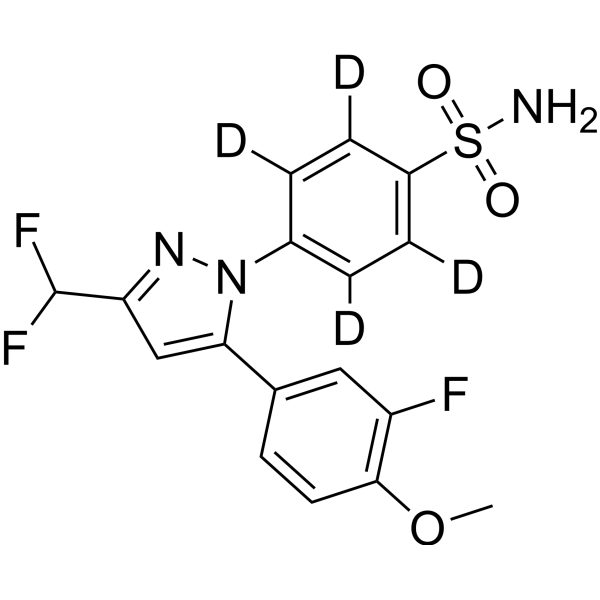
Deracoxib-d4 (SC 046-d4; SC 59046--d4) is deuterium labeled Deracoxib (HY-17509). Deracoxib, an orally active COX-2 inhibitor, is a veterinary nonsteroidal anti-inflammatory agent used exclusively in dogs. Deracoxib inhibits the COX-2 enzyme to reduce the production of prostaglandins, effectively controlling pain and inflammation after canine soft tissue surgery. Deracoxib reduces the inhibition of COX-1 and lowers the risk of gastrointestinal side effects. Deracoxib induces tumor cell cycle arrest and apoptosis, and shows anti-tumor activity in canine osteosarcoma, breast tumors and bladder transitional cell carcinomas.
|
-
- HY-Y1103
-
|
Ferrous sulfate heptahydrate, 99%
|
Biochemical Assay Reagents
|
Cardiovascular Disease
Cancer
|
|
Iron(II) sulfate heptahydrate, 99% (Ferrous sulfate heptahydrate, 99%) is an orally active iron salt. Iron(II) sulfate heptahydrate, 99% replaces iron found in hemoglobin and myoglobin, allowing for the transportation of oxygen via hemoglobin. Iron(II) sulfate heptahydrate, 99% is mainly used for the prevention of iron-deficiency anemia. Iron(II) sulfate heptahydrate, 99% also has anti-tumor effects on chronic myeloid leukemia and breast cancer .
|
-

- HY-17547
-
|
|
HSP
|
Cancer
|
|
NMS-E973 is a potent and selective inhibitor of HSP90. NMS-E973 binds to the ATP binding site of Hsp90α with a DC50 of <10 nM. NMS-E973 is able to cross the blood-brain barrier (BBB). Antitumor efficacy .
|
-

- HY-Y1103A
-
|
Ferrous sulfate heptahydrate, for cell culture, 99%
|
Biochemical Assay Reagents
|
Cardiovascular Disease
Cancer
|
|
Iron(II) sulfate heptahydrate, for cell culture, 99% (Ferrous sulfate heptahydrate, for cell culture, 99%) is an orally active iron salt. Iron(II) sulfate heptahydrate, for cell culture, 99% replaces iron found in hemoglobin and myoglobin, allowing for the transportation of oxygen via hemoglobin. Iron(II) sulfate heptahydrate, for cell culture, 99% is mainly used for the prevention of iron-deficiency anemia. Iron(II) sulfate heptahydrate, for cell culture, 99% also has anti-tumor effects on chronic myeloid leukemia and breast cancer .
|
-

- HY-16931
-
|
|
Arp2/3 Complex
|
Cancer
|
|
SMIFH2 is a formin specific inhibitor. SMIFH2 inhibits actin polymerization by Formins and affects the actin cytoskeleton .
|
-

- HY-175302
-
|
|
Trk Receptor
Apoptosis
|
Cancer
|
|
TRK-IN-32 is a potent TRK inhibitor. TRK-IN-32 potently inhibits TRK WT, TRK G595R and TRK G667C with IC50 values of 0.08 nM, 2.14 nM and 0.68 nM, respectively. TRK-IN-32 also demonstrates antiproliferative activity against a panel of Ba/F3 cell lines transformed with wild type, xDFG, solvent-front as well as gatekeeper mutant TRK fusion proteins. TRK-IN-32 induces apoptosis of Ba/F3-TRKA WT and Ba/F3-TRKA G667C cells.TRK-IN-32 can be used for the study of various cancers (such as thyroid cancer, secretory breast carcinoma) .
|
-

- HY-106662R
-
|
|
Molecular Glues
Topoisomerase
Parasite
|
Infection
Cancer
|
|
Chloroquinoxaline sulfonamide (Standard) is the analytical standard of Chloroquinoxaline sulfonamide. This product is intended for research and analytical applications. Chloroquinoxaline sulfonamide (Chloroquinoxaline), a structural analogue of sulfaquinoxaline, is a topoisomerase II alpha/beta poison. Chloroquinoxaline sulfonamide is used to control coccidiosis in poultry, rabbit, sheep, and cattle . Antitumor activity .
|
-

- HY-P990106
-
|
|
VEGFR
Apoptosis
|
Inflammation/Immunology
Cancer
|
|
Anti-Mouse VEGFR-2 Antibody (DC101) is a rat anti-mouse VEGFR2 monoclonal antibody. Anti-Mouse VEGFR-2 Antibody (DC101) inhibits tumor angiogenesis by blocking the binding of VEGF and VEGFR2. Anti-Mouse VEGFR-2 Antibody (DC101) promotes immune cell infiltration and induces tumor cell apoptosis. Anti-Mouse VEGFR-2 Antibody (DC101) can be used for researches on various types of cancer such as melanoma, lung cancer and breast cancer .
|
-

- HY-151620
-
|
|
Apoptosis
|
Cancer
|
|
Antitumor agent-80 (compound 11) is an orally active and potent antitumor agent. Antitumor agent-80 induces apoptosis in tumor cells .
|
-

- HY-106662
-
|
Chloroquinoxaline; NSC-339004
|
Molecular Glues
Topoisomerase
Parasite
|
Infection
Cancer
|
|
Chloroquinoxaline sulfonamide (Chloroquinoxaline), a structural analogue of sulfaquinoxaline, is a topoisomerase II alpha/beta poison. Chloroquinoxaline sulfonamide is used to control coccidiosis in poultry, rabbit, sheep, and cattle . Antitumor activity .
|
-

- HY-136780
-
|
|
Amyloid-β
Apoptosis
CD47
Huntingtin
|
Neurological Disease
Cancer
|
|
SEN177 is an orally effect glutamine cyclase (QC) inhibitor. The Ki of SEN177 for human glutamine cyclase (hQC) is 20 nM, and the IC50 is 13 nM. SEN177 interferes with the interaction between CD47 and SIRRPα, and has anti-tumor activity. SEN177 reduces aggregation and apoptosis caused by HTT mutation in Huntington model, and can be used in the study of neurodegenerative diseases .
|
-

- HY-110339
-
|
|
ROCK
Apoptosis
|
Cancer
|
|
RKI 1447 dihydrochloride is a potent and selective ROCK inhibitor with IC50s of 14.5 and 6.2 nM for ROCK1 and ROCK2, respectively . RKI 1447 dihydrochloride suppresses colorectal carcinoma cell growth and promotes apoptosis .
|
-

- HY-N12887
-
|
|
Mitochondrial Metabolism
|
Others
Cancer
|
|
Mycothiazole is an inhibitor for mitochondrial electron transport chain (ETC) complex I. Mycothiazole exhibits cytotoxicity in cancer cells Huh7 (IC50 is 55.8 μM), U87 and MCF7. Mycothiazole induces apoptosis in Huh7. Mycothiazole utilizes the unfolded protein response (UPR) and heat shock response (HSR) pathway involved transcription factors ATFS-1 and HSF1, to extend the lifespan of C. elegans .
|
-

- HY-N12209
-
|
|
Others
|
Cancer
|
|
Neohelmanthicin A (compound 3A) is a phenylpropanoid compound with antitumor activity. The IC50s of Neohelmanthicin A for inhibiting leukemia cell line EL4, breast cancer cell line S180 and breast cancer cell line MCF7 are 0.13 μM, 7 μM and 23 μM respectively .
|
-

- HY-110353
-
|
|
Toll-like Receptor (TLR)
|
Inflammation/Immunology
Cancer
|
|
CU-T12-9 is a specific TLR1/2 agonist with EC50 of 52.9 nM in HEK-Blue hTLR2 SEAP assay. CU-T12-9 activates both the innate and the adaptive immune systems. CU-T12-9 selectively activates the TLR1/2 heterodimer, not TLR2/6. CU-T12-9 signals through NF-κB and invokes an elevation of the downstream effectors TNF-α, IL-10, and iNOS .
|
-

- HY-161618
-
|
|
JAK
EGFR
PI3K
IGF-1R
GSK-3
|
Inflammation/Immunology
Endocrinology
|
|
MJ04 is a selective inhibitor for Janus Kinase 3 (JAK 3) with an IC50 of 2.03 nM. MJ04 inhibits T cell differentation and inhibits the proinfammatory cytokines in Lipopolysaccharides (HY-D1056)‑induced macrophages. MJ04 exhibits good pharmacokinetic characters in mice, promotes hair growth in DHT-induced androgenetic alopecia (AGA) in athymic mice model, without significant toxicity (LD50 >2 g/kg) .
|
-

- HY-118762
-
|
|
Cathepsin
|
Cancer
|
|
KGP94 is a selective inhibitor of cathepsin L with an IC50 of 189 nM . KGP94 inhibits migration and invasion of metastatic carcinoma and shows low cytotoxicity (GI50=26.9 µM) against various human cell lines .
|
-

- HY-133136
-
-

- HY-136241
-
|
|
NAMPT
Caspase
|
Cancer
|
|
OT-82 is a potent, selective and orally active inhibitor of NAMPT. OT-82 is selectively toxic to cells of hematopoietic origin and?induces cell death in a NAD + dependent manner. OT-82 is a promising antineoplastic agent for the study of hematological malignancies .
|
-

- HY-N3210
-
|
|
Others
|
Cancer
|
|
Nb-Demethylechitamine is an alkaloid isolated from the methanol extract of Alstonia rostrata twigs. Nb-Demethylechitamine has in vitro cytotoxic activity against several human cancer cell lines, including human myeloid leukemia HL-60, liver cancer SMMC-7721, lung cancer A-549, breast cancer MCF-7, and colon cancer SW480 cells .
|
-

| Cat. No. |
Product Name |
Type |
-
- HY-Y1103
-
|
Ferrous sulfate heptahydrate, 99%
|
Biochemical Assay Reagents
|
|
Iron(II) sulfate heptahydrate, 99% (Ferrous sulfate heptahydrate, 99%) is an orally active iron salt. Iron(II) sulfate heptahydrate, 99% replaces iron found in hemoglobin and myoglobin, allowing for the transportation of oxygen via hemoglobin. Iron(II) sulfate heptahydrate, 99% is mainly used for the prevention of iron-deficiency anemia. Iron(II) sulfate heptahydrate, 99% also has anti-tumor effects on chronic myeloid leukemia and breast cancer .
|
-
- HY-Y1103A
-
|
Ferrous sulfate heptahydrate, for cell culture, 99%
|
Biochemical Assay Reagents
|
|
Iron(II) sulfate heptahydrate, for cell culture, 99% (Ferrous sulfate heptahydrate, for cell culture, 99%) is an orally active iron salt. Iron(II) sulfate heptahydrate, for cell culture, 99% replaces iron found in hemoglobin and myoglobin, allowing for the transportation of oxygen via hemoglobin. Iron(II) sulfate heptahydrate, for cell culture, 99% is mainly used for the prevention of iron-deficiency anemia. Iron(II) sulfate heptahydrate, for cell culture, 99% also has anti-tumor effects on chronic myeloid leukemia and breast cancer .
|
| Cat. No. |
Product Name |
Target |
Research Area |
-
- HY-P11182
-
|
|
Bacterial
|
Infection
Cancer
|
|
ChMAP-28 is an antimicrobial peptide. ChMAP-28 can be derived from goat Capra hircus. ChMAP-28 can initiate necrotic death. ChMAP-28 is effective in killing many bacteria, including strains resistant to Polymyxin and Meropenem (HY-13678). ChMAP-28 shows antitumor activity against acute promyelocytic leukemia, epidermoid carcinoma, melanoma, breast adenocarcinoma .
|
-
- HY-P11110
-
|
|
PD-1/PD-L1
|
Cancer
|
|
RK-10 is a PD-L1 binding peptide. RK-10 conjugated with Cy5 (HY-D0821) or Biotin (HY-B0511) can used to detect PD-L1 expressing tumors with flow cytometry or immunohistochemistry. RK-10 can be used for cancers like NSCLC, breast cancer, squamous cell carcinoma and melanoma detection research .
|
-
- HY-P10762
-
|
CBP-1008; LDC 10B
|
Peptide-Drug Conjugates (PDCs)
Folate Receptor (FR)
TRP Channel
|
Cancer
|
|
Ricorfotide vedotin (CBP-1008) is a dual-ligand peptide-drug conjugate (PDC) conjugated to MMAE (HY-15162), targeting Folate receptor α (FRα) and TRPV6. Ricorfotide vedotin binds to FRα with high affinity and TRPV6 with low affinity. Ricorfotide vedotin has antitumor activity, and can be used in advanced solid tumor research (eg: colorectal cancer, breast cancer, non-small cell lung cancer, ovarian cancer, adrenocortical carcinoma and follicular dendritic cell sarcoma) .
|
| Cat. No. |
Product Name |
Target |
Research Area |
-
- HY-P990106
-
|
|
VEGFR
Apoptosis
|
Inflammation/Immunology
Cancer
|
|
Anti-Mouse VEGFR-2 Antibody (DC101) is a rat anti-mouse VEGFR2 monoclonal antibody. Anti-Mouse VEGFR-2 Antibody (DC101) inhibits tumor angiogenesis by blocking the binding of VEGF and VEGFR2. Anti-Mouse VEGFR-2 Antibody (DC101) promotes immune cell infiltration and induces tumor cell apoptosis. Anti-Mouse VEGFR-2 Antibody (DC101) can be used for researches on various types of cancer such as melanoma, lung cancer and breast cancer .
|
-
- HY-P990850
-
|
|
c-Myc
|
Cancer
|
|
Anti-c-myc Antibody (9E10) is a kind of mouse IgG1 chimeric antibody, targeting to human c-myc. Anti-c-myc Antibody (9E10) reacts with human c-myc, which is over-expressing in several types of human cancers including lung, breast and colon carcinomas. Anti-c-myc Antibody (9E10) can be can be used for the detections of western blot, ELISA, immunoprecipitation and flow cytometry .
|
| Cat. No. |
Product Name |
Category |
Target |
Chemical Structure |
-
- HY-Y0519
-
-
-
- HY-123901
-
-
-
- HY-119906
-
-
-
- HY-N6885
-
-
-
- HY-N10304
-
-
-
- HY-N1833
-
-
-
- HY-113627
-
-
-
- HY-N11438
-
-
-
- HY-Y0519R
-
-
-
- HY-N15577
-
|
|
Flavonols
Platanus acerifolia Aiton) Willd.
Flavonoids
Source classification
Platanaceae
Plants
|
Drug Derivative
|
|
Antiproliferative agent-69 (Compound 1) is a prenylated kaempferol derivative found in the fresh bud’s fur of Platanus acerifolia. Antiproliferative agent-69 shows significant antiproliferative effects against human breast cancer cells (MCF-7) and human hepatocellular carcinoma cells (Hep-G2) with IC50 values of 38.2 μM and 39.5 μM, respectively. Antiproliferative agent-69 is promising for research of breast cancer and liver cancer .
|
-
-
- HY-N0885
-
|
Telobufotoxin; Telocinobufogenin
|
Animals
Classification of Application Fields
Source classification
Other Diseases
Disease Research Fields
Steroids
|
JAK
STAT
mTOR
PI3K
Akt
Polo-like Kinase (PLK)
Na+/K+ ATPase
Apoptosis
Bacterial
|
|
Telocinobufagin (Telobufotoxin; Telocinobufogenin) is an orally active bufadienolide with potential anti-tumor effects. Telocinobufagin exerts its anti-cancer effects on non-small cell carcinoma, osteosarcoma, thyroid cancer, breast cancer and head and neck squamous cell carcinoma by inhibiting the STAT3, JAK2/STAT3, LARP1-mTOR, PI3K/Akt/Snail and PLK1 pathways, and can also induce tumor cell apoptosis. Telocinobufagin enhances the Th1 immune response and protects against Salmonella typhimurium infection. Telocinobufagin has a strong cardiac-stimulating effect by inhibiting the activity of Na +/K +-ATPase, and it can promote renal fibrosis. Telocinobufagin demonstrates non-opioid analgesic effects in various acute pain models .
|
-
-
- HY-N13772
-
|
(+)-Dihydroisorhamnetin
|
Flavanonols
Flavonoids
Pulicaria jaubertii E.Gamal-Eldin
Source classification
Asteraceae
Plants
|
Apoptosis
|
|
3'-O-Methyltaxifolin ((+)-Dihydroisorhamnetin) is a dihydroflavanol found in Pulicaria jaubertii. A mixture of these alcohol compounds including 3'-O-Methyltaxifolin found in Pulicaria jaubertii exhibits antitumor activity with IC50 values of 19.1 μg, 20.0 μg, and 24.1 μg against prostate cancer (PC-3), breast cancer (MCF-7), and hepatocellular carcinoma (HepG-2) cell lines, respectively. Furthermore, 3'-O-Methyltaxifolin can induce cell apoptosis, making it a promising candidate for anticancer research. .
|
-
-
- HY-N12887
-
|
|
Natural Products
Marine natural products
Source classification
Sponge
|
Mitochondrial Metabolism
|
|
Mycothiazole is an inhibitor for mitochondrial electron transport chain (ETC) complex I. Mycothiazole exhibits cytotoxicity in cancer cells Huh7 (IC50 is 55.8 μM), U87 and MCF7. Mycothiazole induces apoptosis in Huh7. Mycothiazole utilizes the unfolded protein response (UPR) and heat shock response (HSR) pathway involved transcription factors ATFS-1 and HSF1, to extend the lifespan of C. elegans .
|
-
-
- HY-N12209
-
-
-
- HY-N3210
-
-
| Cat. No. |
Product Name |
Chemical Structure |
-
- HY-W654305
-
|
|
|
Palbociclib-d4 is deuterium labeled Palbociclib. Palbociclib (PD 0332991) is an orally active selective CDK4 and CDK6 inhibitor with IC50 values of 11 and 16 nM, respectively. Palbociclib has potent anti-proliferative activity and induces cell cycle arrest in cancer cells, which can be used in the research of HR-positive and HER2-negative breast cancer and hepatocellular carcinoma .
|
-
-
- HY-13593S
-
|
|
|
Chlorambucil-d8 is the deuterium labeled Chlorambucil. Chlorambucil (CB-1348), an orally active antineoplastic agent, is a bifunctional alkylating agent belonging to the nitrogen mustard group. Chlorambucil can be used for the research of lymphocytic leukemia, ovarian and breast carcinomas, and Hodgkin’s disease .
|
-
-
- HY-13593S1
-
|
|
|
Chlorambucil-d8-1 is the deuterium labeled Chlorambucil. Chlorambucil (CB-1348), an orally active antineoplastic agent, is a bifunctional alkylating agent belonging to the nitrogen mustard group. Chlorambucil can be used for the research of lymphocytic leukemia, ovarian and breast carcinomas, and Hodgkin’s disease .
|
-
-
- HY-17509S
-
|
|
|
Deracoxib-d3 (SC 046-d3; SC 59046-d3) is the deuterium labeled Deracoxib (HY-17509). Deracoxib, an orally active COX-2 inhibitor, is a veterinary nonsteroidal anti-inflammatory agent used exclusively in dogs. Deracoxib inhibits the COX-2 enzyme to reduce the production of prostaglandins, effectively controlling pain and inflammation after canine soft tissue surgery. Deracoxib reduces the inhibition of COX-1 and lowers the risk of gastrointestinal side effects. Deracoxib induces tumor cell cycle arrest and apoptosis, and shows anti-tumor activity in canine osteosarcoma, breast tumors and bladder transitional cell carcinomas.
|
-
-
- HY-W703540
-
|
|
|
Deracoxib-d4 (SC 046-d4; SC 59046--d4) is deuterium labeled Deracoxib (HY-17509). Deracoxib, an orally active COX-2 inhibitor, is a veterinary nonsteroidal anti-inflammatory agent used exclusively in dogs. Deracoxib inhibits the COX-2 enzyme to reduce the production of prostaglandins, effectively controlling pain and inflammation after canine soft tissue surgery. Deracoxib reduces the inhibition of COX-1 and lowers the risk of gastrointestinal side effects. Deracoxib induces tumor cell cycle arrest and apoptosis, and shows anti-tumor activity in canine osteosarcoma, breast tumors and bladder transitional cell carcinomas.
|
-
| Cat. No. |
Product Name |
|
Classification |
-
- HY-118783
-
|
(±)-2-Hexyl-4-pentynoic acid
|
|
Alkynes
|
|
2-Hexyl-4-pentynoic acid ((±)-2-Hexyl-4-pentynoic acid), a Valproic acid (HY-10585) derivative, exhibits potential roles of HDAC inhibition (IC50 = 13 μM) and HSP70 induction. 2-Hexyl-4-pentynoic acid causes histone hyperacetylation and protect against glutamate-induced excitotoxicity in cultured neurons. 2-Hexyl-4-pentynoic acid can be used for the study of breast carcinoma. 2-Hexyl-4-pentynoic acid is a click chemistry reagent, it contains an Alkyne group and can undergo copper-catalyzed azide-alkyne cycloaddition (CuAAc) with molecules containing Azide groups .
|
| Cat. No. |
Product Name |
|
Classification |
-
- HY-160049
-
|
|
|
Aptamers
|
|
BC15 aptamer sodium is an ssDNA aptamer targeting the intracellular protein hnRNP A1, which is highly expressed in cancerous liver tissue. BC15 aptamer sodium specifically recognizes breast cancer cells and can be used to detect cancer cells in other pathological types of breast cancer tissue .
|
Your information is safe with us. * Required Fields.
Inquiry Information
- Product Name:
- Cat. No.:
- Quantity:
- MCE Japan Authorized Agent:







![4-(Benzo[d]oxazol-2-yl)aniline](http://file.medchemexpress.eu/product_pic/hy-w029411.gif)