Search Result
Results for "
UM
" in MedChemExpress (MCE) Product Catalog:
2
Isotope-Labeled Compounds
| Cat. No. |
Product Name |
Target |
Research Areas |
Chemical Structure |
-
- HY-112182
-
UM-164
1 Publications Verification
DAS-DFGO-II
|
Src
p38 MAPK
Autophagy
|
Cancer
|
|
UM-164 (DAS-DFGO-II) is a highly potent inhibitor of c-Src with a Kd of 2.7 nM. UM-164 also potently inhibits p38α and p38β.
|
-

-
- HY-162386
-
|
|
Cuproptosis
|
Cancer
|
|
UM4118 is a copper ionophore that can initiate a mitochondrial-based noncanonical form of cell death known as cuproptosis. UM4118 exhibits high sensitivity in SF3B1-mutated and adverse risk acute myeloid leukemia (AML), and can be used for AML research .
|
-

-
- HY-159919
-
|
|
Toll-like Receptor (TLR)
|
Inflammation/Immunology
|
|
UM-3006 is a highly efficient TLR7/8 agonist that enhances immune responses by activating the TLR signaling pathway. UM-3006 holds significant research and application potential in the fields of vaccine adjuvants and immune diseases .
|
-

-
- HY-178047
-
|
|
STING
IFNAR
Interleukin Related
|
Neurological Disease
Inflammation/Immunology
|
|
UM-242 is a STING inhibitor, with an EC50 of 1.70 μM in THP1-Dual cells expressing wild-type STING. UM-242 blocks STING oligomerization and inhibits diABZI-induced phosphorylation of TBK1 and IRF3, thereby suppressing the transcription of IFNβ and IL6 and reducing IFNβ secretion. UM-242 can be used for the study of STING-dependent inflammatory and neurological diseases .
|
-

-
- HY-178049
-
|
|
STING
IFNAR
Interleukin Related
|
Neurological Disease
Inflammation/Immunology
|
|
UM-259 is a STING inhibitor, with an EC50 of 1.50 μM in THP1-Dual cells expressing wild-type STING. UM-259 blocks STING oligomerization and inhibits diABZI-induced phosphorylation of TBK1 and IRF3, thereby suppressing the transcription of IFNβ and IL6 and reducing IFNβ secretion. UM-259 can be used for the study of STING-dependent inflammatory and neurological diseases .
|
-

-
- HY-160755
-
-

-
- HY-160754
-
-

-
- HY-124469
-
|
|
Bacterial
|
Infection
|
|
UM-C162, a benzimidazole derivative, can rescue nematodes from a S. aureus infection. UM-C162 prevents the formation of biofilm without interfering with bacterial viability. UM-C162 mediates the disruption of S. aureus hemolysins, proteases and clumping factors production. UM-C162 has the potential to be used as an anti-virulence agent to control S. aureus infections .
|
-

-
- HY-149595
-
|
|
Histone Demethylase
|
Cancer
|
|
LSD1-UM-109 is a ighly potent and reversible LSD1 inhibitor with an IC50 of 3.1 nM. LSD1-UM-109 inhibits cell growth with IC50 values of 0.6 nM in the MV4;11 acute leukemia cell line and 1.1 nM in the H1417 small-cell lung cancer cell line .
|
-

-
- HY-D2401F1
-
|
|
Fluorescent Dye
|
Others
|
|
Cy5-Polystyrene microsphere (20um) is a Cy5 (HY-D0821)-labeled microsphere that can be used for bioimaging and drug delivery .
|
-

-
- HY-123389
-
|
(R)-UM-1071
|
Opioid Receptor
|
Endocrinology
|
|
MR2034 ((R)-UM-1071) is a κ-opioid receptor agonist with activity that stimulates the hypothalamic-pituitary-adrenal axis. MR2034 has shown the potential to promote mood and inhibit addictive behaviors in animal models and can be used to study inhibitory approaches related to mood and addictive disorders. MR2034 is selective for κ-opioid receptors and can effectively modulate biological processes related to stress and mood .
|
-

-
- HY-P5563
-
|
|
Bacterial
|
Infection
|
|
PP113 is an antimicrobial peptide is active against Gram-negative and Gram-positive bacteria, E.coli (MIC: 73.3 uM), B. subtilis (MIC: 23.3 uM), S. aureus (MIC: 13 uM), S. lutea (MIC: 16.7 uM), and B. pumilu (MIC: 23.3 uM) .
|
-

-
- HY-P5562
-
|
|
Bacterial
|
Infection
|
|
PP102 is an antimicrobial peptide is active against gram-positive B. subtilis (MIC: 25 uM), S. aureus (MIC: 13.3 uM), S. lutea (MIC: 63 uM), and B. pumilu (MIC: 23 uM) .
|
-

-
- HY-P5560
-
|
|
Bacterial
|
Infection
|
|
PP13 is an antimicrobial peptide, and is active against Gram-negative and Gram-positive bacteria E.coli (MIC: 16.7 uM), B. subtilis (MIC: 13.3 uM), S. aureus (MIC: 23.3 uM), S. lutea (MIC: 8.0 uM), and B. pumilu (MIC: 9.0 uM) .
|
-

-
- HY-145720
-
-

-
- HY-132613
-
|
|
Small Interfering RNA (siRNA)
Glycolate Oxidase
|
Metabolic Disease
|
|
Lumasiran sodium, an investigational RNA interference (RNAi) therapeutic agent, reduces hepatic oxalate production by targeting glycolate oxidase. Lumasiran sodium reduces urinary oxalate excretion, the cause of progressive kidney failure in primary hyperoxaluria type 1 (PH1) .
|
-

-
- HY-132588
-
|
ALN-G01
|
Small Interfering RNA (siRNA)
Glycolate Oxidase
|
Metabolic Disease
|
|
Lumasiran (ALN-G01), a siRNA product, reduces hepatic oxalate production by targeting glycolate oxidase. By silencing the gene encoding glycolate oxidase, Lumasiran depletes glycolate oxidase and thereby inhibits the synthesis of oxalate, which is the toxic metabolite that is directly associated with the clinical manifestations of Primary hyperoxaluria type 1 (PH1) .
|
-

-
- HY-132595
-
-

-
- HY-145724
-
|
Kyndrisa; GSK2402968A; PRO051
|
DNA/RNA Synthesis
Dystrophin
|
Others
|
|
Drisapersen, a antisense oligonucleotide, induces exon 51 skipping during dystrophin pre-mRNA splicing and allows synthesis of partially functional dystrophin in Duchenne muscular dystrophy (DMD) patients with amenable mutations.
|
-

-
- HY-132609
-
|
|
Small Interfering RNA (siRNA)
Transthyretin (TTR)
|
Neurological Disease
|
|
Patisiran sodium is a double-stranded small interfering RNA that targets a sequence within the transthyretin (TTR) messenger RNA. Patisiran sodium specifically inhibits hepatic synthesis of mutant and wild-type TTR. Patisiran sodium can be used for the research of hereditary TTR amyloidosis .
|
-

-
- HY-132604
-
|
ARO-AAT
|
Small Interfering RNA (siRNA)
|
Metabolic Disease
|
|
Fazirsiran (ARO-AAT) is a second-generation RNAi agent. Fazirsiran consistes of a cholesterol-conjugated RNAi trigger (chol-RNAi) to selectively degrade Alpha1-antitrypsin (AAT) mRNA by RNAi and a melittin-derived peptide conjugated to N-acetylgalactosamine (NAG) formulated as the excipient EX1 to promote endosomal escape of the chol-RNAi in hepatocytes . Fazirsiran can be used in the study of Alpha-1 Antitrypsin Deficiency (AATD) liver disease.
|
-

-
- HY-132589
-
-

-
- HY-132591
-
-

-
- HY-147079
-
|
ARC 1779
|
Integrin
|
Cardiovascular Disease
|
|
Egaptivon pegol (ARC1779) is an aptamer, which blocks binding of the von Willebrand Factor (VWF) to platelet GPIb receptors. Egaptivon pegol has anti-thrombotic efficacy.
|
-

-
- HY-132610
-
|
ALN-AS1
|
Small Interfering RNA (siRNA)
|
Metabolic Disease
|
|
Givosiran (ALN-AS1) is a small interfering RNA that targets hepatic aminolevulinate synthase 1 (ALAS1) messenger RNA. Givosiran downregulates ALAS1 mRNA and prevents accumulation of neurotoxic δ-aminolevulinic acid (ALA) and porphobilinogen (PBG) levels. Givosiran demonstrates potent inhibitory activity against ALAS1 in mouse, rat, and cynomolgus monkey models. Givosiran can be used for the research of acute hepatic porphyria (AHP) .
|
-

-
- HY-132602
-
|
MRG-201
|
MicroRNA
|
Inflammation/Immunology
|
|
Remlarsen (MRG-201), a miR-29b mimic, acts a miR-29b agonist. Remlarsen has the potential for preventiong formation of a fibrotic scar or cutaneous fibrosis .
|
-

-
- HY-132587
-
|
ALN-AT3SC; SAR439774
|
Small Interfering RNA (siRNA)
Factor Xa
|
Others
|
|
Fitusiran (ALN-AT3SC), an small interfering RNA, specifically targets antithrombin (AT) messenger RNA to lower production of AT in the liver. Fitusiran increases thrombin generation and has the potential for the research of the hemophilia .
|
-

-
- HY-18598
-
|
|
Insecticide
|
Infection
|
|
Chitinase-IN-1 is an insecticide that can inhibit the activity of chitinase and N-acetylglucosaminidase. The inhibition percentages for glycosidase and N-acetylglucosaminidase at concentrations of 50 uM and 20 uM are 75% and 67%, respectively.
|
-

-
- HY-17357
-
|
AHR 9434; AL 6515
|
COX
Prostaglandin Receptor
Endogenous Metabolite
|
Neurological Disease
Inflammation/Immunology
Endocrinology
Cancer
|
|
Nepafenac (AHR 9434; AL 6515), a nonsteroidal anti-inflammatory agent, is a topically administered COX-2 inhibitor with an IC50 of 0.12 μM. Nepafenac exhibits only weak COX-1 inhibitory activity (IC50 = 64.3 μM). Nepafenac possesses unique prodrug properties, which enable it to rapidly convert into the active metabolite Amfenac (HY-17479) in the ocular tissues, thereby achieving high concentrations in the retina and choroid. Nepafenac reduces inflammation and pain by inhibiting the activity of cyclooxygenase (COX) enzymes and thereby decreasing the production of prostaglandin PGE₂. Nepafenac can delay the metastasis of uveal melanoma (UM) in rabbit eyes. Nepafenac is mainly used for pain management and inflammation control after ophthalmic surgeries .
|
-

-
- HY-147412
-
|
QR-421a
|
Nucleoside Antimetabolite/Analog
|
Others
|
|
Ultevursen (QR-421a) is a single-stranded RNA based oligonucleotide that is designed to skip exon 13 in the RNA with the aim to stop vision loss in people that have retinitis pigmentosa due to a mutation in exon 13 of the USH2A gene (encoding usherin). Ultevursen sequence: (P-thio)[2′-O-(2-methoxyethyl)](A-G-m 5C-m 5U-m 5U-m 5C-G-G-A-G-A-A-A-m 5U-m 5U-m 5U-A-A-A-m 5U-m 5C) .
|
-

-
- HY-RS17051
-
|
|
Small Interfering RNA (siRNA)
|
Others
|
|
Cdh1 Mouse Pre-designed siRNA Set A contains three designed siRNAs for Cdh1 gene (Mouse), as well as a negative control, a positive control, and a FAM-labeled negative control.
|
-
Cdh1 Mouse Pre-designed siRNA Set A
Cdh1 Mouse Pre-designed siRNA Set A
-
- HY-15839
-
UNC 669
2 Publications Verification
|
Epigenetic Reader Domain
|
Cancer
|
|
UNC 669, a ligand for a methyl-lysine binding domain, is a potent L3MBTL1 (IC50=4.2 uM) and L3MBTL3 (3.1 uM) inhibitor .
|
-

-
- HY-147425
-
-

-
- HY-147278
-
-

-
- HY-125236
-
|
|
Epigenetic Reader Domain
|
Cancer
|
|
BET-IN-19 (Compound 146) is a BET inhibitor. BET-IN-19 inhibits hlL-6 mRNA transcription (IC50 ≤0.3 uM), and c-myc activity in human AML MV4-11 cell (IC50 ≤0.3 uM)。BET-IN-19 inhibits tetra-acetylated histone H4 binding to BRD4 bromodomain 1 (IC50 ≤0.3 uM) .
|
-

-
- HY-15485
-
|
|
Phosphodiesterase (PDE)
Apoptosis
|
Inflammation/Immunology
Cancer
|
|
Zardaverine is an orally active and selective PDE3/4 inhibitor (IC50)=0.58 uM/0.17 uM) with potent bronchodilator activity. Zardaverine also selectively inhibits the proliferation of HCC cells and induces apoptosis and cycle arrest (G0/G1 phase). Zardaverine has good antitumor potential and is effective in both bronchial relaxation and reduction of inflammation in asthma .
|
-

-
- HY-12881
-
|
SL-820715
|
iGluR
|
Neurological Disease
|
|
Eliprodil(SL-820715) is a non-competitive NR2B-NMDA receptor antagonist(IC50=1 uM), less potent for NR2A- and NR2C-containing receptors(IC50> 100 uM).
|
-

-
- HY-21268S
-
|
|
Isotope-Labeled Compounds
|
Others
|
|
Methyl linolenate- 13C18 is the 13C labeled Methyl linolenate[1]. Methyl linolenate is a polyunsaturated fattly acid (PUFA). It is used in studies on the mechanisms and prevention of oxidation/peroxidation of unsaturated fatty acids[2][3]. The IC50 is 60 uM[4].
|
-

-
- HY-12499
-
|
(-)-Willardiine
|
iGluR
|
Neurological Disease
|
|
(S)-Willardiine is a potent agonist of AMPA/kainate receptors with EC50 of 44.8 uM.
|
-

-
- HY-15774A
-
-

-
- HY-15774
-
-

-
- HY-112398
-
-

-
- HY-123653
-
|
|
Sirtuin
|
|
|
SirReal-1 is a potent and selective Sirt2 inhibitor(IC50 = 3.7 uM) .
|
-

-
- HY-12834
-
|
|
MAPKAPK2 (MK2)
HSP
|
Cancer
|
|
MK2-IN-1 (compound 1) is a potent and selecitve MAPKAPK2 (MK2) inhibitor with an IC50 of 0.11 uM for MK2 and an EC50 of 0.35 uM for pHSP27. MK2-IN-1 impaires the phosphorylation level of serine residues in the Tfcp2l1 protein .
|
-

-
- HY-15612
-
|
|
CDK
|
Cancer
|
|
CDK4 inhibitor is a novel and specific CDK4/Cyclin D1 inhibitor with an IC50 of 10 nM; 1500 and 500 fold than CDK1/Cyclin B (IC50>15 uM) and CDK2/Cyclin A (IC50=5.265 uM) respectively.
|
-

-
- HY-12834A
-
|
|
MAPKAPK2 (MK2)
HSP
|
Cancer
|
|
MK2-IN-1 hydrochloride (compound 1) is a potent and selecitve MAPKAPK2 (MK2) inhibitor with an IC50 of 0.11 uM for MK2 and an EC50 of 0.35 uM for pHSP27. MK2-IN-1 hydrochloride impaires the phosphorylation level of serine residues in the Tfcp2l1 protein .
|
-

-
- HY-15887
-
|
Tip60 HAT inhibitor
|
Histone Acetyltransferase
Epigenetic Reader Domain
Apoptosis
PINK1/Parkin
|
Cardiovascular Disease
Neurological Disease
Cancer
|
|
MG149 (Tip60 HAT inhibitor) is a selective and potent Tip60 inhibitor with IC50 of 74 uM, similar potentcy for MOF (IC50 = 47 uM); little potent for PCAF and p300 (IC50 >200 uM). MG 149 inhibits KAT8 and blocks PINK1 kinase activity. MG 149 can induce mitochondrial depolarization and promote PINK1 dependent mitochondrial clearance. MG 149 can reverse chronic restraint stress (CRS) induced hypertension and related molecular changes. MG 149 commonly used in research on diseases such as hypertension and Parkinson's disease .
|
-

-
- HY-12874
-
|
|
Ras
Apoptosis
|
Cancer
|
|
CASIN is a selective GTPase Cdc42 inhibitor with an IC50 of 2 uM. CASIN can be used for the research of cancer .
|
-

-
- HY-124918
-
|
|
VEGFR
|
Cancer
|
|
Cremastranone is an antiangiogenic homoisoflavone. Cremastranone can inhibit HUVECs cell proliferation, with a GI50 value of 1.5 uM .
|
-

-
- HY-129042
-
-

- HY-122577
-
-

- HY-15131
-
|
|
Interleukin Related
|
Inflammation/Immunology
|
|
PNRI-299 is a selective AP-1 transcription inhibitor with an IC50 of 20 uM. PNRI-299 is a selective APE/Ref-1 inhibitor. PNRI-299 has no effect on NF-κB transcription or thioredoxin (up to 200 uM). PNRI-299 significantly reduces airway eosinophil infiltration, mucus hypersecretion, edema, and IL-4 levels in a mouse asthma model .
|
-

- HY-15600B
-
|
|
Aryl Hydrocarbon Receptor
|
Neurological Disease
|
|
UPF-648 sodium salt is an effective inhibitor of kynurenine 3-monooxygenase (KMO), achieving approximately 81% inhibition at a concentration of 1uM, with no inhibitory effect on kynurenine aminotransferase (KAT).
|
-

- HY-15600
-
-

- HY-16679
-
|
Helioxanthin 5-4-2
|
HBV
|
Infection
|
|
Helioxanthin derivative 5-4-2 is an analogue of helioxanthin, exhibites significant in vitro anti-HBV activity with EC50 of 0.08 uM in HepG2.2.15 cells.
|
-

- HY-123824
-
|
|
Sodium Channel
|
Neurological Disease
|
|
GNE-0439 is a novel Nav1.7-selective inhibitor with IC50 of 0.34 uM and inhibits Nav1.5 with an IC50 of 38.3 μM. GNE-0439 inhibits mutant N1742K channels (IC50=0.37 uM) in membrane potential assays. GNE-0439 possesses a carboxylic acid group, binds outside of the channel pore, and is unique compared with known selective VSD4 binders .
|
-

- HY-16680
-
|
Helioxanthin analogue 8-1
|
HBV
|
Infection
|
|
Helioxanthin 8-1 is an analogue of helioxanthin, exhibites significant in vitro anti-HBV/HCV/HSV-1/HIV activity with EC50 of >5/10/1.4/15 uM.
|
-

- HY-U00304
-
|
|
Aurora Kinase
|
Cancer
|
|
Aurora B inhibitor 1 is an Aurora B (Aurora-1) inhibitor extracted from patent WO2007059299A1, compound 1-3, has a Ki value of <0.010 uM.
|
-

- HY-12246
-
XEN445
1 Publications Verification
|
ATGL
|
Cardiovascular Disease
|
|
XEN445 is an endothelial lipase (EL) inhibitor with an IC50 of 0.237 uM. It has excellent ADME and PK activity and can increase the concentration of high-density lipoprotein cholesterol in mouse plasma.
|
-

- HY-15858
-
|
ENOblock
|
Enolase
Apoptosis
|
Metabolic Disease
Cancer
|
|
AP-III-a4 (ENOblock) is a nonsubstrate analogue enolase inhibitor with an IC50 of 0.576 uM. AP-III-a4 can be used for the research of cancer and diabetic .
|
-

- HY-168569
-
|
|
Aminoacyl-tRNA Synthetase
|
Infection
|
|
DDD489 is a potent and selective Cryptosporidium lysyl-tRNA synthetase (CpKRS) inhibitor with IC50 values of 0.85 uM.DDD489 shows anti-cryptosporidials activity in vitro and in vivo .
|
-

- HY-164143
-
|
|
Topoisomerase
|
Cancer
|
|
T638 is a topoisomerase II (TOP2) inhibitor. T638 inhibits TOP2A activity with a IC50 of 0.7 uM. T638 strongly inhibits cancer cell growth .
|
-

- HY-15858A
-
|
ENOblock hydrochloride
|
Enolase
Apoptosis
|
Metabolic Disease
Cancer
|
|
AP-III-a4 (ENOblock) hydrochloride is a nonsubstrate analogue enolase inhibitor with an IC50 of 0.576 uM. AP-III-a4 hydrochloride can be used for the research of cancer and diabetic .
|
-

- HY-163718
-
|
|
Ferroptosis
|
Neurological Disease
|
|
Ferroptosis-IN-9 (compound 23b) is a ferroptosis inhibitor with an IC50 value of >30uM for hERG inhibition. Ferroptosis-IN-9 is a ROS scavenger. Ferroptosis-IN-9 can be used in neurodegenerative disease research .
|
-

- HY-139569
-
|
ACP-044
|
Endogenous Metabolite
|
Neurological Disease
|
|
Ebaresdax (ACP-044) can inhibit peroxynitrite oxidation derived by SIN-1 and peroxynitrite mediated Cytotoxicity with IC50s of 3.7±0.80 and 0.13±0.02 uM, respectively .
|
-

- HY-139569A
-
|
ACP-044 hydrochloride
|
Endogenous Metabolite
|
Neurological Disease
|
|
Ebaresdax (ACP-044) hydrochloride can inhibit peroxynitrite oxidation derived by SIN-1 and peroxynitrite mediated Cytotoxicity with IC50s of 3.7±0.80 and 0.13±0.02 uM, respectively .
|
-

- HY-161726
-
-

- HY-115570A
-
|
(Z/E)-GW108X
|
Kinesin
ULK
Autophagy
|
Cancer
|
|
(Z/E)-GW406108X is a mixture of different configurations of GW406108X (HY-115570). GW406108X is a specific Kif15 (Kinesin-12) inhibitor with an IC50 of 0.82 uM .
|
-

- HY-10172
-
|
IKK2 Inhibitor V
|
IKK
|
Cancer
|
|
IMD-0354 (IKK2 Inhibitor V) is a selective IKKβ inhibitor which inhibits NF-κB activity . IMD0354 inhibits TNF-α induced NF-κB transcription activity with an IC50 of 1.2 uM .
|
-

- HY-111772A
-
|
(R)-VX-445
|
CFTR
|
Inflammation/Immunology
|
|
(R)-Elexacaftor is an enantiomer of Elexacaftor (HY-111772). (R)-Elexacaftor is the Compound 37 from patent WO2018107100A1. (R)-Elexacaftor is a modulator of cystic fibrosis transmembrane conductance regulator (CFTR), the EC50 for CFTR dF508 is 0.29 uM .
|
-

- HY-102019
-
-

- HY-112062
-
|
|
DNA/RNA Synthesis
|
Cancer
|
|
POL1-IN-1 is a RNA polymerase 1 (POL1, also known as Pol I) inhibitor with an IC50 of less than 0.5 uM. POL1-IN-1 inhibits ribosome biogenesis by inhibiting POL1 transcription .
|
-

- HY-14454
-
TPh A
2 Publications Verification
Triphenyl Compound A
|
Others
|
Cancer
|
|
TPh A (Triphenyl Compound A) is a potent inhibitor of the nuclear protein pirin and binds specifically to pirin with a Ki of 0.6 uM. TPh A disrupts the formation of the bcl3–pirin complex. TPh A can be used as a novel small molecule tool to regulate pirin in cells .
|
-

- HY-101848A
-
|
|
HSV
|
Infection
Cancer
|
|
16-epi-latrunculin B is anticancer agent, which can inhibit the growth of HeLa cells with IC50 value of 3.9 uM . 16-epi-latrunculin B has antiviral activity against HSV-1 (ED50 of 1 µg/mL) .
|
-

- HY-117535
-
|
|
CDK
|
Cancer
|
|
CDK2-IN-4 (compound 73) is a potent and selective CDK2 inhibitor with an IC50 of 44 nM for CDK2/cyclin A, shows 2,000-fold selectivity over CDK1/cyclin B (IC50=86 uM) .
|
-

- HY-12842
-
|
|
IAP
Apoptosis
|
Cancer
|
|
UC-112 is a novel potent IAP(Inhibitor of apoptosis) inhibitor; potently inhibit cell growth in two human melanoma (A375 and M14) and two human prostate (PC-3 and DU145) cancer cell lines(IC50=0.7-3.4 uM).
|
-

- HY-P9950
-
|
OlizUMab; rhUMab-E25; IGE25; RG-3648
|
Interleukin Related
|
Inflammation/Immunology
Cancer
|
|
Omalizumab is a recombinant, humanized, monoclonal antibody against human immunoglobulin E (IgE) with a KD of 0.393 nM. Omalizumab binds to the human FcγRIIb receptors with a KD of 6.37 uM. Omalizumab has the potential for persistent allergic asthma research . The component ratio of this product is Active ingredient : Excipients = 1:1.3-1:1.5.
|
-

- HY-123773
-
|
NSC 732011; HLX-801
|
Steroid Sulfatase
Estrogen Receptor/ERR
|
Cancer
|
|
SR-16157 (NSC 732011; HLX-801) is a dual-action steroid sulfatase (STS) inhibitor (IC50 = 0.1 uM) and selective ERα modulator. SR-16157 exhibits STS inhibitory and anti-estrogenic effects in breast cancer cells. SR-16157 may be used in breast cancer research .
|
-

- HY-115936
-
|
|
COX
|
Inflammation/Immunology
|
|
COX-2-IN-9 (compound 7a) is a potent, selective, and orally active inhibitor of COX-2 with an IC50 of 10.17 uM. COX-2-IN-9 has higher COX-2 selectivity than Celecoxib. COX-2-IN-9 shows good in vivo anti-inflammatory and low ulcerogenic activity .
|
-

- HY-115934
-
|
|
COX
|
Inflammation/Immunology
|
|
COX-2-IN-7 (compound 4a) is a potent, selective, and orally active inhibitor of COX-2 with an IC50 of 6.585 uM. COX-2-IN-7 has higher COX-2 selectivity than Celecoxib. COX-2-IN-7 shows good in vivo anti-inflammatory and low ulcerogenic activity .
|
-

- HY-115935
-
|
|
COX
|
Inflammation/Immunology
|
|
COX-2-IN-8 (compound 6a) is a potent, selective, and orally active inhibitor of COX-2 with an IC50 of 6.585 uM. COX-2-IN-8 has higher COX-2 selectivity than Celecoxib. COX-2-IN-8 shows good in vivo anti-inflammatory and low ulcerogenic activity .
|
-

- HY-10172R
-
|
IKK2 Inhibitor V (Standard)
|
Reference Standards
IKK
|
Cancer
|
|
IMD-0354 (Standard) is the analytical standard of IMD-0354. This product is intended for research and analytical applications. IMD-0354 (IKK2 Inhibitor V) is a selective IKKβ inhibitor which inhibits NF-κB activity . IMD0354 inhibits TNF-α induced NF-κB transcription activity with an IC50 of 1.2 uM .
|
-

- HY-171481
-
|
SACD
|
CDK
|
Cancer
|
|
Thio-acridone (SACD) is a photosensitizer (HAF-PSs). Thio-acridone forms a long-lived triplet state upon excitation by 470 nm visible light,, ultimately generating singlet oxygen to damage the structures and functions of target cells such as cancer cells. Thio-acridone is promising for research of cancers . Thio-acridone is a CDK4/Cyclin D1 inhibitor (IC50 = 2 uM) .
|
-

- HY-122611
-
|
|
Androgen Receptor
Apoptosis
|
Cancer
|
|
CSRM617 is a selective small-molecule inhibitor of the transcription factor ONECUT2 (OC2, a master regulator of androgen receptor) with a Kd of 7.43 uM in SPR assays, binding to OC2-HOX domain directly. CSRM617 induces apoptosis by appearance of cleaved Caspase-3 and PARP. CSRM617 is well tolerated in the prostate cancer mouse model
|
-

- HY-12646A
-
Rhosin
Maximum Cited Publications
34 Publications Verification
|
Ras
Apoptosis
|
Cancer
|
|
Rhosin is a potent, specific RhoA subfamily Rho GTPases inhibitor, which specifically binds to RhoA to inhibit RhoA-GEF interaction with a Kd of ~ 0.4 uM, and does not interact with Cdc42 or Rac1, nor the GEF, LARG. Rhosin induces cell apoptosis . Rhosin promotes stress resiliency through enhancing D1-MSN plasticity and reducing hyperexcitability .
|
-

- HY-12646
-
|
|
Ras
Apoptosis
|
Cancer
|
|
Rhosin hydrochloride is a potent, specific RhoA subfamily Rho GTPases inhibitor. Rhosin hydrochloride specifically binds to RhoA to inhibit RhoA-GEF interaction with a Kd of ~ 0.4 uM, and does not interact with Cdc42 or Rac1, nor the GEF, LARG. Rhosin hydrochloride induces cell apoptosis . Rhosin hydrochloride promotes stress resiliency through enhancing D1-MSN plasticity and reducing hyperexcitability .
|
-

- HY-122611A
-
|
|
Androgen Receptor
Apoptosis
|
Cancer
|
|
CSRM617 hydrochloride is a selective small-molecule inhibitor of the transcription factor ONECUT2 (OC2, a master regulator of androgen receptor) with a Kd of 7.43 uM in SPR assays, binding to OC2-HOX domain directly. CSRM617 hydrochloride induces apoptosis by appearance of cleaved Caspase-3 and PARP. CSRM617 hydrochloride is well tolerated in the prostate cancer mouse model
|
-

- HY-16673
-
|
|
GPR119
|
Metabolic Disease
|
|
PSN632408, a selective, orally active GPR119 agonist, shows similar potency to OEA at both recombinant mouse and human GPR119 receptors (EC50=5.6 and 7.9 uM, respectively). PSN632408 can stimulate β-cell replication and improve islet graft function. PSN632408 has the potential for the research of obesity and related metabolic disorders .
|
-

- HY-114415
-
|
|
Parasite
|
Infection
|
|
AWZ1066S is a highly potent, specific and orally active anti-Wolbachia agent with EC50 value of 121 nM. AWZ1066S also is a weak CYP2C9 inhibitor and a weak CYP3A4 inducer with IC50 values of 9.7 μM and 37 uM, respectively. AWZ1066S can be used for the research of tropical diseases such as Onchocerciasis (river blindness) and lymphatic filariasis (elephantiasis) .
|
-

- HY-153898
-
|
|
Amyloid-β
|
Neurological Disease
|
|
rTRD01 is a TDP-43 ligand that binds to TDP-43’s RRM1 and RRM2 domains (Kd=89 uM for TDP-43102–269). rTRD01 partially disrupts TDP-43’s interaction with the hexanucleotide RNA repeat of the disease-linked c9orf72 gene. rTRD01 can be used for the research of neurodegenerative diseases .
|
-

- HY-122723
-
|
|
Reactive Oxygen Species (ROS)
|
Cancer
|
|
GOT1 inhibitor-1 (compound 2c), a tryptamine-based derivative, acts as a novel, potent and non-covalent inhibitor of glutamate oxaloacetate transaminase 1 (GOT1) with an IC50 of 8.2 uM. GOT1 plays an important role in energy metabolism and Reactive Oxygen Species (ROS) balance. GOT1 inhibitor-1 can be used for the research of pancreatic ductal adenocarcinoma (PDAC) .
|
-
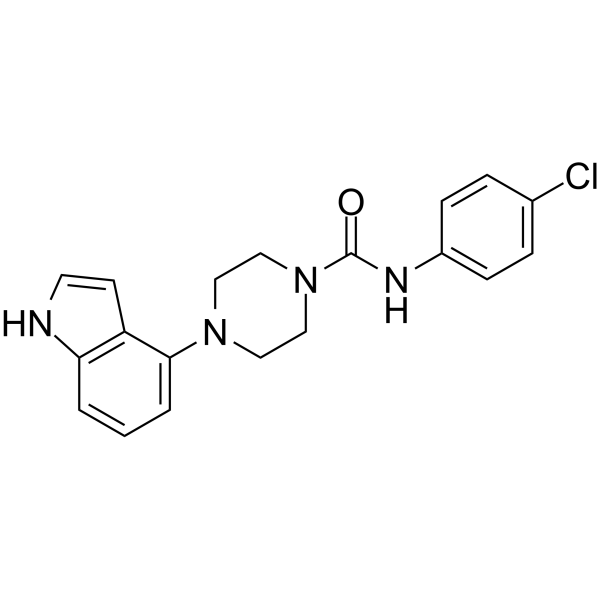
- HY-170764
-
|
|
YAP
|
Cancer
|
|
M3686 (Compound 29) is a potent, selective TEAD1 inhibitor with an IC50 value of 51 nM. M3686 also shows weaker binding activity on TEAD3. M3686 potently inhibits cell viability against YAP-dependent NCI-H226 cell line with an IC50 value of 0.06 uM. M3686 shows strong anti-tumor effects in the NCI-H226 xenograft model .
|
-

- HY-115570
-
|
GW108X
|
Kinesin
ULK
Autophagy
|
Cancer
|
|
GW406108X is a specific Kif15 (Kinesin-12) inhibitor with an IC50 of 0.82 uM in ATPase assays. GW406108X, a potent autophagy inhibitor, shows ATP competitive inhibition against ULK1 with a pIC50 of 6.37 (427 nM). GW406108X inhibits ULK1 kinase activity and blocks autophagic flux, without affecting the upstream signaling kinases mTORC1 and AMPK .
|
-

- HY-123779
-
|
|
Bacterial
Fungal
|
Infection
|
|
RWJ-49815 is a histidine kinase inhibitor (IC50 = 1.6 uM). RWJ-49815 inhibits the autophosphorylation of kinase A in the KinA-Spo0F two-component signal transduction system in vitro. RWJ-49815 inhibits the growth of bacteria such as methicillin-resistant Staphylococcus aureus, vancomycin-resistant Enterococcus faecium, and penicillin-resistant Streptococcus pneumoniae. RWJ-49815 also inhibits the growth of Fungal such as Saccharomyces cerevisiae and Candida albicans .
|
-

- HY-122611R
-
|
|
Reference Standards
Androgen Receptor
Apoptosis
|
Cancer
|
|
CSRM617 (Standard) is the analytical standard of CSRM617. This product is intended for research and analytical applications. CSRM617 is a selective small-molecule inhibitor of the transcription factor ONECUT2 (OC2, a master regulator of androgen receptor) with a Kd of 7.43 uM in SPR assays, binding to OC2-HOX domain directly. CSRM617 induces apoptosis by appearance of cleaved Caspase-3 and PARP. CSRM617 is well tolerated in the prostate cancer mouse model
|
-

- HY-N1486R
-
|
3-Ketoursolic acid (Standard)
|
Reference Standards
Apoptosis
Endogenous Metabolite
NF-κB
|
Inflammation/Immunology
Cancer
|
|
CSRM617 (Standard) is the analytical standard of CSRM617. This product is intended for research and analytical applications. CSRM617 is a selective small-molecule inhibitor of the transcription factor ONECUT2 (OC2, a master regulator of androgen receptor) with a Kd of 7.43 uM in SPR assays, binding to OC2-HOX domain directly. CSRM617 induces apoptosis by appearance of cleaved Caspase-3 and PARP. CSRM617 is well tolerated in the prostate cancer mouse model
|
-

- HY-122156
-
|
|
HIV
|
Infection
|
|
IMB-301 is a specific HIV-1 replication inhibitor that binds to hA3G (human APOBEC3G), interrupts the hA3G-Vif interaction and inhibits Vif-mediated degradation of hA3G. IMB-301 inhibits the replication of HIV-1 in H9 cells (IC50=8.63 uM). Human APOBEC3G is a restriction factor that inhibits human immunodeficiency 1 virus (HIV-1) replication .
|
-

- HY-108556
-
|
|
Protease Activated Receptor (PAR)
Apoptosis
|
Cardiovascular Disease
|
|
RWJ-56110 is a potent, selective, peptide-mimetic inhibitor of PAR-1 activation and internalization (binding IC50=0.44 uM) and shows no effect on PAR-2, PAR-3, or PAR-4. RWJ-56110 inhibits the aggregation of human platelets induced by both SFLLRN-NH2 (IC50=0.16 μM) and thrombin (IC50=0.34 μM), quite selective relative to U46619 (HY-108566). RWJ-56110 inhibits angiogenesis and blocks the formation of new vessels in vivo. RWJ-56110 induces cell apoptosis .
|
-

- HY-108556A
-
|
|
Protease Activated Receptor (PAR)
Apoptosis
|
Cardiovascular Disease
|
|
RWJ-56110 dihydrochloride is a potent, selective, peptide-mimetic inhibitor of PAR-1 activation and internalization (binding IC50=0.44 uM) and shows no effect on PAR-2, PAR-3, or PAR-4. RWJ-56110 dihydrochloride inhibits the aggregation of human platelets induced by both SFLLRN-NH2 (IC50=0.16 μM) and thrombin (IC50=0.34 μM), quite selective relative to U46619 (HY-108566). RWJ-56110 dihydrochloride blocks angiogenesis and blocks the formation of new vessels in vivo. RWJ-56110 dihydrochloride induces cell apoptosis .
|
-

- HY-173411
-
|
|
Glycosidase
SARS-CoV
|
Infection
Inflammation/Immunology
|
|
DNJ-20 is an α-glucosidase inhibitor (IC50: 55.3 μg/mL). DNJ-20 has broad-spectrum anti-SARS-CoV-2 activity. DNJ-20 inhibits the correct processing of viral glycoproteins by interfering with the endoplasmic reticulum-associated glycoprotein folding process (ERQC), thereby blocking the formation and infection of viral particles. DNJ-20 has IC50 values up to 1.49 uM against several SARS-CoV-2 variants, as well as HCoV-229E and HCoV-0C43。DNJ-20 can be used for pan-coronavirus research .
|
-

- HY-17357R
-
|
AHR 9434 (Standard); AL 6515 (Standard)
|
Reference Standards
COX
Prostaglandin Receptor
Endogenous Metabolite
|
Neurological Disease
Inflammation/Immunology
Endocrinology
Cancer
|
|
Nepafenac (AHR 9434; AL 6515) (Standard) is the analytical standard of Nepafenac (HY-17357). This product is intended for research and analytical applications. Nepafenac, a nonsteroidal anti-inflammatory agent, is a topically administered COX-2 inhibitor with an IC50 of 0.12 μM. Nepafenac exhibits only weak COX-1 inhibitory activity (IC50 = 64.3 μM). Nepafenac possesses unique prodrug properties, which enable it to rapidly convert into the active metabolite Amfenac (HY-17479) in the ocular tissues, thereby achieving high concentrations in the retina and choroid. Nepafenac reduces inflammation and pain by inhibiting the activity of cyclooxygenase (COX) enzymes and thereby decreasing the production of prostaglandin PGE₂. Nepafenac can delay the metastasis of uveal melanoma (UM) in rabbit eyes. Nepafenac is mainly used for pain management and inflammation control after ophthalmic surgeries.
|
-

- HY-N8090
-
|
|
NO Synthase
|
Inflammation/Immunology
|
|
(3β,7β,12β,20Z)-3,7,12-Trihydroxy-11,15,23-trioxo-lanost-8,20-dien-26-oic acid, a lanostane triterpenoids, exhibits obvious NO inhibitory activity on n LPS-induced BV-2 microglia cells with an IC50 of 9.55 uM. (3β,7β,12β,20Z)-3,7,12-Trihydroxy-11,15,23-trioxo-lanost-8,20-dien-26-oic acid has anti-inflammatory activities .
|
-

- HY-17357S
-
|
AHR-9434-d5; AL-6515-d5
|
Isotope-Labeled Compounds
COX
Prostaglandin Receptor
Endogenous Metabolite
|
Neurological Disease
Inflammation/Immunology
Endocrinology
Cancer
|
|
Nepafenac-d5 (AHR-9434-d5; AL-6515-d5) is the deuterium labeled Nepafenac (HY-17357). Nepafenac, a nonsteroidal anti-inflammatory agent, is a topically administered COX-2 inhibitor with an IC50 of 0.12 μM. Nepafenac exhibits only weak COX-1 inhibitory activity (IC50 = 64.3 μM). Nepafenac possesses unique prodrug properties, which enable it to rapidly convert into the active metabolite Amfenac (HY-17479) in the ocular tissues, thereby achieving high concentrations in the retina and choroid. Nepafenac reduces inflammation and pain by inhibiting the activity of cyclooxygenase (COX) enzymes and thereby decreasing the production of prostaglandin PGE₂. Nepafenac can delay the metastasis of uveal melanoma (UM) in rabbit eyes. Nepafenac is mainly used for pain management and inflammation control after ophthalmic surgeries.
|
-

- HY-115507
-
|
|
AMPK
mTOR
ERK
Oxidative Phosphorylation
Reactive Oxygen Species (ROS)
Ras
|
Cancer
|
|
NMac1 is an orally active Nm23/NDPK activator. NMac1 directly binds to Nm23-H1 and activates the NDPK activity of recombinant Nm23-H1 with an EC50 of 10.7 uM. NMac1 induces AMPK activation and inhibits mTOR and ERK, leading to mitochondrial OXPHOS dysregulation and suppressing mitochondrial ROS production, which in turn induces mitochondrial dysfunction in MDA-MB-231 cells. NMac1 inhibits Complex I activity and suppresses changes in morphology and actin cytoskeleton organization following Rac1 activation in MDA-MB-231 cells. NMac1 inhibits tumor invasion, migration and metastasis. NMac1 is useful for studying metastatic tumors, such as breast cancer. NMac1 can be isolated from the ginger cassumunar Roxb .
|
-

| Cat. No. |
Product Name |
Type |
-
- HY-129042
-
|
|
Fluorescent Dye
|
|
Cibacron Blue 3G-A is an anthraquinone dye, inhibits the R46 β-lactamase with a Ki value of 1.2 uM .
|
-
- HY-D2401F1
-
|
|
Fluorescent Dye
|
|
Cy5-Polystyrene microsphere (20um) is a Cy5 (HY-D0821)-labeled microsphere that can be used for bioimaging and drug delivery .
|
| Cat. No. |
Product Name |
Target |
Research Area |
-
- HY-P5563
-
|
|
Bacterial
|
Infection
|
|
PP113 is an antimicrobial peptide is active against Gram-negative and Gram-positive bacteria, E.coli (MIC: 73.3 uM), B. subtilis (MIC: 23.3 uM), S. aureus (MIC: 13 uM), S. lutea (MIC: 16.7 uM), and B. pumilu (MIC: 23.3 uM) .
|
-
- HY-P5562
-
|
|
Bacterial
|
Infection
|
|
PP102 is an antimicrobial peptide is active against gram-positive B. subtilis (MIC: 25 uM), S. aureus (MIC: 13.3 uM), S. lutea (MIC: 63 uM), and B. pumilu (MIC: 23 uM) .
|
-
- HY-P5560
-
|
|
Bacterial
|
Infection
|
|
PP13 is an antimicrobial peptide, and is active against Gram-negative and Gram-positive bacteria E.coli (MIC: 16.7 uM), B. subtilis (MIC: 13.3 uM), S. aureus (MIC: 23.3 uM), S. lutea (MIC: 8.0 uM), and B. pumilu (MIC: 9.0 uM) .
|
-
- HY-132604
-
|
ARO-AAT
|
Small Interfering RNA (siRNA)
|
Metabolic Disease
|
|
Fazirsiran (ARO-AAT) is a second-generation RNAi agent. Fazirsiran consistes of a cholesterol-conjugated RNAi trigger (chol-RNAi) to selectively degrade Alpha1-antitrypsin (AAT) mRNA by RNAi and a melittin-derived peptide conjugated to N-acetylgalactosamine (NAG) formulated as the excipient EX1 to promote endosomal escape of the chol-RNAi in hepatocytes . Fazirsiran can be used in the study of Alpha-1 Antitrypsin Deficiency (AATD) liver disease.
|
| Cat. No. |
Product Name |
Target |
Research Area |
-
- HY-P9950
-
|
OlizUMab; rhUMab-E25; IGE25; RG-3648
|
Interleukin Related
|
Inflammation/Immunology
Cancer
|
|
Omalizumab is a recombinant, humanized, monoclonal antibody against human immunoglobulin E (IgE) with a KD of 0.393 nM. Omalizumab binds to the human FcγRIIb receptors with a KD of 6.37 uM. Omalizumab has the potential for persistent allergic asthma research . The component ratio of this product is Active ingredient : Excipients = 1:1.3-1:1.5.
|
| Cat. No. |
Product Name |
Category |
Target |
Chemical Structure |
-
- HY-139569
-
-
-
- HY-N8090
-
|
|
Triterpenes
Microorganisms
Classification of Application Fields
Terpenoids
Source classification
Inflammation/Immunology
Disease Research Fields
|
NO Synthase
|
|
(3β,7β,12β,20Z)-3,7,12-Trihydroxy-11,15,23-trioxo-lanost-8,20-dien-26-oic acid, a lanostane triterpenoids, exhibits obvious NO inhibitory activity on n LPS-induced BV-2 microglia cells with an IC50 of 9.55 uM. (3β,7β,12β,20Z)-3,7,12-Trihydroxy-11,15,23-trioxo-lanost-8,20-dien-26-oic acid has anti-inflammatory activities .
|
-
-
- HY-139569A
-
-
-
- HY-N1486R
-
-
| Cat. No. |
Product Name |
Chemical Structure |
-
- HY-17357S
-
|
|
|
Nepafenac-d5 (AHR-9434-d5; AL-6515-d5) is the deuterium labeled Nepafenac (HY-17357). Nepafenac, a nonsteroidal anti-inflammatory agent, is a topically administered COX-2 inhibitor with an IC50 of 0.12 μM. Nepafenac exhibits only weak COX-1 inhibitory activity (IC50 = 64.3 μM). Nepafenac possesses unique prodrug properties, which enable it to rapidly convert into the active metabolite Amfenac (HY-17479) in the ocular tissues, thereby achieving high concentrations in the retina and choroid. Nepafenac reduces inflammation and pain by inhibiting the activity of cyclooxygenase (COX) enzymes and thereby decreasing the production of prostaglandin PGE₂. Nepafenac can delay the metastasis of uveal melanoma (UM) in rabbit eyes. Nepafenac is mainly used for pain management and inflammation control after ophthalmic surgeries.
|
-
-
- HY-21268S
-
|
|
|
Methyl linolenate- 13C18 is the 13C labeled Methyl linolenate[1]. Methyl linolenate is a polyunsaturated fattly acid (PUFA). It is used in studies on the mechanisms and prevention of oxidation/peroxidation of unsaturated fatty acids[2][3]. The IC50 is 60 uM[4].
|
-
| Cat. No. |
Product Name |
|
Classification |
-
- HY-145720
-
|
ALN-CC5
|
|
siRNAs
siRNA drugs
|
|
Cemdisiran is an N-acetylgalactosamine (GalNAc) conjugated siRNA for the research of complement-mediated diseases by suppressing liver production of complement 5 (C5) protein.
|
-
- HY-132613
-
|
|
|
siRNAs
siRNA drugs
|
|
Lumasiran sodium, an investigational RNA interference (RNAi) therapeutic agent, reduces hepatic oxalate production by targeting glycolate oxidase. Lumasiran sodium reduces urinary oxalate excretion, the cause of progressive kidney failure in primary hyperoxaluria type 1 (PH1) .
|
-
- HY-132588
-
|
ALN-G01
|
|
siRNAs
siRNA drugs
|
|
Lumasiran (ALN-G01), a siRNA product, reduces hepatic oxalate production by targeting glycolate oxidase. By silencing the gene encoding glycolate oxidase, Lumasiran depletes glycolate oxidase and thereby inhibits the synthesis of oxalate, which is the toxic metabolite that is directly associated with the clinical manifestations of Primary hyperoxaluria type 1 (PH1) .
|
-
- HY-145724
-
|
Kyndrisa; GSK2402968A; PRO051
|
|
Antisense Oligonucleotides
|
|
Drisapersen, a antisense oligonucleotide, induces exon 51 skipping during dystrophin pre-mRNA splicing and allows synthesis of partially functional dystrophin in Duchenne muscular dystrophy (DMD) patients with amenable mutations.
|
-
- HY-132609
-
|
|
|
siRNAs
siRNA drugs
|
|
Patisiran sodium is a double-stranded small interfering RNA that targets a sequence within the transthyretin (TTR) messenger RNA. Patisiran sodium specifically inhibits hepatic synthesis of mutant and wild-type TTR. Patisiran sodium can be used for the research of hereditary TTR amyloidosis .
|
-
- HY-132589
-
|
ALN-TTRsc02
|
|
siRNAs
siRNA drugs
|
|
Vutrisiran (ALN-TTRsc02) is a liver-directed, investigational, small interfering ribonucleic acid (siRNA) agent. Vutrisiran can be used for transthyretin (TTR)-mediated amyloidosis research .
|
-
- HY-132591
-
Inclisiran
Maximum Cited Publications
6 Publications Verification
ALN-PCSsc
|
|
siRNAs
siRNA drugs
|
|
Inclisiran is a double-stranded small interfering RNA (siRNA) molecule. Inclisiran inhibits the transcription of PCSK9. Inclisiran inhibits Pyroptosis, activates PPARγ, and reduces NLRP3, cleaved caspase-1, IL-1β, and IL-18. Inclisiran has anti-inflammatory, lipid-regulating and anti-atherosclerotic activities. Inclisiran can be used in researches of hyperlipidemia and cardiovascular disease (CVD) .
|
-
- HY-132595
-
|
QPI-1002
|
|
siRNAs
siRNA drugs
|
|
Teprasiran (QPI-1002) is a small interfering RNA that temporarily inhibits p53-mediated cell death that underlies acute kidney injury (AKI) .
|
-
- HY-132604
-
|
ARO-AAT
|
|
siRNAs
siRNA drugs
|
|
Fazirsiran (ARO-AAT) is a second-generation RNAi agent. Fazirsiran consistes of a cholesterol-conjugated RNAi trigger (chol-RNAi) to selectively degrade Alpha1-antitrypsin (AAT) mRNA by RNAi and a melittin-derived peptide conjugated to N-acetylgalactosamine (NAG) formulated as the excipient EX1 to promote endosomal escape of the chol-RNAi in hepatocytes . Fazirsiran can be used in the study of Alpha-1 Antitrypsin Deficiency (AATD) liver disease.
|
-
- HY-147079
-
|
ARC 1779
|
|
Aptamers
|
|
Egaptivon pegol (ARC1779) is an aptamer, which blocks binding of the von Willebrand Factor (VWF) to platelet GPIb receptors. Egaptivon pegol has anti-thrombotic efficacy.
|
-
- HY-132610
-
|
ALN-AS1
|
|
siRNAs
siRNA drugs
|
|
Givosiran (ALN-AS1) is a small interfering RNA that targets hepatic aminolevulinate synthase 1 (ALAS1) messenger RNA. Givosiran downregulates ALAS1 mRNA and prevents accumulation of neurotoxic δ-aminolevulinic acid (ALA) and porphobilinogen (PBG) levels. Givosiran demonstrates potent inhibitory activity against ALAS1 in mouse, rat, and cynomolgus monkey models. Givosiran can be used for the research of acute hepatic porphyria (AHP) .
|
-
- HY-132602
-
|
MRG-201
|
|
MicroRNAs
|
|
Remlarsen (MRG-201), a miR-29b mimic, acts a miR-29b agonist. Remlarsen has the potential for preventiong formation of a fibrotic scar or cutaneous fibrosis .
|
-
- HY-132587
-
|
ALN-AT3SC; SAR439774
|
|
siRNAs
siRNA drugs
|
|
Fitusiran (ALN-AT3SC), an small interfering RNA, specifically targets antithrombin (AT) messenger RNA to lower production of AT in the liver. Fitusiran increases thrombin generation and has the potential for the research of the hemophilia .
|
-
- HY-147412
-
|
QR-421a
|
|
Antisense Oligonucleotides
|
|
Ultevursen (QR-421a) is a single-stranded RNA based oligonucleotide that is designed to skip exon 13 in the RNA with the aim to stop vision loss in people that have retinitis pigmentosa due to a mutation in exon 13 of the USH2A gene (encoding usherin). Ultevursen sequence: (P-thio)[2′-O-(2-methoxyethyl)](A-G-m 5C-m 5U-m 5U-m 5C-G-G-A-G-A-A-A-m 5U-m 5U-m 5U-A-A-A-m 5U-m 5C) .
|
-
- HY-RS17051
-
|
|
|
siRNAs
Mouse Pre-designed siRNA Sets
|
|
Cdh1 Mouse Pre-designed siRNA Set A contains three designed siRNAs for Cdh1 gene (Mouse), as well as a negative control, a positive control, and a FAM-labeled negative control.
|
-
- HY-147425
-
|
SLN360
|
|
siRNAs
siRNA drugs
|
|
Zerlasiran is an apolipoprotein A (ApoA) synthesis reducer .
|
-
- HY-147278
-
|
Divesiran
|
|
siRNAs
siRNA drugs
|
|
Manusiran (SLN124), a GalNAc conjugated 19-mer siRNA targeting TMPRSS6 (transmembrane protease serine 6), reduces plasma iron and increases hepcidin levels of healthy volunteers [1][2].
|
Your information is safe with us. * Required Fields.
Inquiry Information
- Product Name:
- Cat. No.:
- Quantity:
- MCE Japan Authorized Agent: